
Pick a language and start learning!






Modals in Present Tense Exercises in German language

Modals in present tense play a crucial role in the German language, adding nuance and flexibility to sentences. These auxiliary verbs—such as "können" (can), "müssen" (must), "wollen" (want), "dürfen" (may), "sollen" (should), and "mögen" (like)—allow speakers to express abilities, obligations, desires, permissions, and preferences. Mastering their usage not only enhances your fluency but also improves your ability to communicate more precisely and effectively in various contexts. Understanding how to correctly conjugate and incorporate these modals into everyday conversation is essential for any German language learner.
In this section, we provide comprehensive grammar exercises designed to reinforce your understanding of modals in the present tense. Each exercise focuses on different aspects of modal verbs, from basic conjugation to more complex sentence structures. By practicing these exercises, you will gain confidence in using modals to express a wide range of meanings and intentions. Whether you're a beginner or looking to refine your skills, these exercises will help you build a solid foundation in this important area of German grammar.
Exercise 1
<p>1. Ich *muss* heute lange arbeiten (modal verb for necessity).</p>
<p>2. Wir *können* am Wochenende ins Kino gehen (modal verb for ability).</p>
<p>3. Du *darfst* hier nicht rauchen (modal verb for permission).</p>
<p>4. Er *soll* mehr Wasser trinken (modal verb for advice).</p>
<p>5. Sie *möchte* ein neues Auto kaufen (modal verb for desire).</p>
<p>6. Ihr *müsst* eure Hausaufgaben machen (modal verb for obligation).</p>
<p>7. Ich *kann* Spanisch sprechen (modal verb for capability).</p>
<p>8. Sie *dürfen* heute früher gehen (modal verb for allowance).</p>
<p>9. Wir *sollen* die Umwelt schützen (modal verb for recommendation).</p>
<p>10. Er *will* Arzt werden (modal verb for intention).</p>
Exercise 2
<p>1. Ich *muss* jeden Tag früh aufstehen (necessity).</p>
<p>2. Wir *können* heute Abend ins Kino gehen (ability).</p>
<p>3. Er *darf* nicht so spät nach Hause kommen (permission).</p>
<p>4. Sie *sollen* mehr Gemüse essen (advice).</p>
<p>5. Ihr *wollt* morgen Fußball spielen (desire).</p>
<p>6. Kannst du mir *helfen*? (ability to assist).</p>
<p>7. Wir *möchten* dieses Jahr nach Italien reisen (wish).</p>
<p>8. Er *muss* seine Hausaufgaben machen (obligation).</p>
<p>9. Ich *kann* nicht so gut singen (ability).</p>
<p>10. Sie *darf* ihren Hund in den Park mitbringen (permission).</p>
Exercise 3
<p>1. Er *muss* jeden Morgen um sechs Uhr aufstehen (modal verb for "must").</p>
<p>2. Wir *können* heute ins Kino gehen (modal verb for "can").</p>
<p>3. Du *darfst* das nicht tun (modal verb for "allowed to").</p>
<p>4. Sie *möchte* eine Tasse Kaffee (modal verb for "want").</p>
<p>5. Ihr *sollt* eure Hausaufgaben machen (modal verb for "should").</p>
<p>6. Ich *kann* nicht schwimmen (modal verb for "can").</p>
<p>7. Er *will* Arzt werden (modal verb for "want to").</p>
<p>8. Wir *müssen* heute viel arbeiten (modal verb for "must").</p>
<p>9. Du *sollst* mehr Gemüse essen (modal verb for "should").</p>
<p>10. Sie *dürfen* hier nicht parken (modal verb for "allowed to").</p>
Learn a Language 5x Faster with AI
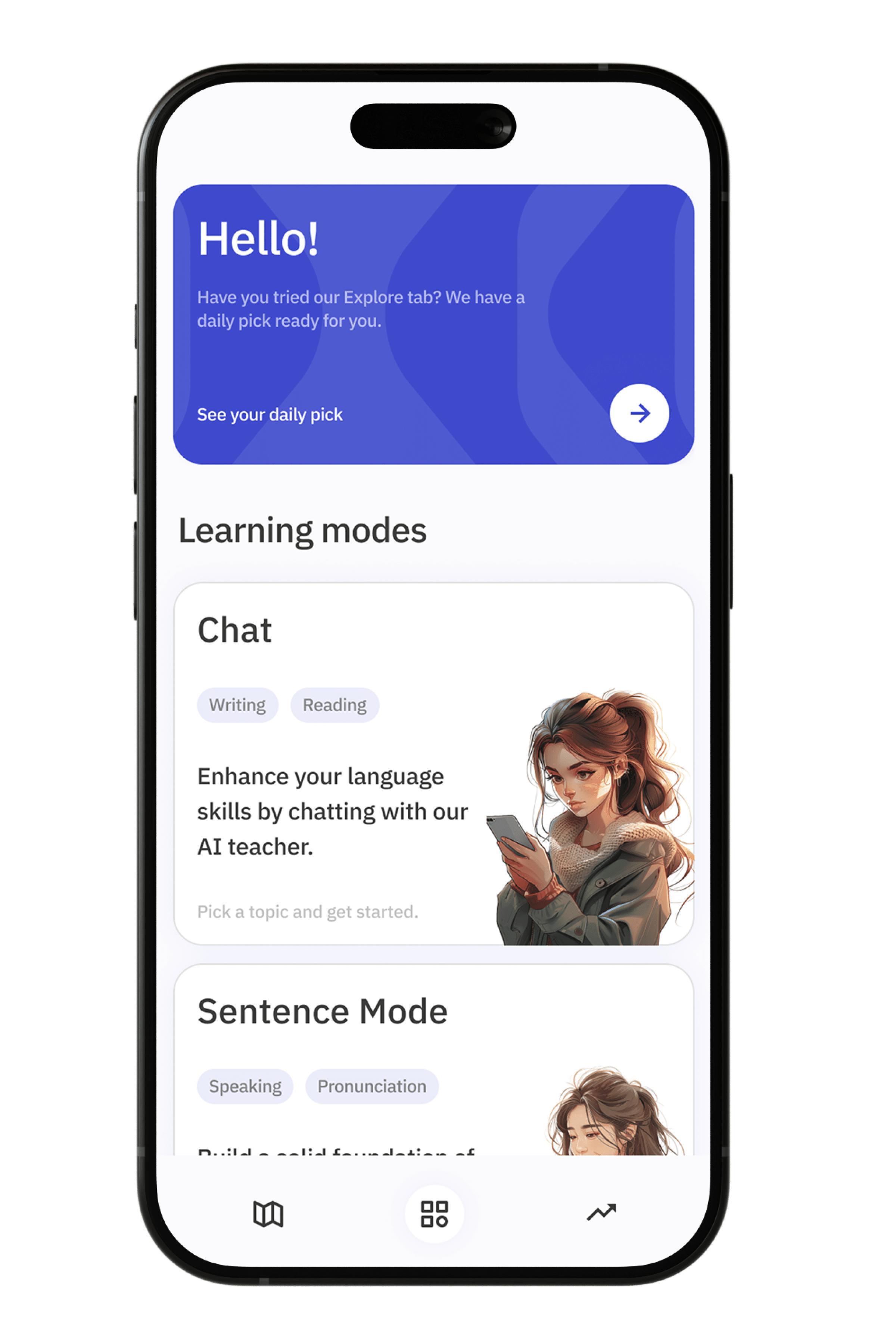
Talkpal is AI-powered language tutor. Master 50+ languages with personalized lessons and cutting-edge technology.