
Pick a language and start learning!






Present tense of -re verbs Exercises in French language

Mastering the present tense of -re verbs in French is essential for anyone looking to achieve fluency in the language. Unlike the more common -er and -ir verbs, -re verbs present unique conjugation patterns that can initially seem challenging. However, with consistent practice and a clear understanding of the rules, you can confidently use these verbs in everyday conversation. This guide is designed to break down the conjugation process step-by-step, providing ample exercises to reinforce your learning and ensure that you can effortlessly incorporate -re verbs into your spoken and written French.
In French, regular -re verbs follow a specific pattern in the present tense, which involves removing the -re ending and adding the appropriate endings for each subject pronoun. For instance, the verb "attendre" (to wait) becomes "j'attends" (I wait), "tu attends" (you wait), "il/elle/on attend" (he/she/one waits), "nous attendons" (we wait), "vous attendez" (you wait), and "ils/elles attendent" (they wait). However, some -re verbs are irregular and do not follow this standard pattern, requiring additional attention and practice. Through a series of targeted exercises, this page will help you navigate both regular and irregular -re verbs, building your confidence and proficiency in using them correctly.
Exercise 1
<p>1. Tu *vends* des légumes au marché (to sell).</p>
<p>2. Nous *attendons* le bus depuis dix minutes (to wait).</p>
<p>3. Ils *entendent* de la musique forte dans la rue (to hear).</p>
<p>4. Elle *rend* ses livres à la bibliothèque (to return).</p>
<p>5. Vous *répondez* toujours aux questions en classe (to answer).</p>
<p>6. Je *descends* les escaliers rapidement (to go down).</p>
<p>7. On *défend* les droits des animaux (to defend).</p>
<p>8. Ils *perdent* souvent leurs clés (to lose).</p>
<p>9. Nous *fendons* du bois pour l'hiver (to split).</p>
<p>10. Tu *corresponds* avec ton ami par courrier (to correspond).</p>
Exercise 2
<p>1. Nous *attendons* le bus chaque matin (verb for waiting).</p>
<p>2. Ils *vendent* des fruits au marché (verb for selling).</p>
<p>3. Je *réponds* toujours aux questions du professeur (verb for replying).</p>
<p>4. Vous *perdez* souvent vos clés (verb for losing).</p>
<p>5. Elle *entend* un bruit étrange dans la nuit (verb for hearing).</p>
<p>6. Nous *rendons* visite à nos grands-parents le dimanche (verb for visiting).</p>
<p>7. Tu *descends* les escaliers rapidement (verb for going down).</p>
<p>8. Les enfants *défendent* leur ami contre les moqueries (verb for defending).</p>
<p>9. Je *mords* dans une pomme juteuse (verb for biting).</p>
<p>10. Vous *attendez* votre tour patiemment (verb for waiting).</p>
Exercise 3
<p>1. Nous *attendons* le bus chaque matin (to wait).</p>
<p>2. Ils *vendent* des légumes au marché (to sell).</p>
<p>3. Tu *entends* ce bruit bizarre ? (to hear).</p>
<p>4. Elle *perd* souvent ses clés (to lose).</p>
<p>5. Je *réponds* toujours aux emails rapidement (to respond).</p>
<p>6. Vous *prétendez* ne rien savoir (to pretend).</p>
<p>7. Marc *rend* ses livres à la bibliothèque (to return).</p>
<p>8. Marie *défend* ses idées avec passion (to defend).</p>
<p>9. Nous *descendons* les escaliers prudemment (to go down).</p>
<p>10. Ils *entendent* la cloche de l'église (to hear).</p>
Learn a Language 5x Faster with AI
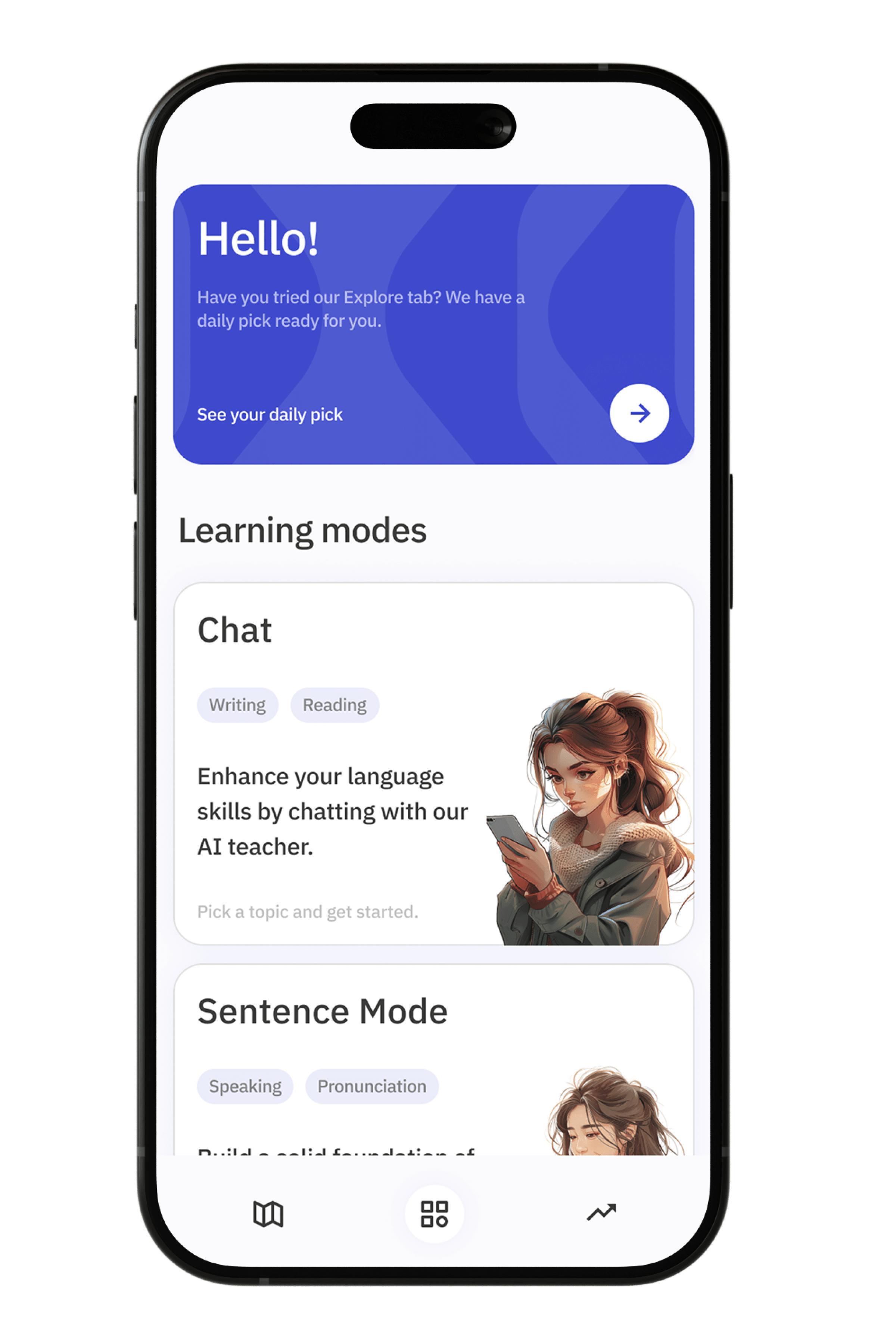
Talkpal is AI-powered language tutor. Master 50+ languages with personalized lessons and cutting-edge technology.