
Pick a language and start learning!






Articles with body parts Exercises in French language

Mastering the use of articles in French, especially when referring to body parts, can be a challenging yet essential aspect of achieving fluency. Unlike English, where the definite article "the" remains unchanged, French requires the use of gender-specific articles "le" (masculine) and "la" (feminine), along with their plural form "les." Additionally, body parts often require the definite article in contexts where English might use possessive adjectives, such as "my" or "your." For instance, "my hand" becomes "la main" in French, literally translating to "the hand." Understanding these nuances can significantly enhance your ability to communicate clearly and accurately in French.
In this section, you will find a variety of exercises designed to help you practice and perfect your use of articles with body parts. These activities will range from simple fill-in-the-blank sentences to more complex tasks involving full sentence construction and context-based questions. By engaging with these exercises, you will not only reinforce your knowledge of French articles but also improve your overall proficiency in describing physical attributes and health-related scenarios. Whether you're a beginner or looking to refine your skills, these exercises will provide valuable practice to boost your confidence in using French articles correctly.
Exercise 1
<p>1. Je me suis cassé *le* bras (definite article for singular masculine body part).</p>
<p>2. Elle a mal à *la* tête (definite article for singular feminine body part).</p>
<p>3. Nous devons protéger *nos* yeux du soleil (possessive article for plural body part).</p>
<p>4. Il se brosse *les* dents tous les matins (definite article for plural body part).</p>
<p>5. Tu t'es coupé *le* doigt avec le couteau (definite article for singular masculine body part).</p>
<p>6. Elles se lavent *les* cheveux tous les jours (definite article for plural body part).</p>
<p>7. Je me suis fait mal à *la* cheville en courant (definite article for singular feminine body part).</p>
<p>8. Il a une cicatrice sur *le* front (definite article for singular masculine body part).</p>
<p>9. Elle a mis *la* crème sur sa main (definite article for singular feminine body part).</p>
<p>10. Nous avons peint *les* ongles en rouge (definite article for plural body part).</p>
Exercise 2
<p>1. Il a mal à *la* jambe (feminine body part).</p>
<p>2. Elle se brosse *les* dents chaque matin (plural body part).</p>
<p>3. Il porte une bague à *la* main gauche (feminine body part).</p>
<p>4. Ils ont décidé de tatouer *le* bras (masculine body part).</p>
<p>5. Elle a les cheveux courts, mais *les* yeux grands (plural body part).</p>
<p>6. L'enfant a mis un pansement sur *le* genou (masculine body part).</p>
<p>7. Ils se sont serré *la* main pour se saluer (feminine body part).</p>
<p>8. Après avoir couru, il avait *le* cœur qui battait vite (masculine body part).</p>
<p>9. Elle a mis des boucles d'oreilles à *les* oreilles (plural body part).</p>
<p>10. Le bébé a attrapé *le* doigt de sa mère (masculine body part).</p>
Exercise 3
<p>1. Elle a mal à *la* tête (definite article for a singular feminine noun).</p>
<p>2. Il se brosse *les* dents chaque matin (definite article for a plural noun).</p>
<p>3. Nous avons levé *les* bras pour saluer (definite article for a plural noun).</p>
<p>4. Elle a mis un bandage sur *le* genou blessé (definite article for a singular masculine noun).</p>
<p>5. Les enfants ont froid aux *mains* en hiver (definite article for a plural noun).</p>
<p>6. Il se gratte *le* nez souvent (definite article for a singular masculine noun).</p>
<p>7. Tu as de jolis bracelets sur *les* poignets (definite article for a plural noun).</p>
<p>8. Elle a des cernes sous *les* yeux (definite article for a plural noun).</p>
<p>9. Il a une douleur dans *le* dos (definite article for a singular masculine noun).</p>
<p>10. Les athlètes étirent *les* jambes après l'entraînement (definite article for a plural noun).</p>
Learn a Language 5x Faster with AI
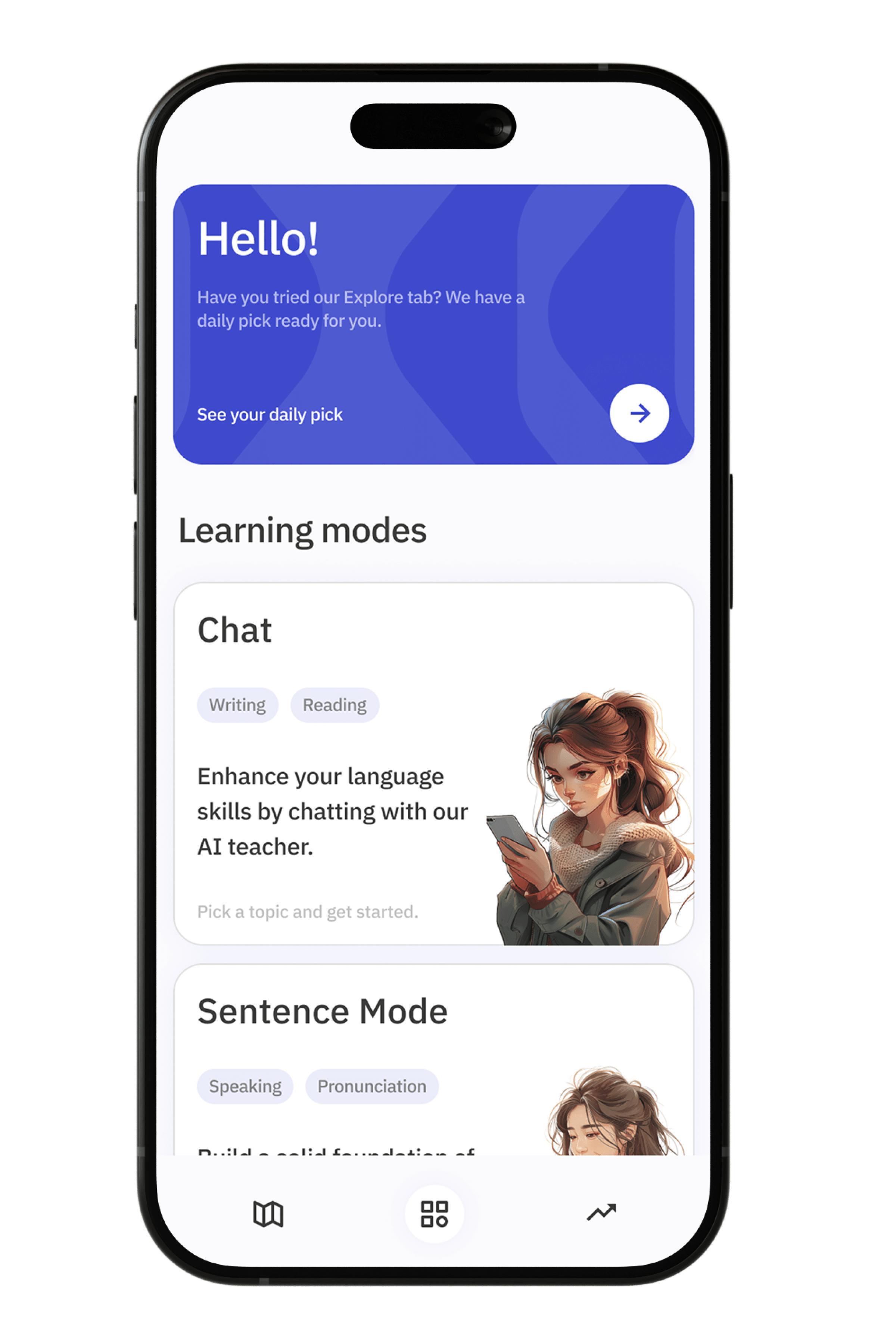
Talkpal is AI-powered language tutor. Master 50+ languages with personalized lessons and cutting-edge technology.