
Pick a language and start learning!






Past participles used as adjectives Exercises in Spanish language

Understanding how past participles function as adjectives in Spanish can significantly enhance your language skills, offering a nuanced way to describe nouns with precision and clarity. In Spanish, just like in English, past participles can be used adjectivally to convey the state or condition resulting from an action. For instance, "cansado" (tired) and "cerrado" (closed) are both past participles that describe the state of being tired or closed, respectively. By mastering this usage, you can create more dynamic and expressive sentences, bringing your descriptions to life with subtle shades of meaning.
In these grammar exercises, we will delve into the formation and application of past participles as adjectives in Spanish. You'll learn how to properly conjugate verbs into their past participle forms and then use those forms to modify nouns, agreeing in gender and number. Through a series of targeted practice activities, you'll gain confidence in identifying and employing past participles as adjectives, enriching your vocabulary and enhancing your grammatical accuracy. Whether you're a beginner looking to build a solid foundation or an advanced learner aiming to refine your skills, these exercises are designed to support your journey toward fluency in Spanish.
Exercise 1
<p>1. La puerta está *cerrada* (verb for closing).</p>
<p>2. El libro fue *escrito* por un famoso autor (verb for writing).</p>
<p>3. La cena ya está *preparada* (verb for preparing).</p>
<p>4. Las ventanas estaban *abiertas* para que entrara el aire fresco (verb for opening).</p>
<p>5. El niño estaba *cansado* después de jugar todo el día (verb for tiring).</p>
<p>6. La carta fue *enviada* ayer (verb for sending).</p>
<p>7. La película ha sido *vista* por millones de personas (verb for seeing).</p>
<p>8. La tarea fue *completada* a tiempo (verb for completing).</p>
<p>9. La casa está *pintada* de azul (verb for painting).</p>
<p>10. El coche está *arreglado* después de la avería (verb for fixing).</p>
Exercise 2
<p>1. La ventana está *rota* por el viento fuerte (broken).</p>
<p>2. El libro fue *escrito* por un autor famoso (written).</p>
<p>3. Las cartas están *enviadas* a sus destinatarios (sent).</p>
<p>4. La comida ya está *preparada* para la fiesta (prepared).</p>
<p>5. Los documentos están *firmados* por el director (signed).</p>
<p>6. La casa fue *construida* hace diez años (built).</p>
<p>7. Los niños están *cansados* después de jugar todo el día (tired).</p>
<p>8. Las flores están *marchitas* por el calor (wilted).</p>
<p>9. El coche está *reparado* y listo para usar (repaired).</p>
<p>10. El cuadro fue *pintado* por un artista local (painted).</p>
Exercise 3
<p>1. La ventana está *rota* por el viento (past participle of "romper").</p>
<p>2. La carta fue *escrita* por mi hermana (past participle of "escribir").</p>
<p>3. La cena está *preparada* por mi madre (past participle of "preparar").</p>
<p>4. El libro fue *leído* por todos los estudiantes (past participle of "leer").</p>
<p>5. Las fotos fueron *tomadas* en nuestras vacaciones (past participle of "tomar").</p>
<p>6. El coche está *lavado* y listo para el viaje (past participle of "lavar").</p>
<p>7. La tarea está *hecha* antes de la clase (past participle of "hacer").</p>
<p>8. La puerta está *cerrada* con llave (past participle of "cerrar").</p>
<p>9. El perro está *perdido* desde ayer (past participle of "perder").</p>
<p>10. El proyecto fue *terminado* a tiempo (past participle of "terminar").</p>
Learn a Language 5x Faster with AI
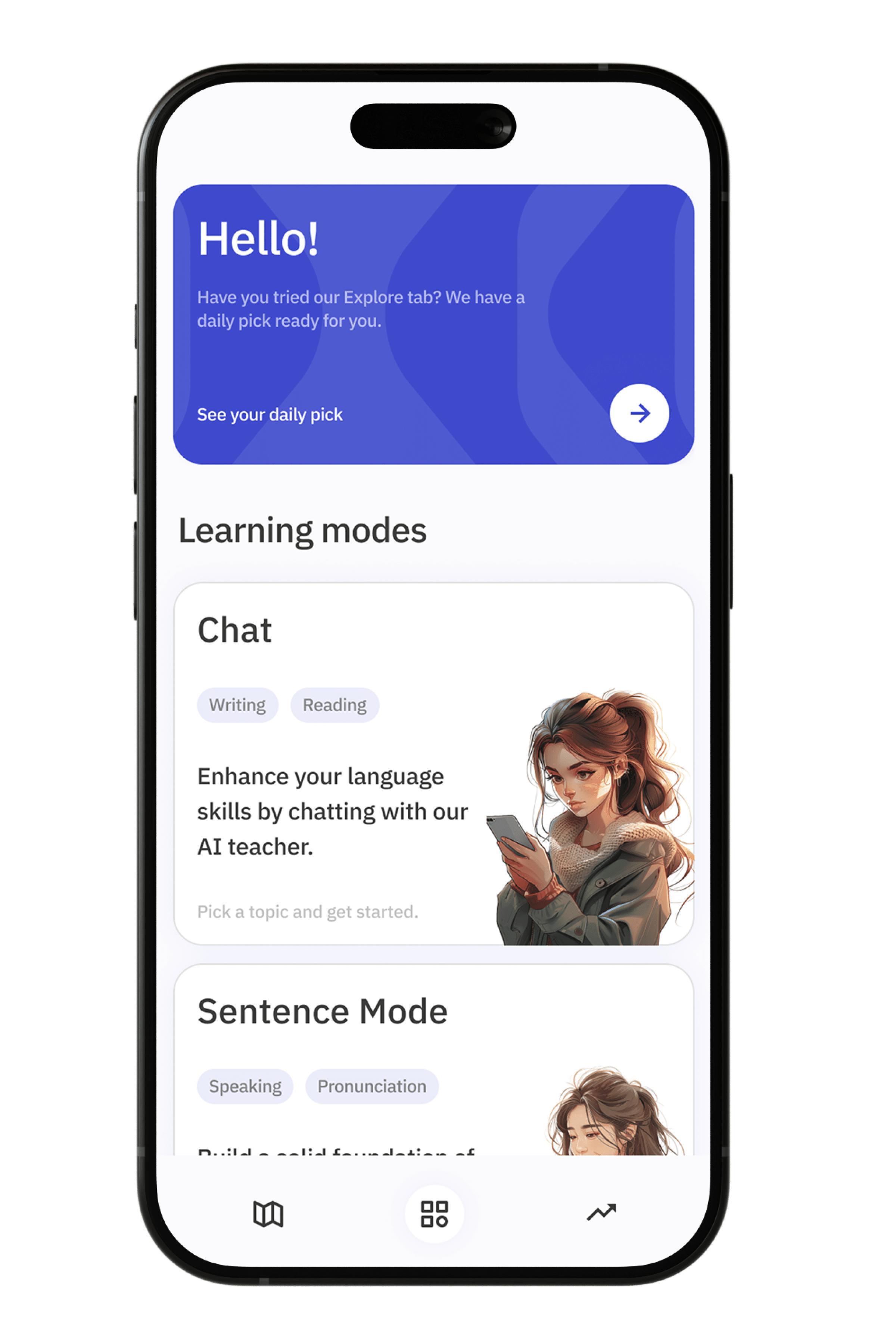
Talkpal is AI-powered language tutor. Master 50+ languages with personalized lessons and cutting-edge technology.