
Pick a language and start learning!






Adjective placement Exercises in Spanish language

Understanding the correct placement of adjectives in Spanish is crucial for mastering the language. Unlike English, where adjectives typically precede nouns, Spanish adjectives can appear either before or after the nouns they modify, depending on the intended meaning and emphasis. This placement not only affects the grammatical correctness of a sentence but also its nuance and tone. Learning the rules and exceptions for adjective placement will enhance your ability to communicate more precisely and effectively in Spanish.
In Spanish, adjectives that describe inherent characteristics usually come before the noun, while those that describe specific details often follow it. For example, "una buena idea" (a good idea) versus "una idea buena" (an idea that is good). Additionally, some adjectives can change meaning depending on their position; "pobre hombre" (unfortunate man) differs significantly from "hombre pobre" (poor man). Through targeted grammar exercises, you will practice these distinctions and develop a more intuitive grasp of adjective placement, thereby enriching your Spanish vocabulary and fluency.
Exercise 1
<p>1. Tengo un *hermoso* jardín (adjective meaning "beautiful").</p>
<p>2. Ella tiene un vestido *rojo* para la fiesta (adjective meaning "red").</p>
<p>3. Compré una casa *grande* en el campo (adjective meaning "big").</p>
<p>4. El *nuevo* coche es muy rápido (adjective meaning "new").</p>
<p>5. Es un *viejo* amigo de la escuela (adjective meaning "old").</p>
<p>6. El perro *pequeño* es muy travieso (adjective meaning "small").</p>
<p>7. La película *interesante* fue muy popular (adjective meaning "interesting").</p>
<p>8. Me gusta el *verde* paisaje de la montaña (adjective meaning "green").</p>
<p>9. Vivimos en una ciudad *moderna* (adjective meaning "modern").</p>
<p>10. Prefiero el *frío* clima del invierno (adjective meaning "cold").</p>
Exercise 2
<p>1. La casa *grande* está en la esquina (size).</p>
<p>2. El coche *rojo* es muy rápido (color).</p>
<p>3. Compré una *bonita* blusa en la tienda (appearance).</p>
<p>4. Los niños *felices* juegan en el parque (emotion).</p>
<p>5. Ella tiene un *nuevo* trabajo en la ciudad (recency).</p>
<p>6. El gato *negro* duerme en el sofá (color).</p>
<p>7. La película *interesante* empieza a las ocho (quality).</p>
<p>8. Mi abuela me regaló un *hermoso* collar (appearance).</p>
<p>9. La profesora *inteligente* explicó la lección (intellect).</p>
<p>10. Prefiero la camisa *azul* sobre la verde (color).</p>
Exercise 3
<p>1. Tengo un coche *rojo* (color).</p>
<p>2. Compramos una casa *grande* (size).</p>
<p>3. Ella lleva un vestido *bonito* (appearance).</p>
<p>4. El perro *negro* es muy amistoso (color).</p>
<p>5. Prefiero un libro *interesante* (quality).</p>
<p>6. La película es *aburrida* (feeling).</p>
<p>7. Necesitamos una mesa *redonda* (shape).</p>
<p>8. El niño tiene una pelota *pequeña* (size).</p>
<p>9. Busco un hotel *cómodo* (comfort).</p>
<p>10. La playa tiene arena *blanca* (color).</p>
Learn a Language 5x Faster with AI
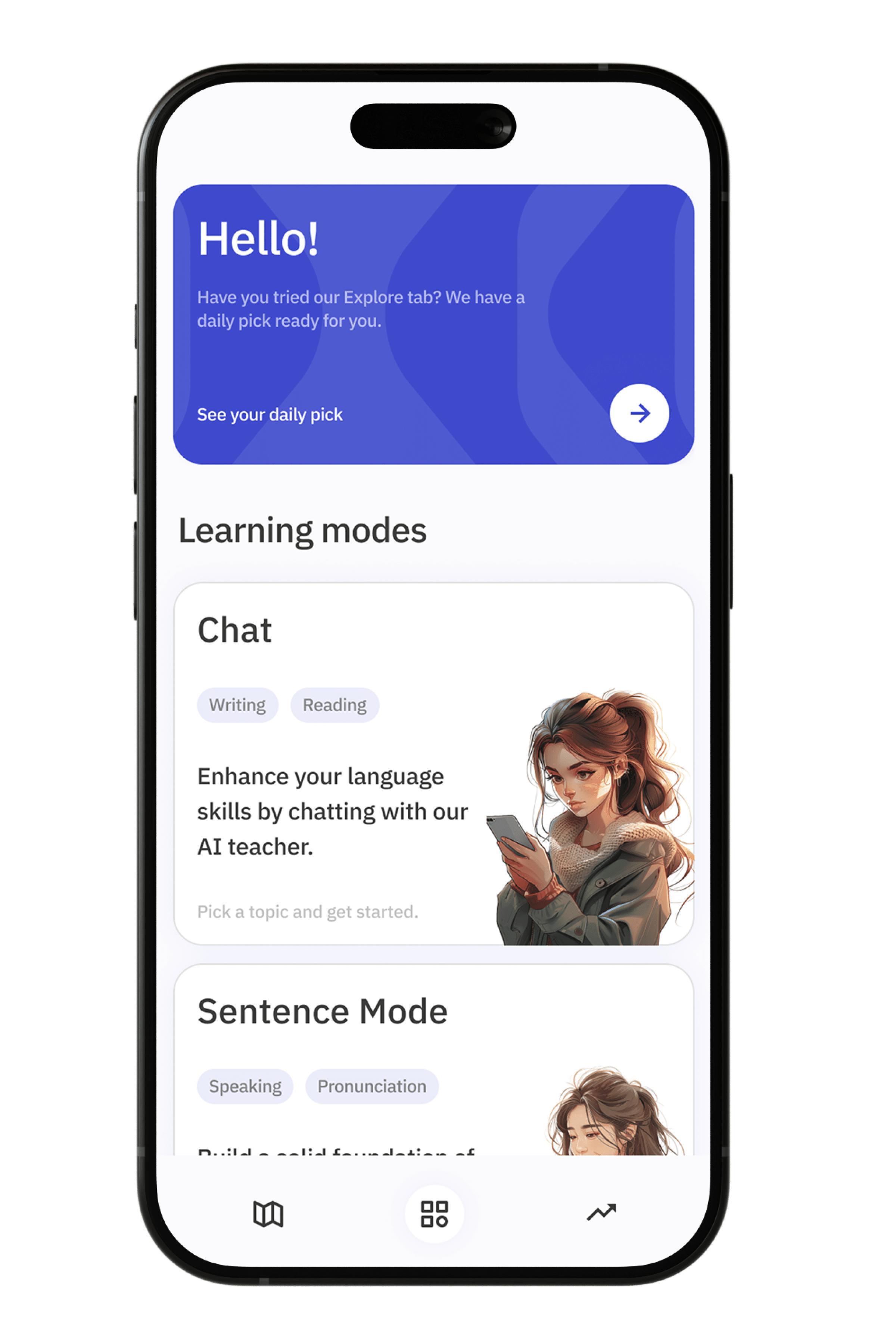
Talkpal is AI-powered language tutor. Master 50+ languages with personalized lessons and cutting-edge technology.