
Pick a language and start learning!






Adverbs of place Exercises in Spanish language

Adverbs of place are an essential component of the Spanish language, providing crucial information about the location or direction of actions. These adverbs can help you convey where something happens or where someone is, enriching your sentences with precise and vivid descriptions. Understanding and using adverbs of place correctly can dramatically improve your Spanish fluency and comprehension, allowing you to communicate more effectively in everyday conversations.
In this section, you will find a variety of grammar exercises designed to help you master Spanish adverbs of place. Whether you are indicating that something is "aquí" (here), "allí" (there), or "cerca" (near), these exercises will offer practical examples and scenarios to practice. By engaging with these activities, you will develop a stronger grasp of how to use adverbs of place naturally and accurately, enhancing both your written and spoken Spanish skills.
Exercise 1
<p>1. El gato está *debajo* de la mesa (preposition indicating something is lower than another object).</p>
<p>2. Los niños juegan *afuera* en el jardín (adverb indicating an external location).</p>
<p>3. Puse el libro *encima* del escritorio (preposition indicating something is on top of another object).</p>
<p>4. El perro duerme *dentro* de la casa (adverb indicating an internal location).</p>
<p>5. La tienda está *al lado* de la farmacia (phrase indicating something is next to another object).</p>
<p>6. Mi hermana vive *cerca* de la universidad (adverb indicating proximity).</p>
<p>7. El coche está estacionado *delante* de la casa (preposition indicating something is in front of another object).</p>
<p>8. La lámpara está *entre* el sofá y la ventana (preposition indicating something is in the middle of two objects).</p>
<p>9. Los zapatos están *detrás* de la puerta (preposition indicating something is in the back of another object).</p>
<p>10. La oficina está *arriba* del gimnasio (adverb indicating a higher location).</p>
Exercise 2
<p>1. El gato está *debajo* de la mesa (preposition indicating position under).</p>
<p>2. El coche está *delante* del edificio (preposition indicating position in front of).</p>
<p>3. Los niños están jugando *afuera* (adverb indicating outside).</p>
<p>4. El libro está *encima* de la cama (preposition indicating position on top of).</p>
<p>5. El perro está *detrás* del sofá (preposition indicating position behind).</p>
<p>6. La tienda está *cerca* de mi casa (adverb indicating proximity).</p>
<p>7. Mis llaves están *dentro* del cajón (preposition indicating position inside).</p>
<p>8. El parque está *lejos* del centro de la ciudad (adverb indicating distance).</p>
<p>9. Ella se quedó *adentro* porque estaba lloviendo (adverb indicating inside).</p>
<p>10. Pon la silla *al lado* de la mesa (preposition indicating position next to).</p>
Exercise 3
<p>1. El libro está *sobre* la mesa (preposition indicating position).</p>
<p>2. El gato duerme *debajo* de la cama (preposition indicating location).</p>
<p>3. Los niños juegan *fuera* de la casa (preposition indicating outside position).</p>
<p>4. El coche está estacionado *delante* del edificio (preposition indicating front position).</p>
<p>5. María vive *cerca* de la escuela (preposition indicating proximity).</p>
<p>6. El perro corre *alrededor* del parque (preposition indicating surrounding area).</p>
<p>7. La tienda está *lejos* de mi casa (preposition indicating distance).</p>
<p>8. Pon la lámpara *junto* a la ventana (preposition indicating next to position).</p>
<p>9. Las llaves están *dentro* del cajón (preposition indicating inside position).</p>
<p>10. Hay un banco *enfrente* del supermercado (preposition indicating opposite position).</p>
Learn a Language 5x Faster with AI
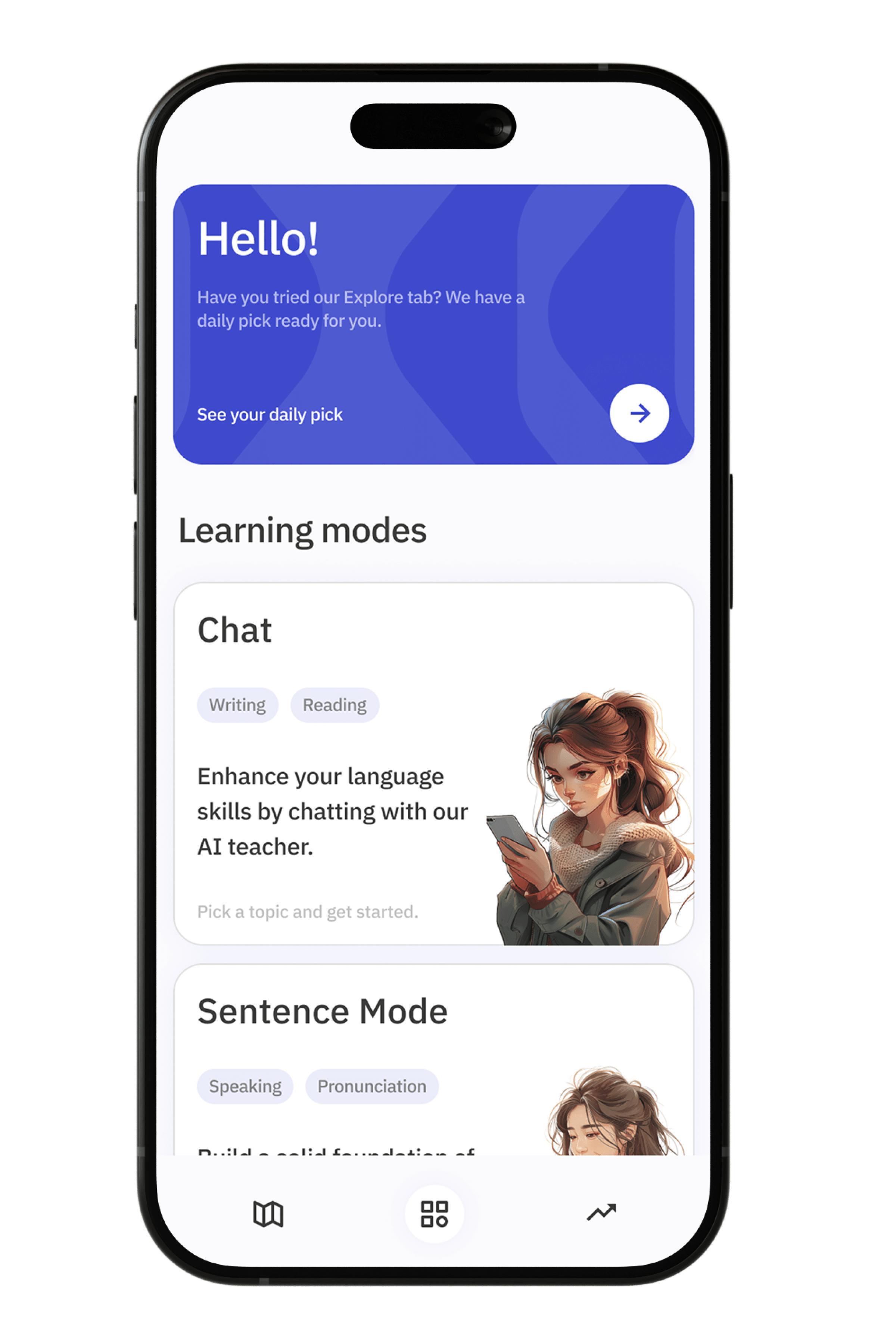
Talkpal is AI-powered language tutor. Master 50+ languages with personalized lessons and cutting-edge technology.