
Pick a language and start learning!






Conjugating regular -ER verbs in the present tense Exercises in Portuguese language

Conjugating regular -ER verbs in the present tense is a fundamental aspect of mastering Portuguese. These verbs follow a predictable pattern, making them easier to learn once you understand the rules. In Portuguese, verbs are categorized into three main conjugation groups based on their infinitive endings: -AR, -ER, and -IR. Regular -ER verbs share a common conjugation pattern that can be applied across various verbs, helping learners to quickly expand their vocabulary and construct accurate sentences. By mastering this pattern, you'll be able to express actions and states that happen in the present time, a crucial step in becoming proficient in Portuguese.
To conjugate regular -ER verbs in the present tense, you start with the verb's stem and add specific endings for each subject pronoun. The stem is derived by removing the -ER ending from the infinitive form of the verb. Then, you attach the appropriate endings (-o, -es, -e, -emos, -eis, -em) to the stem depending on the subject. For example, the verb "comer" (to eat) is conjugated as "eu como" (I eat), "tu comes" (you eat), "ele/ela come" (he/she eats), "nós comemos" (we eat), "vós comeis" (you all eat), and "eles/elas comem" (they eat). Practicing these conjugations will help solidify your understanding and improve your ability to communicate effectively in Portuguese.
Exercise 1
<p>1. Eu sempre *corro* no parque de manhã (verb for running).</p>
<p>2. Você *bebe* café todos os dias? (verb for drinking).</p>
<p>3. Nós *aprendemos* português juntos (verb for learning).</p>
<p>4. Eles *comem* pizza toda sexta-feira (verb for eating).</p>
<p>5. Ela *vende* produtos online (verb for selling).</p>
<p>6. Vocês *respondem* às perguntas do professor (verb for answering).</p>
<p>7. O gato *morde* o brinquedo (verb for biting).</p>
<p>8. Eu *escrevo* uma carta para minha amiga (verb for writing).</p>
<p>9. Nós *tememos* tempestades fortes (verb for fearing).</p>
<p>10. Você *escolhe* o que quer para o jantar (verb for choosing).</p>
Exercise 2
<p>1. Eu *como* uma maçã todos os dias (verb for eating).</p>
<p>2. Tu *bebes* água com frequência (verb for drinking).</p>
<p>3. Ela *corre* no parque todas as manhãs (verb for running).</p>
<p>4. Nós *escrevemos* cartas para nossos amigos (verb for writing).</p>
<p>5. Eles *vendem* frutas no mercado (verb for selling).</p>
<p>6. Vocês *aprendem* português muito rápido (verb for learning).</p>
<p>7. Ele *escolhe* o caminho mais curto para chegar ao trabalho (verb for choosing).</p>
<p>8. Nós *tememos* tempestades durante o verão (verb for fearing).</p>
<p>9. Elas *recebem* muitas visitas no fim de semana (verb for receiving).</p>
<p>10. Tu *vives* numa cidade pequena (verb for living).</p>
Exercise 3
<p>1. Eu *corro* todos os dias no parque (verb for running).</p>
<p>2. Nós *bebemos* café pela manhã (verb for drinking).</p>
<p>3. Eles *comem* pizza aos sábados (verb for eating).</p>
<p>4. Ela *escreve* cartas para seus amigos (verb for writing).</p>
<p>5. Vocês *aprendem* português na escola (verb for learning).</p>
<p>6. Tu *vendes* frutas na feira (verb for selling).</p>
<p>7. O gato *morde* o brinquedo (verb for biting).</p>
<p>8. Os alunos *recebem* notas altas (verb for receiving).</p>
<p>9. Eu *devo* dinheiro ao banco (verb for owing).</p>
<p>10. Ele *perde* as chaves frequentemente (verb for losing).</p>
Learn a Language 5x Faster with AI
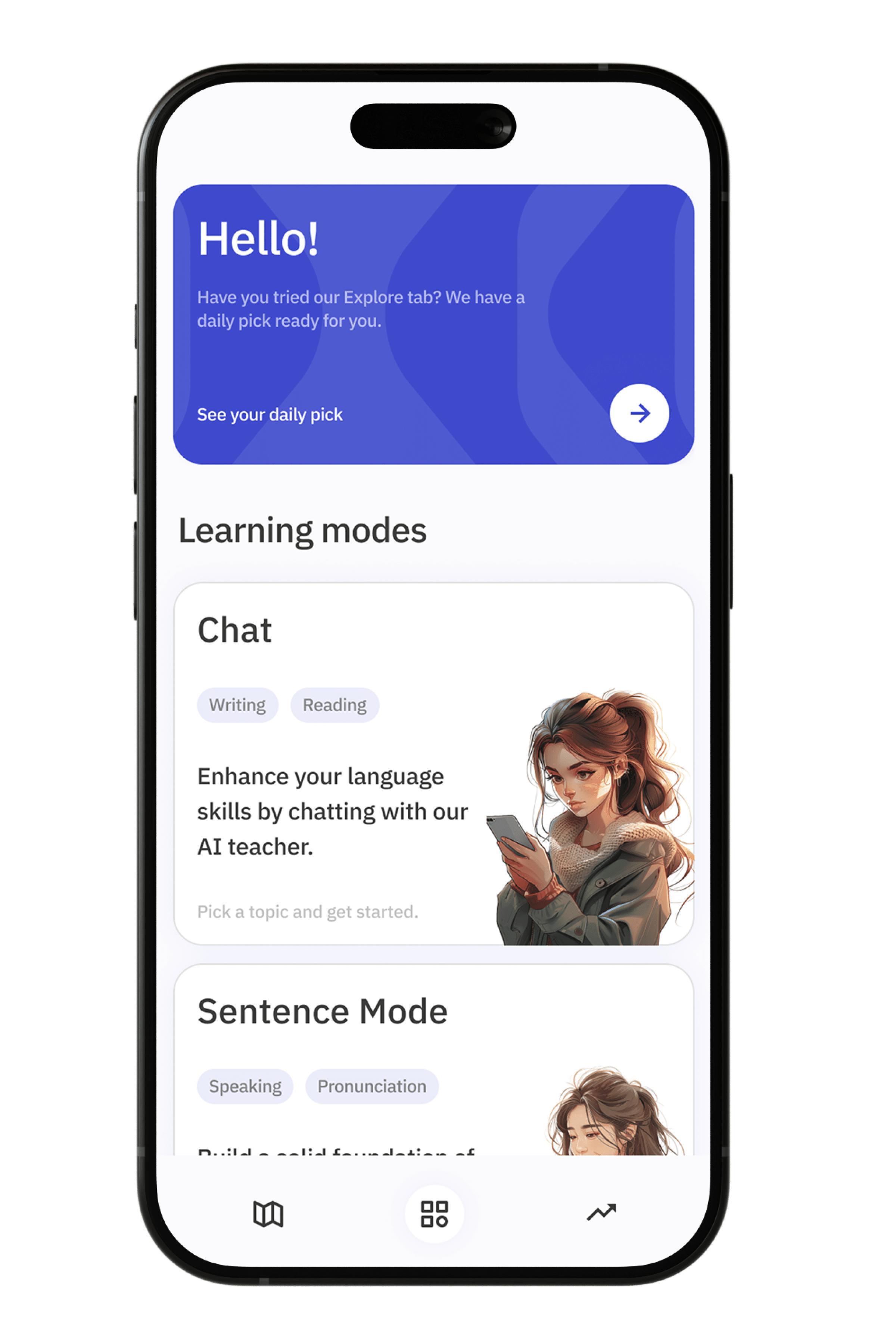
Talkpal is AI-powered language tutor. Master 50+ languages with personalized lessons and cutting-edge technology.