
Pick a language and start learning!






Conjugating in the imperfect tense Exercises in Portuguese language

Conjugating verbs in the imperfect tense is a fundamental aspect of mastering the Portuguese language, providing essential tools for expressing past actions that were ongoing or habitual. The imperfect tense, known as "pretérito imperfeito" in Portuguese, is particularly useful for describing situations, habits, or actions that were not completed in the past. Understanding how to properly use this tense will allow you to convey nuances and subtleties in your storytelling, making your conversations and writings more precise and engaging.
In Portuguese, the imperfect tense is relatively straightforward once you grasp the basic conjugation patterns for regular verbs and become familiar with some common irregular verbs. This section provides a variety of grammar exercises designed to help you practice and reinforce your knowledge of the imperfect tense. By working through these exercises, you will enhance your ability to describe past events and habits more accurately, improving both your written and spoken Portuguese. Dive into the exercises and watch your confidence in using the imperfect tense grow!
Exercise 1
<p>1. Quando eu era criança, eu sempre *brincava* no parque. (verb for playing)</p>
<p>2. Nós *morávamos* na Espanha quando éramos jovens. (verb for living)</p>
<p>3. Ele *viajava* muito a trabalho antigamente. (verb for traveling)</p>
<p>4. Eles *estudavam* juntos todas as noites. (verb for studying)</p>
<p>5. Você *assistia* televisão na sala de estar todas as tardes. (verb for watching)</p>
<p>6. Ela *cozinhava* deliciosas sobremesas para a família. (verb for cooking)</p>
<p>7. Nós *nadávamos* na piscina todos os verões. (verb for swimming)</p>
<p>8. Eles *jogavam* futebol nos fins de semana. (verb for playing a sport)</p>
<p>9. Eu *lia* livros de aventuras quando era adolescente. (verb for reading)</p>
<p>10. Você sempre *ouviam* música enquanto estudava. (verb for listening)</p>
Exercise 2
<p>1. Eles *brincavam* no parque todos os dias (verb for playing).</p>
<p>2. Nós *assistíamos* a filmes aos sábados (verb for watching).</p>
<p>3. Eu *lia* muitos livros quando era criança (verb for reading).</p>
<p>4. Ela *viajava* bastante a trabalho (verb for traveling).</p>
<p>5. Vocês *estudavam* juntos para os exames (verb for studying).</p>
<p>6. Tu *comias* muito chocolate na infância (verb for eating).</p>
<p>7. Nós *morávamos* em uma casa grande (verb for living).</p>
<p>8. Ele *trabalhava* em um escritório no centro (verb for working).</p>
<p>9. Elas *dançavam* todas as noites na festa (verb for dancing).</p>
<p>10. Você *dirigia* com cuidado na estrada (verb for driving).</p>
Exercise 3
<p>1. Quando eu *era* criança, gostava de brincar no parque. (verb "to be" in the first person singular)</p>
<p>2. Nós *estudávamos* juntos na biblioteca todos os dias. (verb "to study" in the first person plural)</p>
<p>3. Ela *viajava* para o exterior todos os verões. (verb "to travel" in the third person singular)</p>
<p>4. Eles sempre *jogavam* futebol no fim de semana. (verb "to play" in the third person plural)</p>
<p>5. Você *lia* muitos livros quando era mais jovem. (verb "to read" in the second person singular)</p>
<p>6. Nós *morávamos* naquela casa grande perto da praia. (verb "to live" in the first person plural)</p>
<p>7. Eu *escrevia* cartas para meus amigos frequentemente. (verb "to write" in the first person singular)</p>
<p>8. Ele *corria* no parque todas as manhãs. (verb "to run" in the third person singular)</p>
<p>9. Nós *assistíamos* muitos filmes no cinema antigamente. (verb "to watch" in the first person plural)</p>
<p>10. Elas *cantavam* no coral da escola. (verb "to sing" in the third person plural)</p>
Learn a Language 5x Faster with AI
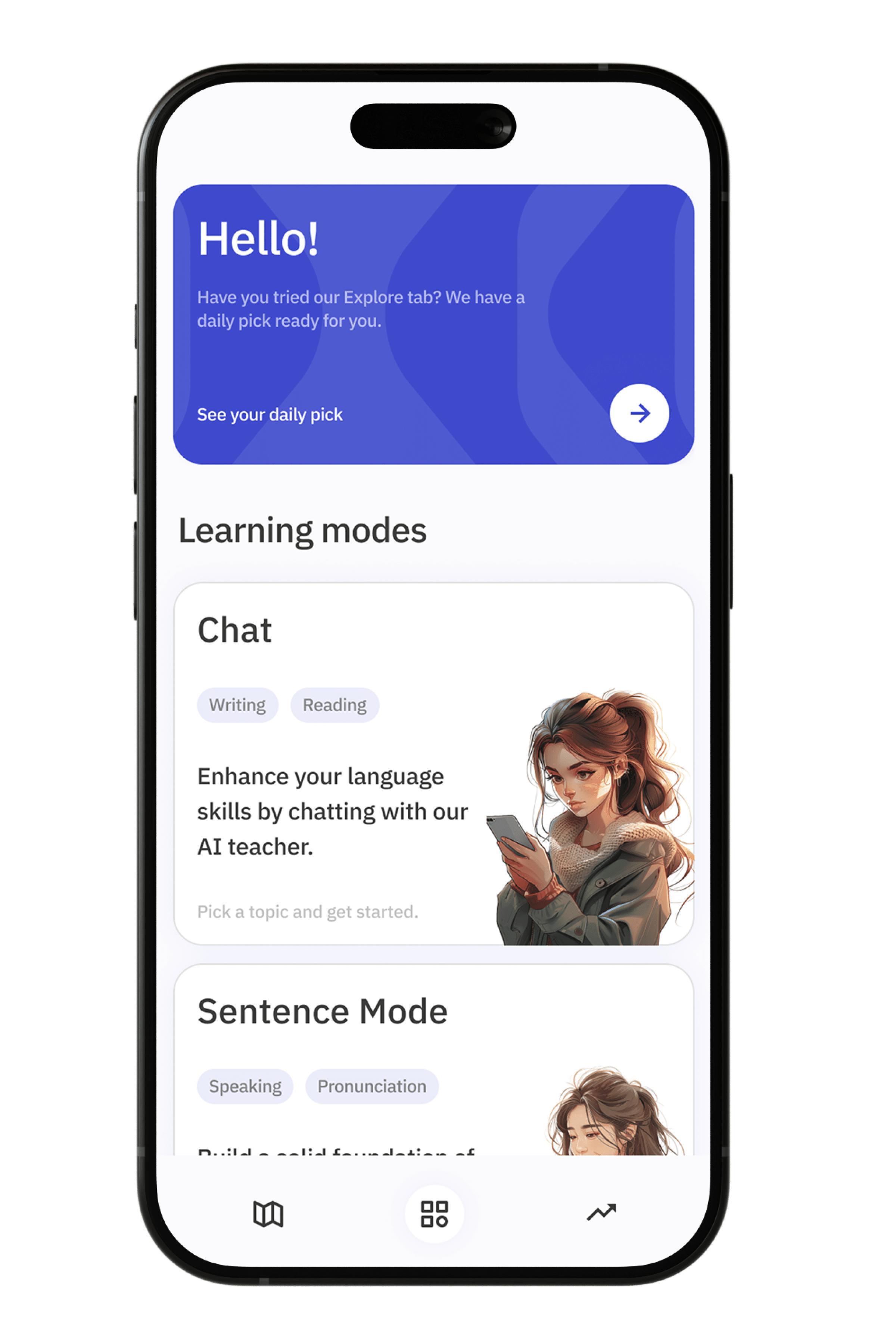
Talkpal is AI-powered language tutor. Master 50+ languages with personalized lessons and cutting-edge technology.