
Pick a language and start learning!






Subjunctive mood in the present tense Exercises in Portuguese language

The subjunctive mood in the present tense is a crucial aspect of mastering Portuguese, as it allows speakers to express wishes, doubts, hypotheticals, and non-factual situations. Unlike the indicative mood, which deals with concrete realities and factual statements, the subjunctive introduces a layer of uncertainty and subjectivity. This mood is often triggered by specific verbs, conjunctions, and expressions that convey desires, emotions, necessity, and possibility. Understanding when and how to use the present subjunctive is essential for achieving fluency and conveying nuanced meanings in Portuguese.
To form the present subjunctive in Portuguese, you need to start with the first-person singular form of the present indicative, remove the final -o, and then add the appropriate subjunctive endings for -ar, -er, and -ir verbs. For -ar verbs, the endings are -e, -es, -e, -emos, -eis, -em. For -er and -ir verbs, the endings are -a, -as, -a, -amos, -ais, -am. Irregular verbs and stem-changing verbs add an extra layer of complexity, but with practice, the patterns become more intuitive. This page provides a variety of exercises designed to reinforce your understanding and usage of the present subjunctive, helping you to recognize triggers and correctly conjugate verbs in real-life contexts.
Exercise 1
<p>1. Espero que ele *venha* à festa (verb for coming).</p>
<p>2. É importante que nós *estudemos* para a prova (verb for studying).</p>
<p>3. Quero que você *faça* o trabalho agora (verb for doing).</p>
<p>4. Tomara que eles *cheguem* a tempo (verb for arriving).</p>
<p>5. É necessário que ela *saiba* a verdade (verb for knowing).</p>
<p>6. Sugiro que vocês *comam* mais frutas (verb for eating).</p>
<p>7. Prefiro que ele *vá* de ônibus (verb for going).</p>
<p>8. Duvido que eles *possam* resolver o problema (verb for being able to).</p>
<p>9. Recomendo que você *leia* este livro (verb for reading).</p>
<p>10. Embora ele *trabalhe* muito, ainda tem tempo para a família (verb for working).</p>
Exercise 2
<p>1. É importante que ele *estude* todos os dias. (verb for studying)</p>
<p>2. Espero que você *chegue* a tempo para a reunião. (verb for arriving)</p>
<p>3. Desejo que ela *tenha* um bom dia. (verb for having)</p>
<p>4. Prefiro que nós *comamos* em casa hoje. (verb for eating)</p>
<p>5. Sugiro que eles *façam* o trabalho agora. (verb for doing)</p>
<p>6. É necessário que você *saiba* a resposta correta. (verb for knowing)</p>
<p>7. Quero que você *vá* ao supermercado. (verb for going)</p>
<p>8. Ela pede que ele *escreva* a carta. (verb for writing)</p>
<p>9. Tomara que nós *possamos* viajar em breve. (verb for being able to)</p>
<p>10. Talvez ele *venha* à festa mais tarde. (verb for coming)</p>
Exercise 3
<p>1. Espero que você *esteja* bem. (verb "to be" in the present subjunctive)</p>
<p>2. É importante que nós *cheguemos* cedo. (verb "to arrive" in the present subjunctive)</p>
<p>3. Não acho que ele *saiba* a resposta. (verb "to know" in the present subjunctive)</p>
<p>4. Tomara que eles *possam* vir à festa. (verb "to be able to" in the present subjunctive)</p>
<p>5. Talvez ela *faça* um bolo. (verb "to make" in the present subjunctive)</p>
<p>6. É necessário que você *traga* os documentos. (verb "to bring" in the present subjunctive)</p>
<p>7. Desejo que você *tenha* um bom dia. (verb "to have" in the present subjunctive)</p>
<p>8. Embora ele *vá* ao médico, ainda está doente. (verb "to go" in the present subjunctive)</p>
<p>9. Quero que ela *leia* este livro. (verb "to read" in the present subjunctive)</p>
<p>10. É possível que nós *vençamos* o jogo. (verb "to win" in the present subjunctive)</p>
Learn a Language 5x Faster with AI
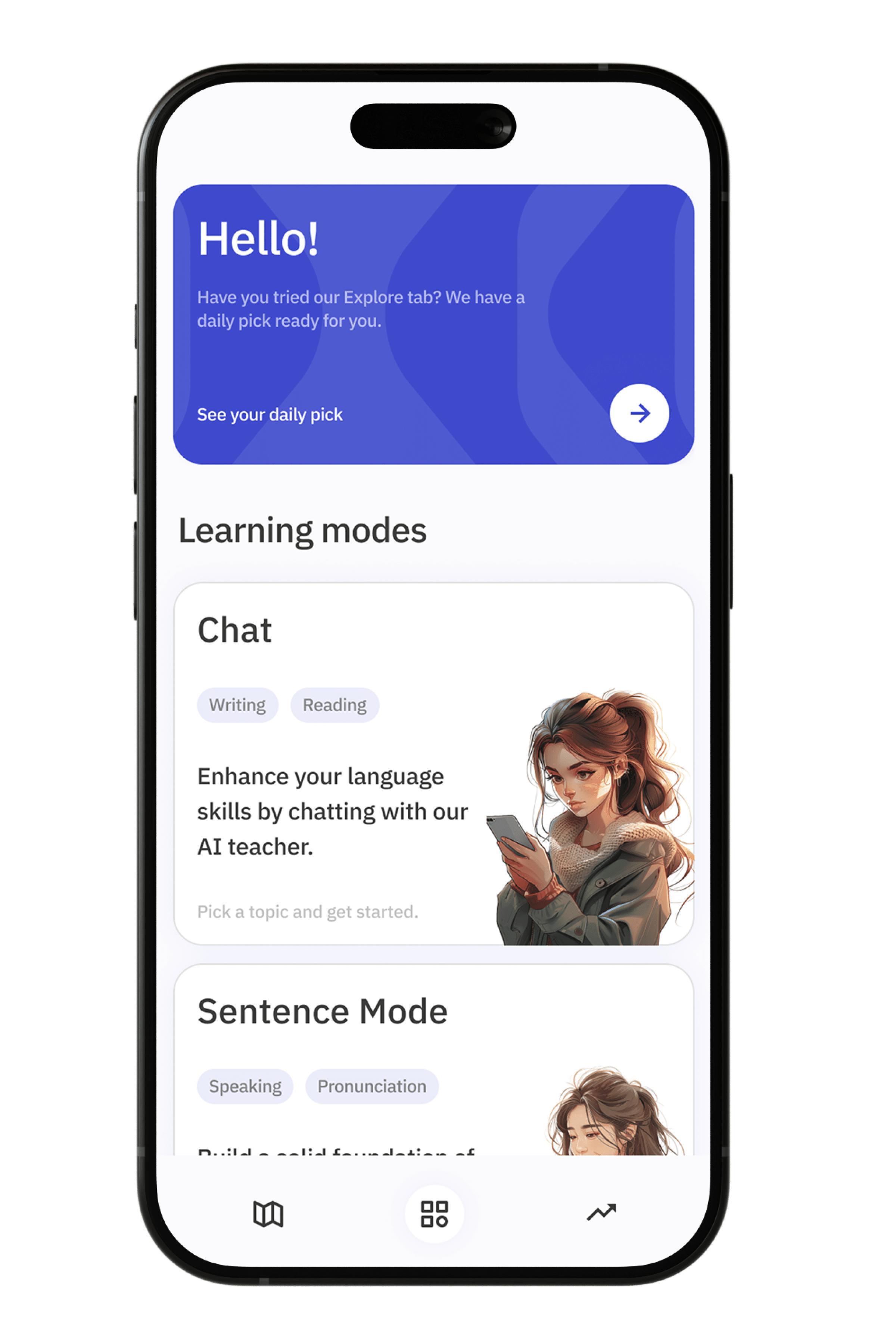
Talkpal is AI-powered language tutor. Master 50+ languages with personalized lessons and cutting-edge technology.