
Pick a language and start learning!






Agreement of adjectives in gender and number Exercises in Portuguese language

Mastering the agreement of adjectives in gender and number is a fundamental aspect of learning Portuguese. In Portuguese, adjectives must agree with the nouns they describe in both gender (masculine or feminine) and number (singular or plural). This means that a single adjective can take on different forms depending on the noun it modifies. For instance, the word "bonito" (beautiful) changes to "bonita" when describing a feminine noun, and to "bonitos" or "bonitas" when describing plural nouns. Understanding these rules is crucial for constructing grammatically correct and natural-sounding sentences.
Our grammar exercises are designed to help you practice and reinforce this important grammatical concept. By engaging with a variety of interactive activities, you'll become more comfortable with making adjectives agree correctly with the nouns they modify. These exercises will guide you through different scenarios, ensuring you gain confidence in both written and spoken Portuguese. As you progress, you'll find that your ability to communicate accurately and effectively in Portuguese will significantly improve, paving the way for more advanced language skills.
Exercise 1
<p>1. O carro é muito *rápido* (adjective for "car").</p>
<p>2. As flores são *bonitas* (adjective for "flowers").</p>
<p>3. Ele é um menino *inteligente* (adjective for "boy").</p>
<p>4. As casas são *grandes* (adjective for "houses").</p>
<p>5. A professora é *simpática* (adjective for "teacher", feminine).</p>
<p>6. Os gatos são *preguiçosos* (adjective for "cats").</p>
<p>7. A maça está *vermelha* (adjective for "apple").</p>
<p>8. Os livros são *interessantes* (adjective for "books").</p>
<p>9. O cachorro é *branco* (adjective for "dog").</p>
<p>10. As crianças estão *felizes* (adjective for "children").</p>
Exercise 2
<p>1. O cachorro é muito *bravo* (masculine adjective for fierce).</p>
<p>2. As flores estão *murchas* (feminine adjective for wilted).</p>
<p>3. O livro é muito *interessante* (masculine adjective for interesting).</p>
<p>4. As casas são *grandes* (feminine plural adjective for big).</p>
<p>5. O carro está *limpo* (masculine adjective for clean).</p>
<p>6. As meninas são *inteligentes* (feminine plural adjective for smart).</p>
<p>7. O gato é *branco* (masculine adjective for white).</p>
<p>8. As maçãs estão *vermelhas* (feminine plural adjective for red).</p>
<p>9. O filme é muito *engraçado* (masculine adjective for funny).</p>
<p>10. As janelas estão *abertas* (feminine plural adjective for open).</p>
Exercise 3
<p>1. A menina estava muito *feliz* com seu presente novo (emotion).</p>
<p>2. Os gatos são *pretos* e brancos (color, plural).</p>
<p>3. A casa grande e *bonita* foi vendida (adjective describing a house).</p>
<p>4. Os alunos estavam *cansados* depois da aula (adjective for tired, plural).</p>
<p>5. As flores eram *vermelhas* e amarelas (color, plural).</p>
<p>6. O cachorro é *amigável* com todos (adjective for friendly).</p>
<p>7. As crianças estavam *contentes* com a festa (adjective for happy, plural).</p>
<p>8. A mulher estava *triste* com as notícias (emotion).</p>
<p>9. Os livros são *interessantes* e educativos (adjective for interesting, plural).</p>
<p>10. As frutas são *deliciosas* e saudáveis (adjective for delicious, plural).</p>
Learn a Language 5x Faster with AI
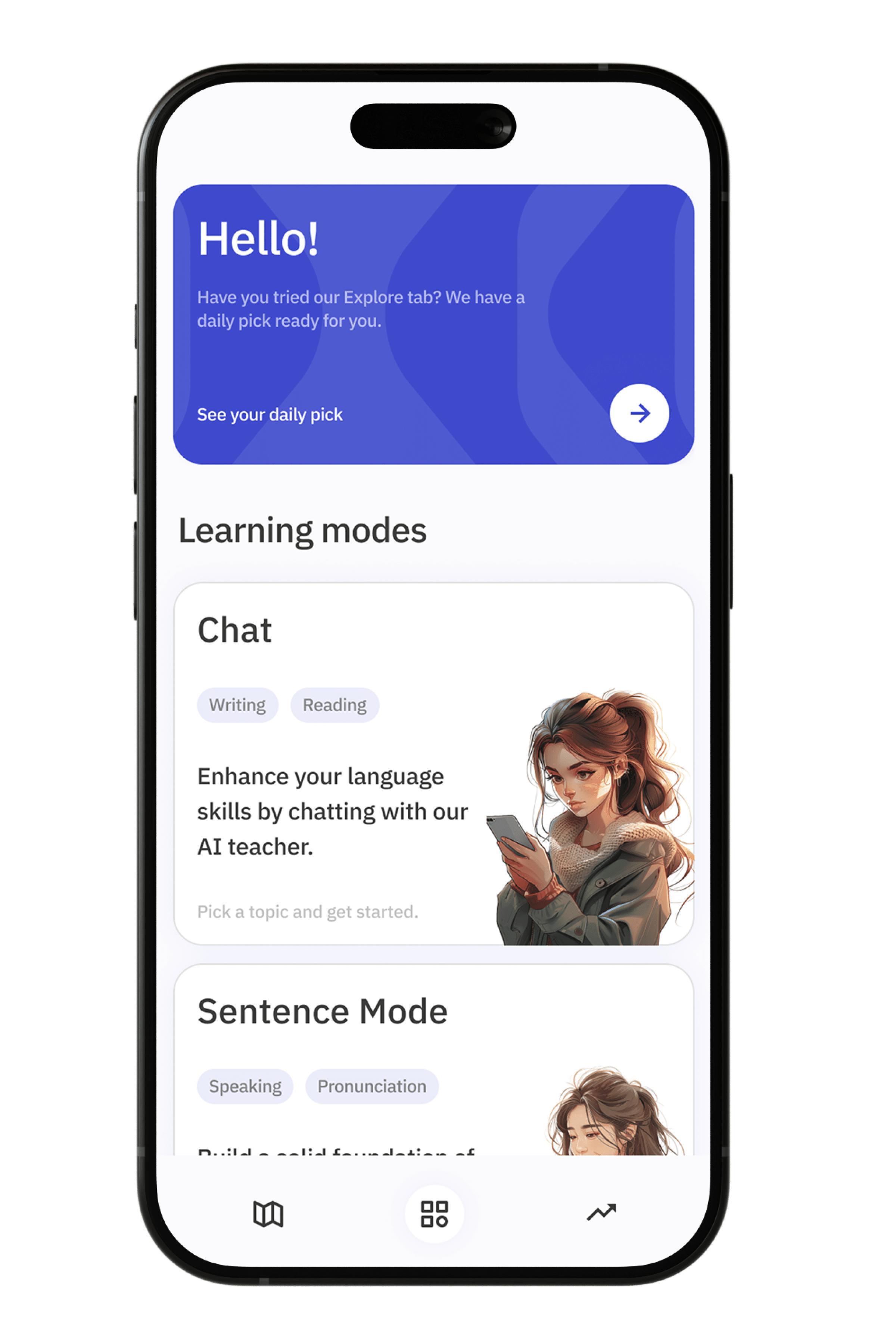
Talkpal is AI-powered language tutor. Master 50+ languages with personalized lessons and cutting-edge technology.