
Pick a language and start learning!






Adjectives for personality traits Exercises in Italian language

Mastering the use of adjectives to describe personality traits is essential for anyone learning Italian, as it allows for more nuanced and expressive communication. Whether you're describing yourself, your friends, or fictional characters, having a rich vocabulary of personality adjectives can significantly enhance your conversational skills. In Italian, these adjectives often vary in form depending on the gender and number of the noun they modify, adding an extra layer of complexity to their usage. Understanding how to correctly use these descriptive words can provide deeper insights into Italian culture and social interactions.
In these exercises, you will explore a wide range of adjectives that capture various personality traits, from "affettuoso" (affectionate) to "riservato" (reserved). Through a series of engaging activities, you will practice matching adjectives to appropriate nouns, conjugating them correctly, and using them in full sentences. These exercises are designed to help you build confidence and accuracy in your spoken and written Italian, making your descriptions more vivid and precise. By the end of these exercises, you'll be well-equipped to describe personalities in Italian with ease and clarity.
Exercise 1
<p>1. Lui è sempre *gentile* con tutti (opposite of rude).</p>
<p>2. Maria è *intelligente* e comprende tutto velocemente (synonym of smart).</p>
<p>3. Giovanni è molto *timido* e non parla molto in pubblico (opposite of outgoing).</p>
<p>4. Lei è molto *ambiziosa* e vuole diventare una grande manager (someone who has big goals).</p>
<p>5. Marco è sempre *allegro* e sorride tutto il giorno (synonym of happy).</p>
<p>6. Carla è *generosa* e aiuta sempre i suoi amici (someone who likes to give).</p>
<p>7. Lui è troppo *pigro* e non fa mai esercizio fisico (opposite of active).</p>
<p>8. Anna è molto *curiosa* e fa sempre molte domande (someone who likes to learn new things).</p>
<p>9. Paolo è *onesto* e dice sempre la verità (opposite of dishonest).</p>
<p>10. Lei è *paziente* e aspetta sempre senza lamentarsi (someone who is good at waiting).</p>
Exercise 2
<p>1. Maria è una ragazza molto *gentile* (opposite of rude).</p>
<p>2. Luigi è sempre *puntuale* al lavoro (synonym for on time).</p>
<p>3. Anna è una persona molto *generosa* (willing to give and share).</p>
<p>4. Marco è *intelligente* e capisce tutto velocemente (opposite of stupid).</p>
<p>5. Carla è molto *timida* e non parla molto (shy).</p>
<p>6. Giovanni è sempre *allegro* e sorride spesso (happy and cheerful).</p>
<p>7. Silvia è molto *curiosa* e vuole sapere tutto (eager to know or learn).</p>
<p>8. Paolo è *onesto* e dice sempre la verità (opposite of dishonest).</p>
<p>9. Francesca è *creativa* e ha sempre nuove idee (good at thinking of new ideas).</p>
<p>10. Roberto è molto *paziente* e aspetta senza problemi (opposite of impatient).</p>
Exercise 3
<p>1. Luigi è molto *generoso* con i suoi amici (opposite of selfish).</p>
<p>2. Maria è sempre *ottimista* riguardo al futuro (positive outlook).</p>
<p>3. Il professore è estremamente *paziente* con gli studenti (tolerant and calm).</p>
<p>4. Carla è una persona molto *affidabile* (trustworthy).</p>
<p>5. Gianni è noto per essere *ambizioso* nel suo lavoro (has strong desire to succeed).</p>
<p>6. Anna è molto *creativa* e ama dipingere (full of original ideas).</p>
<p>7. Marco è *timido* e non parla molto in pubblico (shy).</p>
<p>8. Francesca è *altruista* e aiuta sempre gli altri (selfless).</p>
<p>9. Paolo è *determinato* a raggiungere i suoi obiettivi (firm decision and resolve).</p>
<p>10. Giulia è *spontanea* e ama le avventure improvvisate (acts on impulse).</p>
Learn a Language 5x Faster with AI
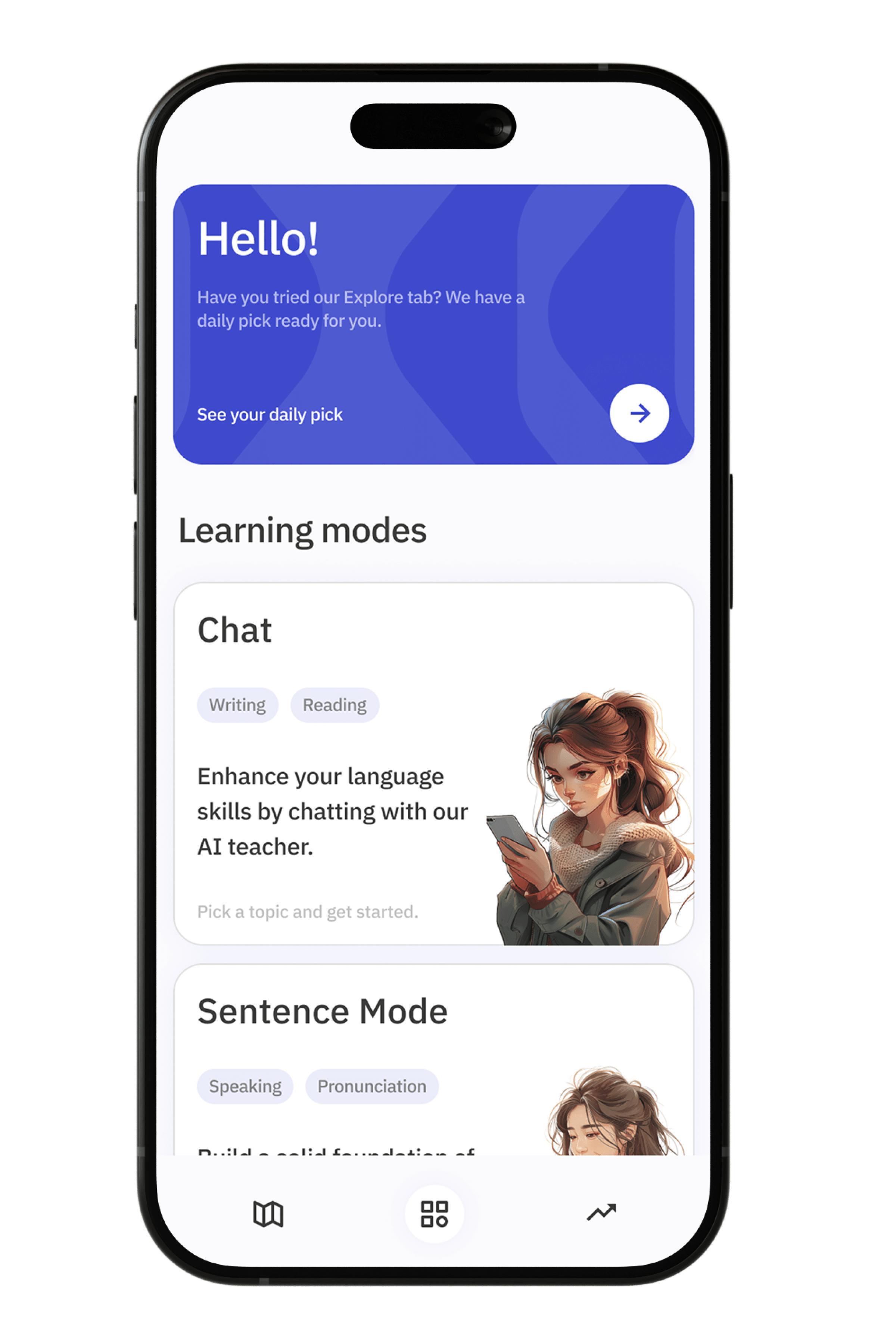
Talkpal is AI-powered language tutor. Master 50+ languages with personalized lessons and cutting-edge technology.