
Pick a language and start learning!






Conjugation of action verbs in present tense Exercises in Korean language

Conjugation of action verbs in the present tense is a fundamental aspect of mastering the Korean language. Understanding how to correctly modify these verbs is essential for constructing meaningful and accurate sentences. In Korean, verb conjugation varies based on formality and politeness levels, making it crucial to not only learn the base forms but also how they change in different social contexts. By practicing these conjugations, learners can enhance their ability to communicate effectively, whether in casual conversations or more formal settings.
In this section, you will find a series of exercises designed to help you practice and internalize the conjugation rules for Korean action verbs in the present tense. Each exercise focuses on different aspects of conjugation, from regular patterns to irregular verbs, ensuring a comprehensive understanding of this critical grammar point. Through consistent practice, you will become more confident in your ability to use these verbs correctly, paving the way for more fluent and natural Korean speech. Dive in and start honing your skills with these engaging and informative exercises.
Exercise 1
<p>1. He *먹어요* every day (to eat).</p>
<p>2. She *읽어요* a book every night (to read).</p>
<p>3. They *공부해요* together at the library (to study).</p>
<p>4. I *춤춰요* at the party (to dance).</p>
<p>5. We *노래해요* at the karaoke (to sing).</p>
<p>6. The cat *놀아요* with the toy (to play).</p>
<p>7. He *운동해요* at the gym every morning (to exercise).</p>
<p>8. She *일해요* at the office (to work).</p>
<p>9. They *요리해요* dinner together (to cook).</p>
<p>10. I *마셔요* coffee every morning (to drink).</p>
Exercise 2
<p>1. He *먹어요* breakfast every morning (verb for eating).</p>
<p>2. She *공부해요* Korean every evening (verb for studying).</p>
<p>3. We *운동해요* at the gym three times a week (verb for exercising).</p>
<p>4. They *춤춰요* at the dance club on weekends (verb for dancing).</p>
<p>5. I *일해요* at the office from 9 to 5 (verb for working).</p>
<p>6. The children *놀아요* in the park after school (verb for playing).</p>
<p>7. My mother *청소해요* the house every Saturday (verb for cleaning).</p>
<p>8. She *노래해요* beautifully at the concert (verb for singing).</p>
<p>9. The teacher *가르쳐요* the students in the classroom (verb for teaching).</p>
<p>10. He *달려요* to catch the bus every morning (verb for running).</p>
Exercise 3
<p>1. 그는 매일 아침에 *달려요* (to run).</p>
<p>2. 나는 친구와 함께 저녁을 *먹어요* (to eat).</p>
<p>3. 우리는 도서관에서 책을 *읽어요* (to read).</p>
<p>4. 그녀는 매일 밤 음악을 *들어요* (to listen).</p>
<p>5. 아이들이 공원에서 축구를 *해요* (to play).</p>
<p>6. 나는 일찍 일어나서 조깅을 *해요* (to jog).</p>
<p>7. 그는 매일 학교에 *가요* (to go).</p>
<p>8. 우리는 저녁에 영화를 *봐요* (to watch).</p>
<p>9. 나는 한국어를 배우기 위해 열심히 *공부해요* (to study).</p>
<p>10. 그녀는 친구에게 자주 전화를 *걸어요* (to call).</p>
Learn a Language 5x Faster with AI
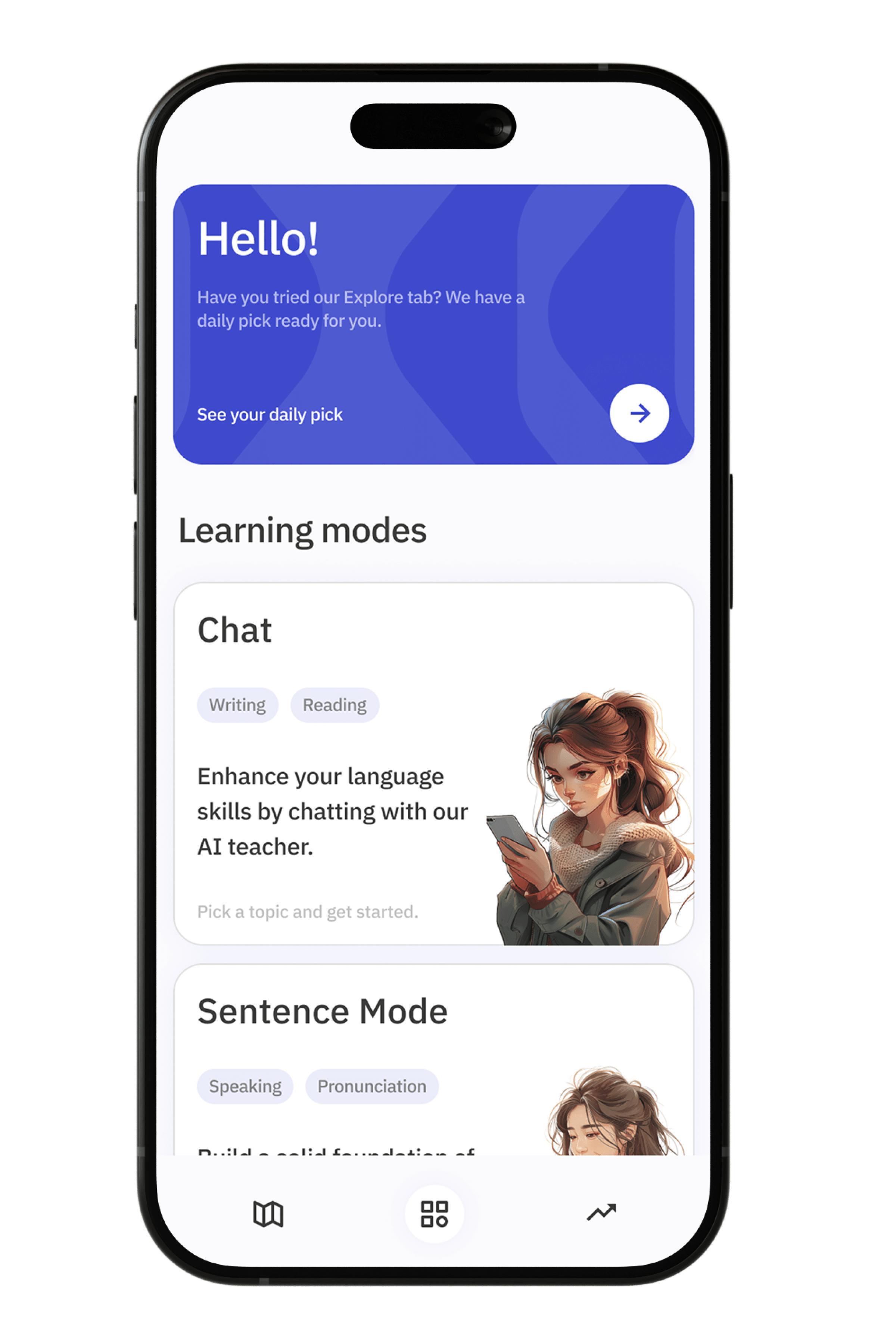
Talkpal is AI-powered language tutor. Master 50+ languages with personalized lessons and cutting-edge technology.