
Pick a language and start learning!






Using future simple tense Exercises in Korean language

Mastering the future simple tense is a crucial aspect of becoming proficient in the Korean language. This tense is used to describe actions or events that will happen in the future, which is essential for everyday communication and planning. In Korean, the future simple tense is often constructed by attaching specific endings to verbs, and understanding these patterns can greatly enhance your ability to express future intentions, predictions, and promises. Whether you are making plans with friends, discussing future goals, or simply talking about what you will do tomorrow, knowing how to use the future simple tense correctly is indispensable.
In these exercises, we will delve into the various ways to form and use the future simple tense in Korean. You will practice conjugating verbs, forming sentences, and translating phrases to ensure a comprehensive grasp of this essential grammar point. By engaging in these activities, you will not only improve your ability to communicate about future events but also build a stronger foundation in Korean grammar as a whole. Prepare to enhance your linguistic skills and gain confidence in discussing the future with accuracy and ease.
Exercise 1
<p>1. Tomorrow, I *will eat* dinner with my family (verb for consuming food).</p>
<p>2. Next week, we *will travel* to Jeju Island (verb for going on a trip).</p>
<p>3. She *will study* hard for her exams next month (verb for learning).</p>
<p>4. He *will buy* a new car next year (verb for purchasing).</p>
<p>5. They *will watch* a movie together on Friday (verb for viewing).</p>
<p>6. I *will visit* my grandparents this weekend (verb for going to see someone).</p>
<p>7. You *will start* your new job on Monday (verb for beginning).</p>
<p>8. We *will play* soccer at the park tomorrow (verb for participating in a sport).</p>
<p>9. She *will call* her friend later today (verb for making a phone contact).</p>
<p>10. He *will cook* dinner for us tonight (verb for preparing food).</p>
Exercise 2
<p>1. 다음 주에 우리는 산을 *오를* 것입니다 (verb for climbing).</p>
<p>2. 저는 내년에 한국어를 *배울* 거예요 (verb for learning).</p>
<p>3. 그녀는 내일 친구를 *만날* 거예요 (verb for meeting).</p>
<p>4. 그들은 다음 달에 집을 *이사할* 것입니다 (verb for moving).</p>
<p>5. 나는 주말에 영화를 *볼* 거예요 (verb for watching).</p>
<p>6. 우리는 내년에 새로운 프로젝트를 *시작할* 것입니다 (verb for starting).</p>
<p>7. 그는 저녁에 저녁 식사를 *준비할* 거예요 (verb for preparing).</p>
<p>8. 그녀는 내일 아침에 운동을 *할* 거예요 (verb for doing).</p>
<p>9. 우리는 내일 회의에서 중요한 결정을 *내릴* 것입니다 (verb for making a decision).</p>
<p>10. 그는 다음 주에 시험을 *볼* 거예요 (verb for taking an exam).</p>
Exercise 3
<p>1. 내일 나는 친구를 *만날* 거야 (verb for meeting).</p>
<p>2. 우리는 주말에 바다로 *갈* 거예요 (verb for going).</p>
<p>3. 그는 시험을 위해 열심히 *공부할* 것이다 (verb for studying).</p>
<p>4. 그들은 다음 달에 새 차를 *살* 예정이에요 (verb for purchasing).</p>
<p>5. 나는 저녁에 집에서 *쉴* 거야 (verb for resting).</p>
<p>6. 그녀는 내년에 대학교에 *입학할* 거예요 (verb for entering).</p>
<p>7. 우리는 다음 주에 새로운 프로젝트를 *시작할* 예정이에요 (verb for starting).</p>
<p>8. 그는 이번 여름에 해외로 *여행할* 거야 (verb for traveling).</p>
<p>9. 나는 다음 주에 중요한 발표를 *할* 것이다 (verb for doing).</p>
<p>10. 그들은 주말에 영화를 *볼* 계획이에요 (verb for watching).</p>
Learn a Language 5x Faster with AI
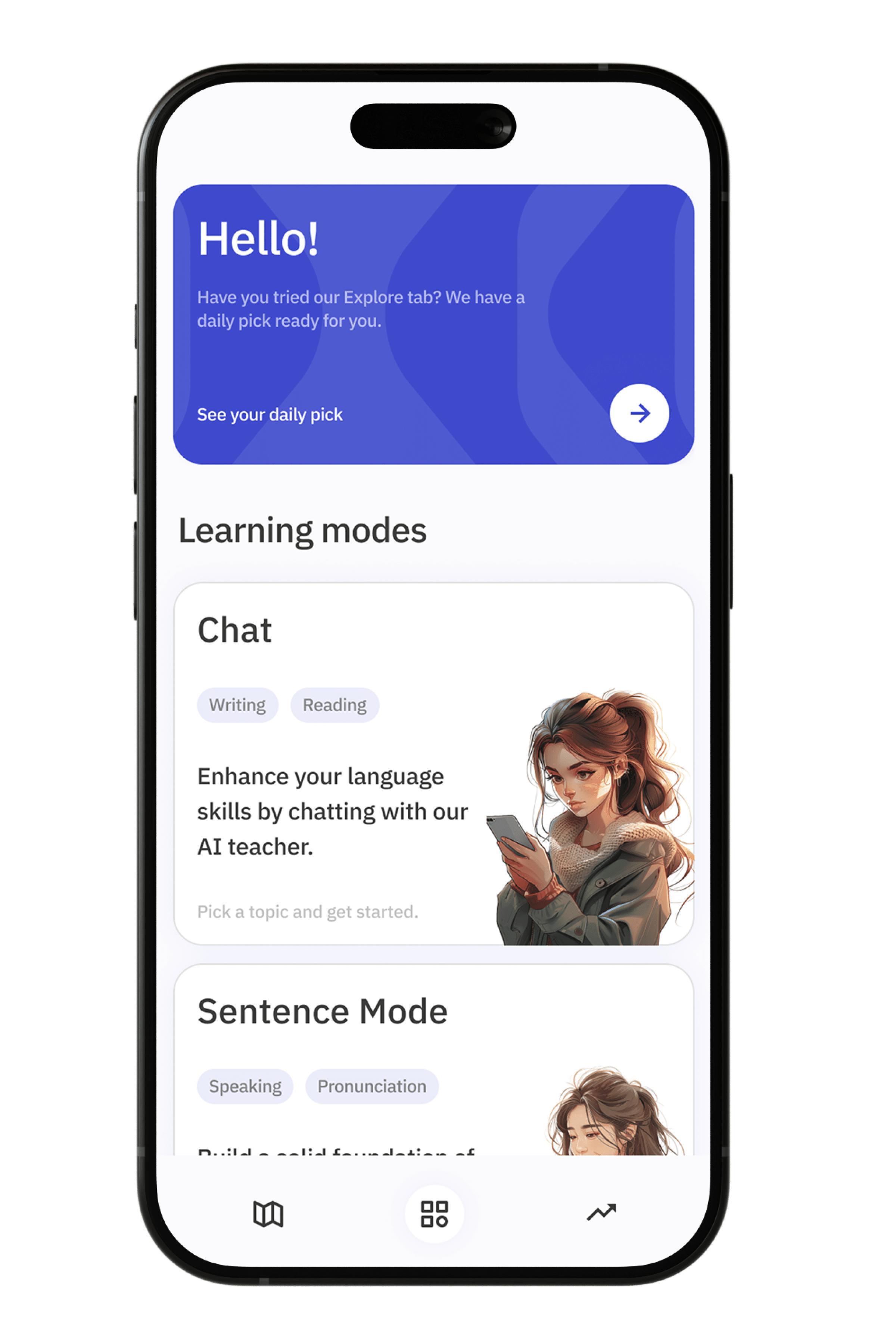
Talkpal is AI-powered language tutor. Master 50+ languages with personalized lessons and cutting-edge technology.