
Pick a language and start learning!






Conjunctions in Complex Sentences Exercises in Azerbaijani language

Conjunctions play a pivotal role in the structure and clarity of complex sentences, especially in the Azerbaijani language. By connecting clauses, conjunctions help convey intricate ideas and relationships between different parts of a sentence. Understanding how to use these linguistic tools effectively can significantly enhance your fluency and comprehension of Azerbaijani. This segment will delve into the various types of conjunctions used in complex sentences, such as coordinating, subordinating, and correlative conjunctions, and provide you with practical exercises to master their usage.
Mastering the use of conjunctions in complex sentences is essential for anyone looking to achieve proficiency in Azerbaijani. These exercises are designed to help you identify different conjunctions, understand their functions, and apply them correctly within the context of complex sentences. Whether you are a beginner or looking to refine your skills, engaging with these exercises will deepen your understanding and improve your ability to communicate more effectively in Azerbaijani. Prepare to explore the nuances of sentence structure and elevate your language skills through focused practice.
Exercise 1
<p>1. Mən yeməyi hazırladım, *amma* o yemədi (conjunction expressing contrast).</p>
<p>2. O, çox çalışır, *çünki* uğur qazanmaq istəyir (conjunction indicating reason).</p>
<p>3. Mən kitabı oxudum, *lakin* heç nə anlamadım (conjunction expressing contrast).</p>
<p>4. Biz ya kinoya gedəcəyik, *ya da* evdə qalacağıq (conjunction indicating alternatives).</p>
<p>5. O, həm oxuyur, *həm də* işləyir (conjunction indicating simultaneous actions).</p>
<p>6. Mən evdə qalmaq istəyirəm, *amma* hava çox gözəldir (conjunction expressing contrast).</p>
<p>7. O, dərsə gecikdi, *çünki* avtobus gecikdi (conjunction indicating reason).</p>
<p>8. Mənim üçün çətin idi, *lakin* mən bacardım (conjunction expressing contrast).</p>
<p>9. Biz ya futbol oynayacağıq, *ya da* basketbol (conjunction indicating alternatives).</p>
<p>10. O, həm yazır, *həm də* rəsm çəkir (conjunction indicating simultaneous actions).</p>
Exercise 2
<p>1. Mən səni *görə bilmədim*, çünki hava çox dumanlı idi (conjunction for cause).</p>
<p>2. Biz evdə qaldıq, *çünki* hava çox soyuq idi (conjunction for cause).</p>
<p>3. O dərsə gecikdi, *çünki* avtobus gecikdi (conjunction for cause).</p>
<p>4. Mən çox çalışdım, *amma* nəticə əldə edə bilmədim (conjunction for contrast).</p>
<p>5. O, ev tapşırığını bitirdi, *lakin* kitabını unutdu (conjunction for contrast).</p>
<p>6. Biz yemək yedik *və* sonra film izlədik (conjunction for addition).</p>
<p>7. Hava çox soyuq idi, *ona görə də* biz çölə çıxmadıq (conjunction for effect).</p>
<p>8. Mən kitab oxuyurdum *və* o, musiqi dinləyirdi (conjunction for simultaneous actions).</p>
<p>9. O, çox yorğun idi, *amma* işini bitirdi (conjunction for contrast).</p>
<p>10. Biz ya parka gedəcəyik *ya da* evdə qalacağıq (conjunction for choice).</p>
Exercise 3
<p>1. Mən evdən çıxmadım, *çünki* hava yağışlı idi (reason).</p>
<p>2. Sən yaxşı oxumusan, *amma* hələ ki, daha çox çalışmalısan (contrast).</p>
<p>3. Biz kitabxanaya getməliyik, *ya da* evdə oxumalıyıq (alternative).</p>
<p>4. Sənə zəng edəcəm, *nə vaxt ki* işdən çıxaram (time).</p>
<p>5. Mən həkimə getməliyəm, *çünki* özümü pis hiss edirəm (reason).</p>
<p>6. O, çox çalışdı, *lakin* uğur qazana bilmədi (contrast).</p>
<p>7. Biz evə gedəcəyik, *yaxud* kinoya gedəcəyik (alternative).</p>
<p>8. Mən kitab oxuyuram, *halbuki* sən televizora baxırsan (contrast).</p>
<p>9. Biz parka getdik, *çünki* hava çox gözəl idi (reason).</p>
<p>10. Gələn həftə səyahət edəcəyik, *əgər* hava yaxşı olsa (condition).</p>
Learn a Language 5x Faster with AI
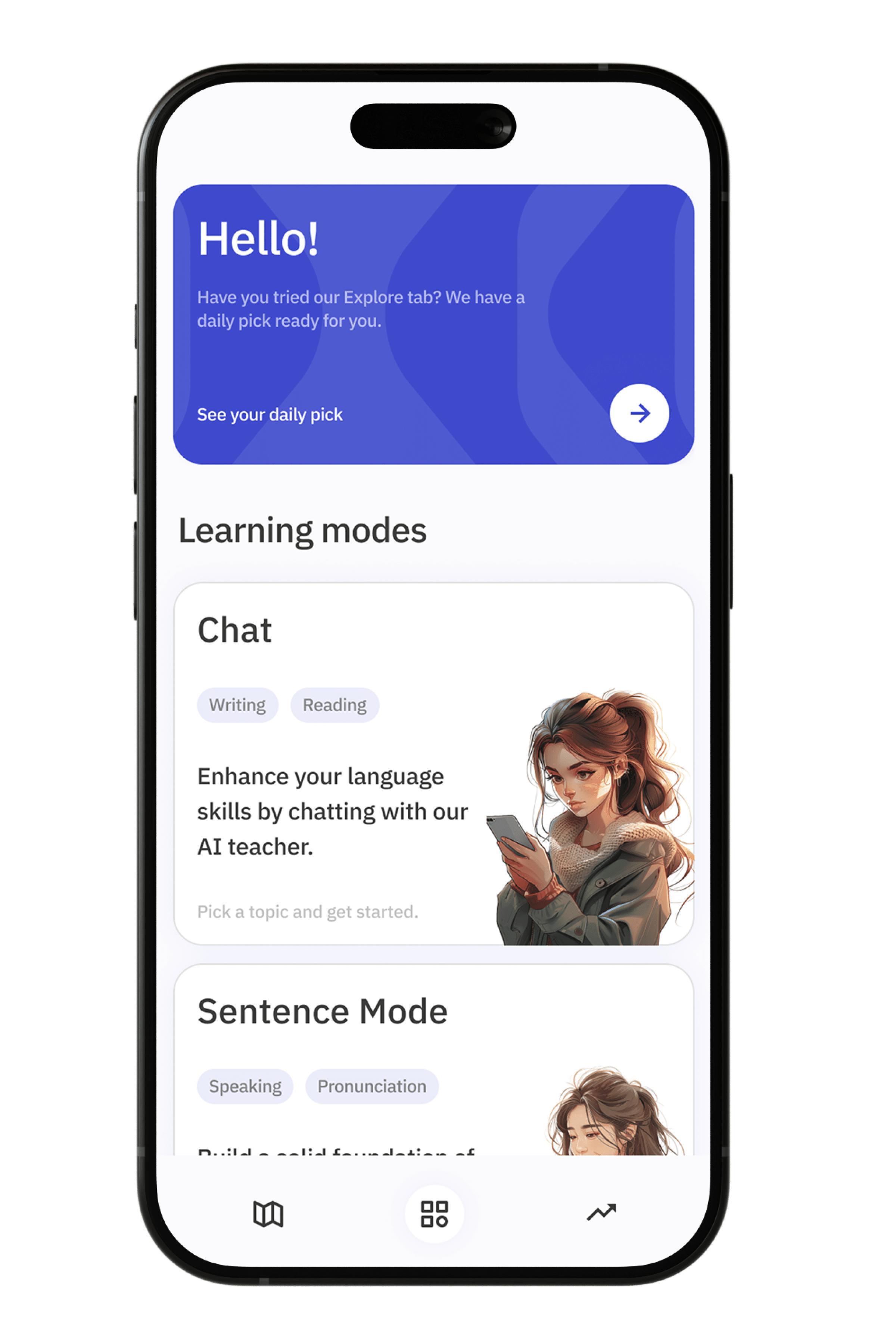
Talkpal is AI-powered language tutor. Master 50+ languages with personalized lessons and cutting-edge technology.