
Pick a language and start learning!






Irregular superlatives Exercises in Polish language

Mastering the intricacies of the Polish language involves understanding its unique grammatical structures, and one of the most challenging aspects is the use of irregular superlatives. Unlike regular superlatives that follow a predictable pattern, irregular superlatives often have distinct forms that require extra attention and practice to learn. This section is dedicated to helping you navigate these tricky constructions, providing exercises designed to reinforce your understanding and usage of irregular superlatives in various contexts.
In Polish, irregular superlatives don't adhere to the standard rules of suffix addition or vowel changes seen in regular forms. Instead, they often involve entirely different words or unexpected transformations. For instance, the word "dobry" (good) transforms to "najlepszy" (the best), and "zły" (bad) changes to "najgorszy" (the worst). These deviations can be perplexing for learners, but with targeted practice, you can gain confidence and proficiency. Our exercises will guide you through recognizing, forming, and applying these irregular superlatives, ensuring you can express yourself accurately and effectively in Polish.
Exercise 1
<p>1. To jest *najlepszy* film, jaki kiedykolwiek widziałem (the best).</p>
<p>2. Ta książka jest *najgorsza* w całej serii (the worst).</p>
<p>3. To jest *największy* dom w okolicy (the biggest).</p>
<p>4. Ona jest *najmniejsza* w swojej klasie (the smallest).</p>
<p>5. On jest *najstarszy* z rodzeństwa (the oldest).</p>
<p>6. To była *najmilsza* osoba, którą spotkałem (the nicest).</p>
<p>7. To jest *najgorsze* jedzenie, jakie kiedykolwiek jadłem (the worst).</p>
<p>8. Ta góra jest *najwyższa* w całym kraju (the highest).</p>
<p>9. To jest *najkrótsza* droga do domu (the shortest).</p>
<p>10. To jest *najlepsze* rozwiązanie dla tego problemu (the best).</p>
Exercise 2
<p>1. To jest *najlepsza* książka, jaką kiedykolwiek czytałem (superlative of "dobry").</p>
<p>2. Ten film jest *najgorszy* ze wszystkich, które widziałem (superlative of "zły").</p>
<p>3. Michał jest *najstarszym* uczniem w klasie (superlative of "stary").</p>
<p>4. Ta droga jest *najkrótsza* do miasta (superlative of "krótki").</p>
<p>5. Ania jest *najmłodsza* w rodzinie (superlative of "młody").</p>
<p>6. To jest *największy* dom na ulicy (superlative of "duży").</p>
<p>7. To jest *najmniejszy* pies, jakiego widziałem (superlative of "mały").</p>
<p>8. Ona ma *najlepsze* wyniki w klasie (superlative of "dobry").</p>
<p>9. To jest *najgorszy* dzień w moim życiu (superlative of "zły").</p>
<p>10. To jest *najdłuższa* rzeka w Polsce (superlative of "długi").</p>
Exercise 3
<p>1. Adam jest *najlepszy* w matematyce (the best).</p>
<p>2. Ten film jest *najgorszy* ze wszystkich, które widziałem (the worst).</p>
<p>3. Ona jest *najlepsza* w klasie w grze na pianinie (the best).</p>
<p>4. To jest *najgorsza* restauracja w mieście (the worst).</p>
<p>5. Tomek jest *najstarszy* z rodzeństwa (the oldest).</p>
<p>6. Ten pies jest *najmniejszy* z całego miotu (the smallest).</p>
<p>7. Marta jest *najmłodsza* w swojej rodzinie (the youngest).</p>
<p>8. To jest *najlepszy* sposób na naukę języków (the best).</p>
<p>9. Ten dom jest *największy* na całej ulicy (the biggest).</p>
<p>10. To był *najgorszy* dzień w moim życiu (the worst).</p>
Learn a Language 5x Faster with AI
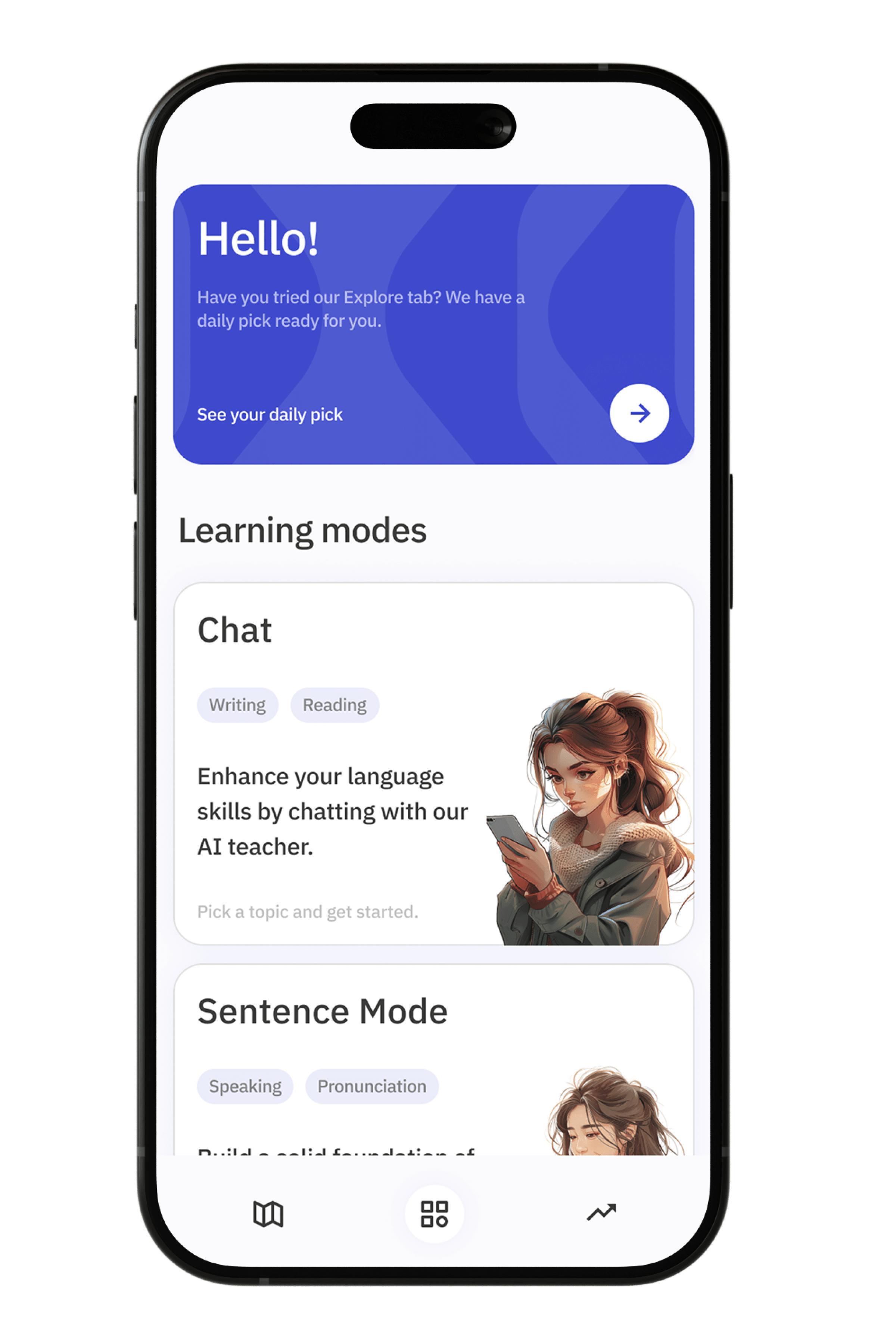
Talkpal is AI-powered language tutor. Master 50+ languages with personalized lessons and cutting-edge technology.