
Pick a language and start learning!






Adjetivos con prefijos Ejercicios en idioma ingles

Los adjetivos con prefijos son una herramienta fundamental en el aprendizaje del idioma inglés, ya que permiten enriquecer el vocabulario y dar matices específicos a las descripciones. Un prefijo es un conjunto de letras que se añade al principio de una palabra para modificar su significado. Por ejemplo, el prefijo "un-" se utiliza para formar el antónimo de un adjetivo, como en "happy" (feliz) y "unhappy" (infeliz). Comprender y dominar estos prefijos puede ser de gran ayuda para mejorar tanto la comprensión como la expresión escrita y oral en inglés.
En esta sección, encontrarás una serie de ejercicios diseñados para practicar y consolidar el uso de adjetivos con prefijos. Los ejercicios están estructurados de manera progresiva, comenzando con actividades básicas que introducen los prefijos más comunes y avanzando hacia ejercicios más complejos que requieren un mayor dominio del vocabulario. Estos ejercicios no solo te ayudarán a identificar y entender los prefijos, sino que también te permitirán aplicarlos en diferentes contextos, aumentando así tu confianza y fluidez en el uso del idioma inglés.
Exercise 1
<p>1. The information you provided is *incorrect* (no es correcta).</p>
<p>2. He felt *unhappy* after hearing the bad news (no se siente feliz).</p>
<p>3. The project was *incomplete* and needed more work (no está terminado).</p>
<p>4. The new policy was *unfair* to many employees (no es justa).</p>
<p>5. She was *disappointed* with the results of the test (no se siente satisfecha).</p>
<p>6. The house looked *untidy* after the party (no está ordenada).</p>
<p>7. It is *impossible* to finish the task in one hour (no se puede hacer).</p>
<p>8. He was *unwilling* to help with the chores (no está dispuesto).</p>
<p>9. The story seemed *unbelievable* to many people (no se puede creer).</p>
<p>10. The instructions were *misleading* and caused confusion (no son claras).</p>
Exercise 2
<p>1. The movie was very *uninteresting* (no interesante).</p>
<p>2. The scientist's theory was considered *illogical* (no lógica).</p>
<p>3. The old building was *unsafe* (no seguro).</p>
<p>4. The child's behavior was quite *inappropriate* (no apropiado).</p>
<p>5. The instructions he gave were *unclear* (no claro).</p>
<p>6. It was *uncommon* to see such wildlife in the city (no común).</p>
<p>7. Her response was *insincere* (no sincero).</p>
<p>8. The road conditions were *impassable* (no pasable).</p>
<p>9. The new policy was *unpopular* among the employees (no popular).</p>
<p>10. His comments were *irrelevant* to the discussion (no relevante).</p>
Exercise 3
<p>1. The movie was *incredible* and left everyone speechless (opuesto de creíble).</p>
<p>2. She felt *unhappy* after hearing the bad news (opuesto de feliz).</p>
<p>3. The test results were *incorrect* and needed to be reviewed (opuesto de correcto).</p>
<p>4. His behavior was *irresponsible* and caused a lot of trouble (opuesto de responsable).</p>
<p>5. The room was *disorganized* and difficult to navigate (opuesto de organizado).</p>
<p>6. The plan was *impossible* to execute due to lack of resources (opuesto de posible).</p>
<p>7. She found his comments *insensitive* and hurtful (opuesto de sensible).</p>
<p>8. The artist was known for creating *unusual* sculptures (opuesto de usual).</p>
<p>9. The document was *illegible* and needed to be rewritten (opuesto de legible).</p>
<p>10. It was *unnecessary* to bring so much food to the party (opuesto de necesario).</p>
Learn a Language 5x Faster with AI
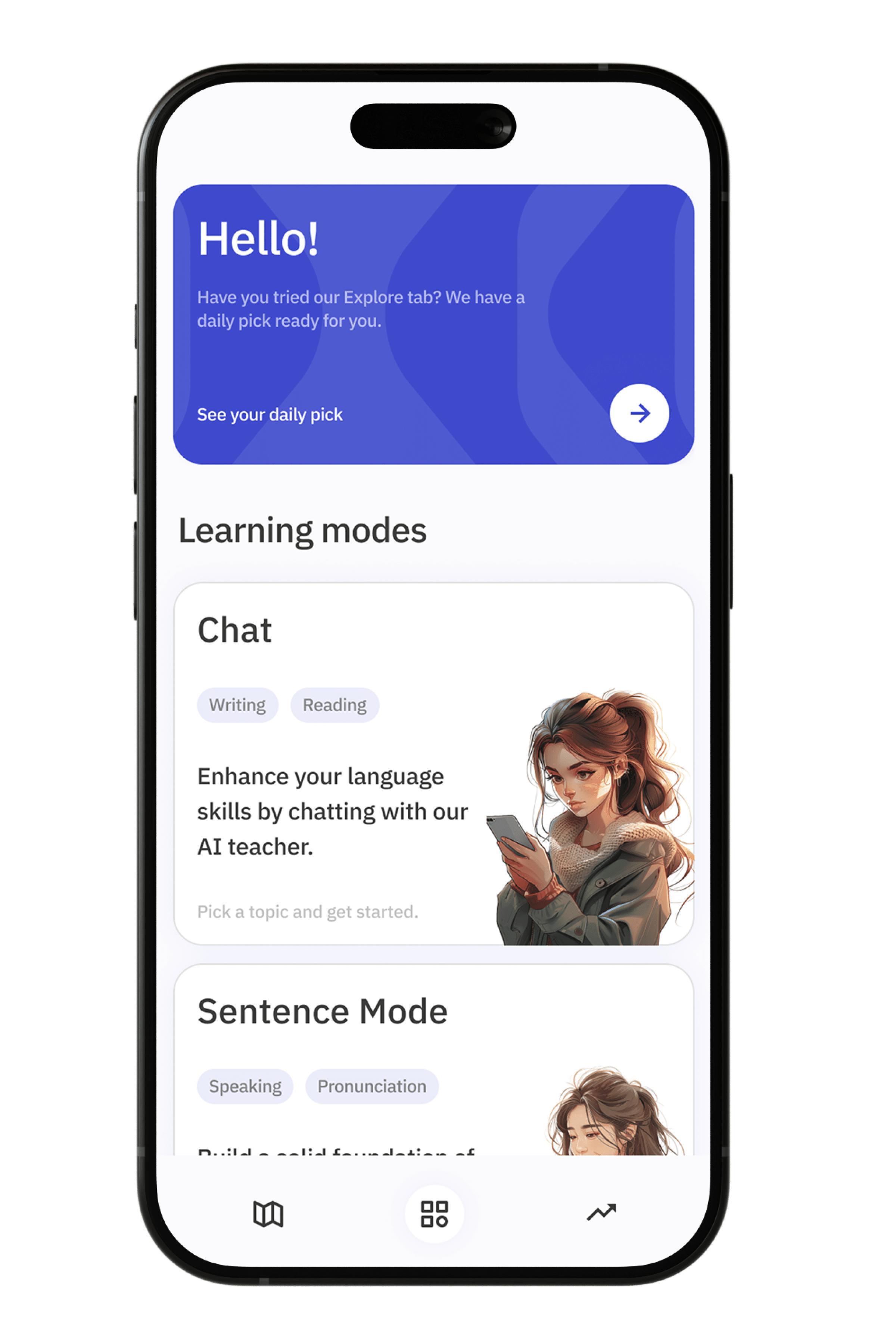
Talkpal is AI-powered language tutor. Master 50+ languages with personalized lessons and cutting-edge technology.