
Pick a language and start learning!






Formas comparativas de adjetivos largos Ejercicios en idioma ingles

El aprendizaje de las formas comparativas de adjetivos largos en inglés es esencial para expresar diferencias entre dos o más elementos de manera efectiva y precisa. A diferencia de los adjetivos cortos, que suelen formar sus comparativos añadiendo "-er" al final, los adjetivos largos requieren el uso de "more" antes del adjetivo para formar el comparativo. Por ejemplo, en lugar de decir "intelligenter" para "más inteligente", decimos "more intelligent". Esta regla se aplica a adjetivos de dos sílabas o más, como "beautiful" (hermoso), "difficult" (difícil) y "expensive" (caro), transformándolos en "more beautiful", "more difficult" y "more expensive", respectivamente.
En esta sección, encontrarás una variedad de ejercicios diseñados para ayudarte a dominar el uso correcto de las formas comparativas de adjetivos largos en inglés. Los ejercicios están estructurados para cubrir diferentes niveles de dificultad, permitiéndote practicar tanto en contextos simples como en oraciones más complejas. A través de estos ejercicios, desarrollarás una mayor confianza y fluidez en tu capacidad para comparar elementos de manera precisa y natural en inglés, una habilidad fundamental para la comunicación efectiva en este idioma.
Exercise 1
<p>1. This book is *more interesting* than the one I read last week (interesante).</p>
<p>2. The new teacher is *more knowledgeable* than the previous one (conocedor).</p>
<p>3. Her explanation was *more detailed* than his (detallado).</p>
<p>4. This exercise is *more challenging* than the last one (desafiante).</p>
<p>5. The documentary was *more informative* than the news report (informativo).</p>
<p>6. His presentation was *more impressive* than hers (impresionante).</p>
<p>7. The solution we found is *more effective* than the original one (efectivo).</p>
<p>8. This movie is *more entertaining* than the one we watched yesterday (entretenido).</p>
<p>9. The final exam was *more difficult* than the midterm (difícil).</p>
<p>10. Her argument was *more convincing* than mine (convincente).</p>
Exercise 2
<p>1. She thinks that her new job is *more challenging* than her previous one (más desafiante).</p>
<p>2. The book was *more interesting* than the movie adaptation (más interesante).</p>
<p>3. This year’s festival was *more exciting* than last year’s (más emocionante).</p>
<p>4. His explanation was *more detailed* than the teacher's (más detallada).</p>
<p>5. The new phone model is *more expensive* than the old one (más caro).</p>
<p>6. This recipe is *more complicated* than I expected (más complicada).</p>
<p>7. Her performance was *more impressive* than anyone else's (más impresionante).</p>
<p>8. The mountain trail was *more challenging* than the city park path (más desafiante).</p>
<p>9. The sequel was *more entertaining* than the original film (más entretenida).</p>
<p>10. His latest novel is *more captivating* than his previous works (más cautivadora).</p>
Exercise 3
<p>1. My sister is *more intelligent* than me (más + adjetivo + que).</p>
<p>2. This book is *more interesting* than the one I read last month (más + adjetivo + que).</p>
<p>3. The movie was *more exciting* than I expected (más + adjetivo + que).</p>
<p>4. Her new dress is *more beautiful* than the one she wore to the party (más + adjetivo + que).</p>
<p>5. The test was *more difficult* than the previous one (más + adjetivo + que).</p>
<p>6. This year's festival was *more successful* than last year's (más + adjetivo + que).</p>
<p>7. His explanation was *more comprehensive* than the textbook (más + adjetivo + que).</p>
<p>8. The latest model is *more expensive* than the older version (más + adjetivo + que).</p>
<p>9. Her speech was *more inspiring* than any we had heard before (más + adjetivo + que).</p>
<p>10. The new restaurant is *more popular* than the old one (más + adjetivo + que).</p>
Learn a Language 5x Faster with AI
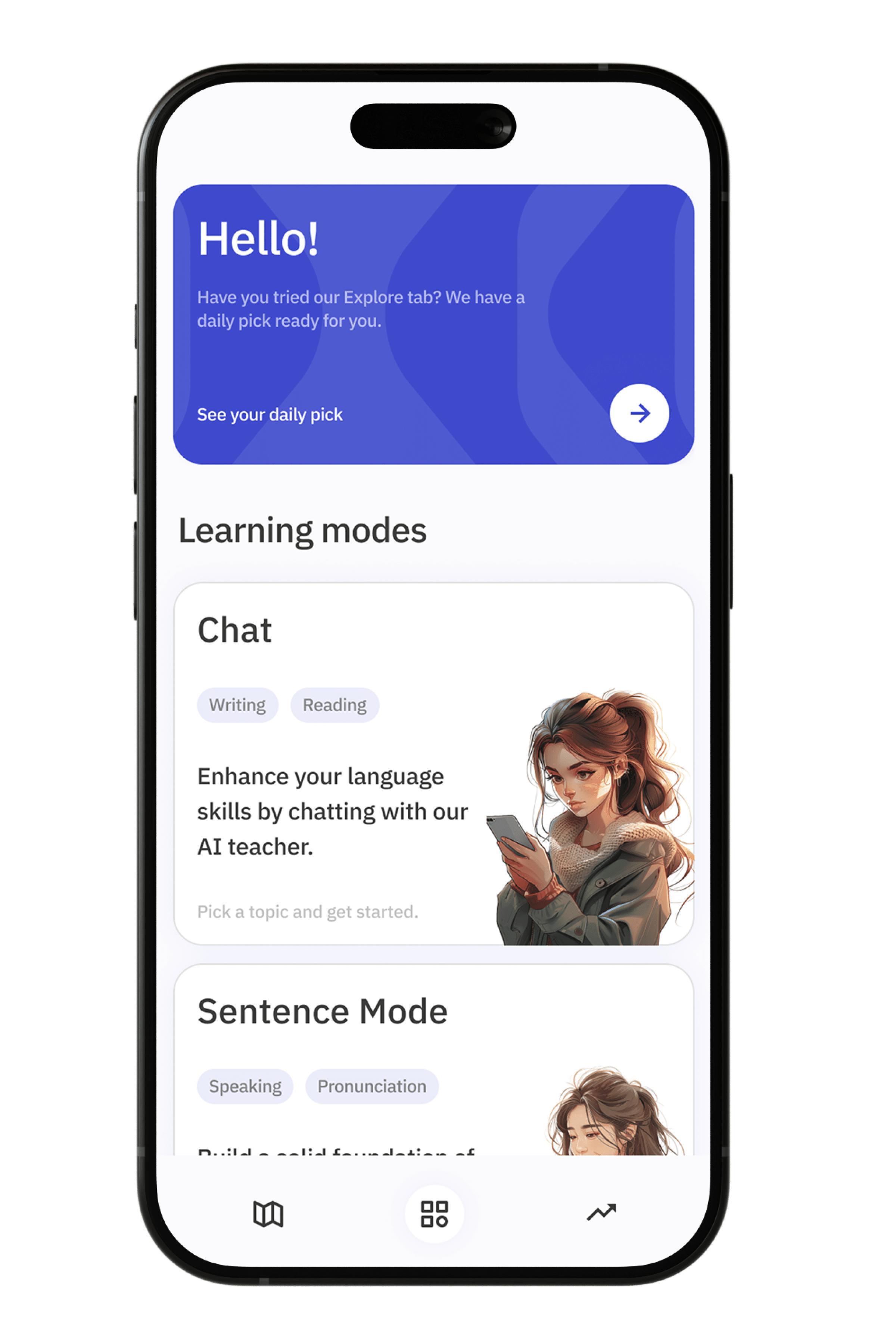
Talkpal is AI-powered language tutor. Master 50+ languages with personalized lessons and cutting-edge technology.