
Pick a language and start learning!






Futuuri perfekti tulevaisuudessa, päättyneille toimille Harjoitukset englannin kielellä

Futuuri perfekti on englannin kieliopin aikamuoto, joka ilmaisee tulevaisuudessa päättyneet toimet. Se muodostetaan käyttämällä apuverbiä "will have" ja pääverbin partisiipin perfektiä (esimerkiksi "will have done"). Tämä aikamuoto on erityisen hyödyllinen, kun halutaan korostaa, että tietty tapahtuma tai toiminto on saatu päätökseen ennen toista tulevaisuudessa tapahtuvaa asiaa. Esimerkiksi: "By the time you arrive, I will have finished my homework" (Kun saavut, olen saanut kotitehtäväni valmiiksi).
Harjoitusten avulla opit käyttämään futuuri perfektiä sujuvasti ja oikein erilaisissa lauseyhteyksissä. Näiden harjoitusten avulla voit myös syventää ymmärrystäsi siitä, miten tätä aikamuotoa käytetään erityisesti englannin kielessä, ja kuinka se eroaa muista aikamuodoista. Harjoitukset ovat suunniteltu auttamaan sinua tunnistamaan ja muodostamaan oikeita futuuri perfekti -lauseita, jotta voit kommunikoida tarkasti ja tehokkaasti tulevaisuuden tapahtumista.
Exercise 1
<p>1. By this time next year, they *will have finished* their studies (valmistua).</p>
<p>2. We *will have moved* to a new house by the end of this month (muuttaa).</p>
<p>3. She *will have written* her thesis before the summer vacation starts (kirjoittaa).</p>
<p>4. They *will have completed* the project by the deadline (saada valmiiksi).</p>
<p>5. He *will have learned* to speak French fluently by the time he moves to Paris (oppia).</p>
<p>6. By the time you arrive, I *will have cooked* dinner (tehdä ruokaa).</p>
<p>7. The company *will have launched* the new product by the end of the quarter (lanseerata).</p>
<p>8. We *will have visited* all the major tourist attractions by the end of our trip (vierailla).</p>
<p>9. By next spring, the construction work *will have been completed* (valmistua).</p>
<p>10. She *will have read* all the books on her reading list by the end of the year (lukea).</p>
Exercise 2
<p>1. By this time next year, they *will have completed* the new bridge (valmis).</p>
<p>2. She *will have finished* her homework by the time you arrive (tehty).</p>
<p>3. We *will have moved* to a new house before the summer starts (muuttaa).</p>
<p>4. He *will have graduated* from university by the end of next year (valmistua).</p>
<p>5. By the end of the week, you *will have read* the entire book (lukea).</p>
<p>6. They *will have traveled* to five different countries by the end of their trip (matkustaa).</p>
<p>7. By the time she comes back, we *will have eaten* all the cookies (syödä).</p>
<p>8. By next month, he *will have saved* enough money for a new car (säästää).</p>
<p>9. By the time the meeting starts, everyone *will have received* the agenda (saada).</p>
<p>10. We *will have learned* all the grammar rules by the end of the course (oppia).</p>
Exercise 3
<p>1. By the time you arrive, I *will have finished* my homework (verb for completing a task).</p>
<p>2. They *will have built* the new bridge by next summer (verb for constructing something).</p>
<p>3. She *will have written* the report before the meeting starts (verb for creating a document).</p>
<p>4. By next week, he *will have moved* to his new apartment (verb for relocating).</p>
<p>5. We *will have completed* the project by the end of the month (verb for finalizing a task).</p>
<p>6. The movie *will have ended* by the time you get home (verb for concluding).</p>
<p>7. By next year, they *will have visited* all the continents (verb for traveling to places).</p>
<p>8. She *will have learned* French by the time she goes to Paris (verb for acquiring knowledge).</p>
<p>9. The team *will have won* the championship by the end of the season (verb for achieving victory).</p>
<p>10. He *will have retired* by the time he turns 65 (verb for stopping work).</p>
Learn a Language 5x Faster with AI
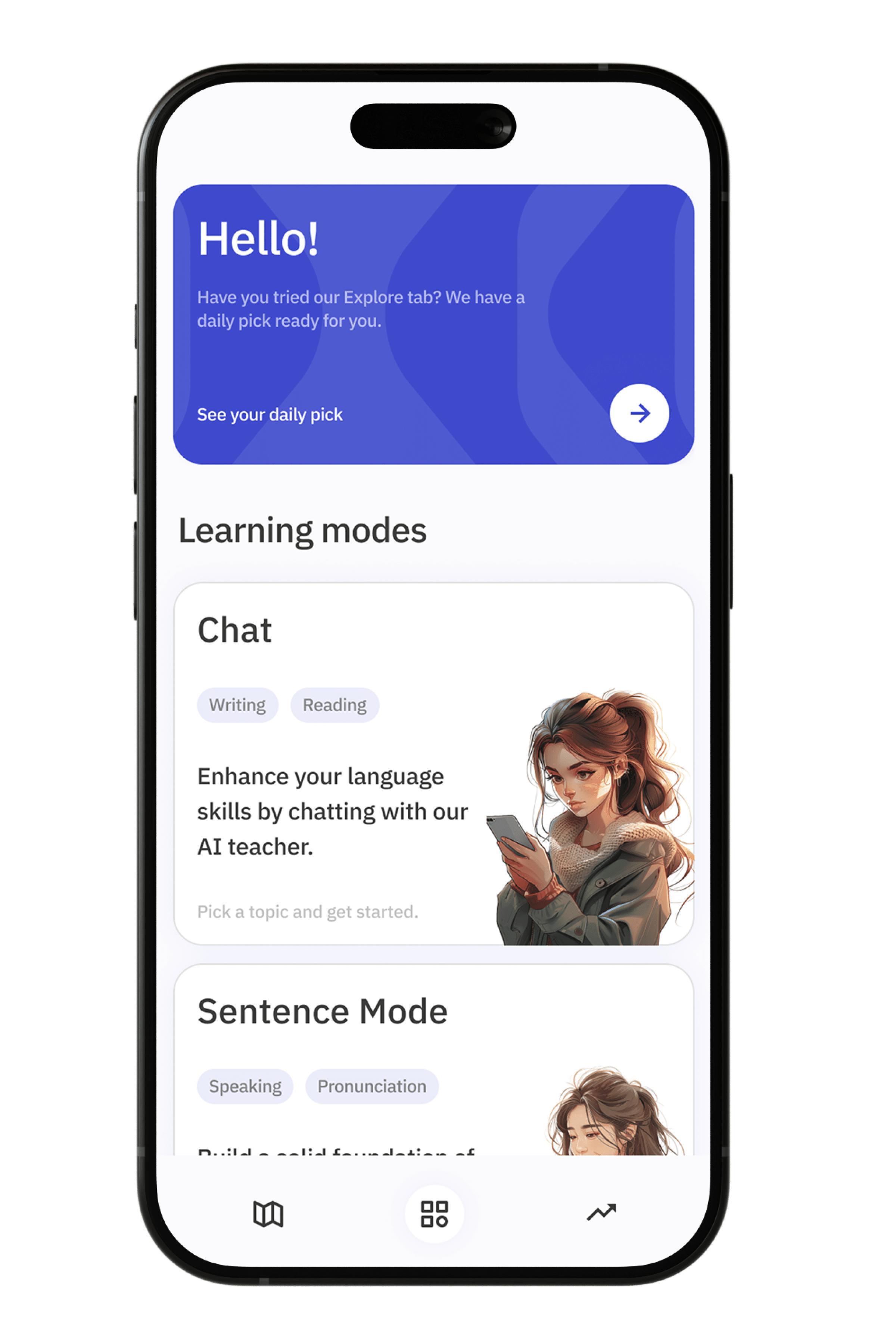
Talkpal is AI-powered language tutor. Master 50+ languages with personalized lessons and cutting-edge technology.