
Pick a language and start learning!






Futur parfait pour les actions terminées avant un moment futur Des exercices en langue anglaise

Le futur parfait, également connu sous le nom de futur antérieur, est un temps verbal essentiel en français pour exprimer des actions qui seront achevées avant un moment spécifique dans le futur. Il est souvent utilisé pour indiquer une séquence d'événements, permettant aux locuteurs de clarifier l'ordre dans lequel les actions se produiront. Par exemple, "Quand tu arriveras, j'aurai déjà fini mon travail" signifie que l'action de finir le travail sera complétée avant l'arrivée de l'autre personne.
Maîtriser le futur parfait est crucial pour parler et écrire avec précision en français. Ce temps se forme en combinant l'auxiliaire "avoir" ou "être" au futur simple avec le participe passé du verbe principal. Les exercices suivants sont conçus pour vous aider à pratiquer et à renforcer votre compréhension de cette construction grammaticale. En vous exerçant régulièrement, vous serez en mesure de décrire des événements futurs avec plus de clarté et de précision.
Exercise 1
<p>1. By 8 PM tonight, she will *have finished* her homework (finir).</p>
<p>2. By next year, they will *have built* a new house (construire).</p>
<p>3. He will *have completed* the project by the time you arrive (compléter).</p>
<p>4. By the time we get to the party, they will *have started* eating (commencer).</p>
<p>5. She will *have learned* five languages by the end of the decade (apprendre).</p>
<p>6. By the time you read this, I will *have left* the city (quitter).</p>
<p>7. We will *have visited* all the museums by tomorrow evening (visiter).</p>
<p>8. By the end of this month, he will *have read* twenty books (lire).</p>
<p>9. They will *have traveled* around the world by the end of the year (voyager).</p>
<p>10. By the time the sun sets, we will *have climbed* the mountain (grimper).</p>
Exercise 2
<p>1. By this time next year, she *will have graduated* from university. (verbe pour obtenir un diplôme)</p>
<p>2. When you arrive at the party, they *will have already eaten* dinner. (verbe pour manger)</p>
<p>3. By the end of the week, he *will have completed* the project. (verbe pour finir)</p>
<p>4. By the time you wake up tomorrow, we *will have left* for the airport. (verbe pour partir)</p>
<p>5. She *will have written* the report before the meeting starts. (verbe pour rédiger)</p>
<p>6. By the time the movie starts, they *will have finished* their homework. (verbe pour terminer)</p>
<p>7. The builders *will have constructed* the house by the end of the month. (verbe pour bâtir)</p>
<p>8. By the end of this century, scientists *will have discovered* new planets. (verbe pour trouver)</p>
<p>9. They *will have traveled* to five countries by the time they return. (verbe pour visiter différents endroits)</p>
<p>10. By the time you read this, I *will have landed* safely. (verbe pour arriver en avion)</p>
Exercise 3
<p>1. By this time next year, she will *have graduated* from university (verbe pour obtenir son diplôme).</p>
<p>2. They will *have finished* painting the house by the end of the week (verbe pour terminer un travail).</p>
<p>3. He will *have completed* the project before the deadline (verbe pour accomplir une tâche).</p>
<p>4. We will *have traveled* to five different countries by the end of the summer (verbe pour voyager).</p>
<p>5. You will *have read* all the books on the list by the end of the semester (verbe pour lire).</p>
<p>6. By the time the guests arrive, she will *have cooked* dinner (verbe pour préparer un repas).</p>
<p>7. He will *have learned* to speak Spanish fluently before moving to Spain (verbe pour apprendre une langue).</p>
<p>8. They will *have saved* enough money to buy a house by the time they get married (verbe pour économiser).</p>
<p>9. We will *have written* our reports by the end of the day (verbe pour écrire).</p>
<p>10. She will *have exercised* every day for a month by the time her birthday arrives (verbe pour faire de l'exercice).</p>
Learn a Language 5x Faster with AI
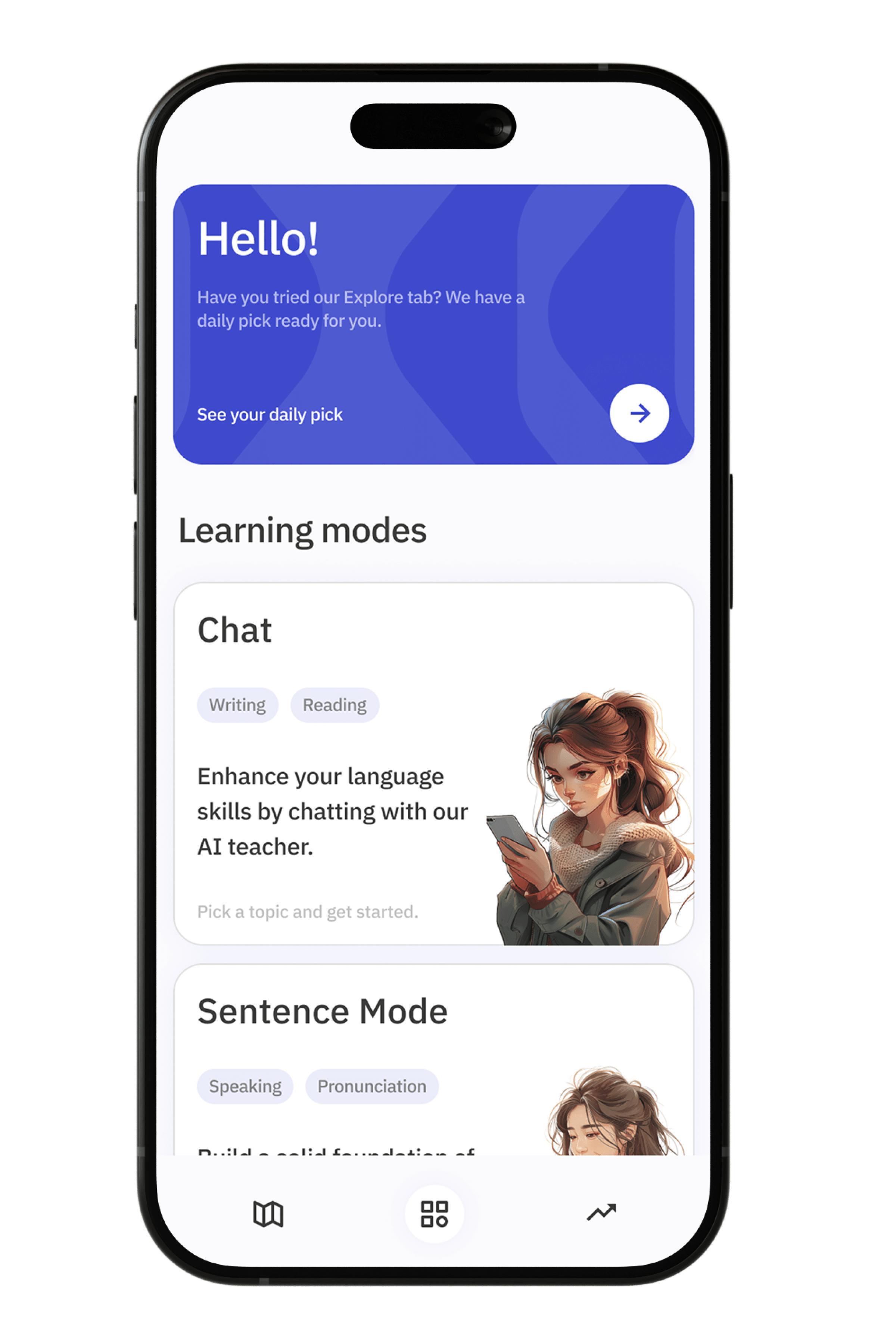
Talkpal is AI-powered language tutor. Master 50+ languages with personalized lessons and cutting-edge technology.