
Pick a language and start learning!






Passé simple Des exercices en langue anglaise
Le passé simple, souvent réservé à la littérature et aux écrits formels, est un temps du passé qui exprime des actions terminées et délimitées dans le temps. Contrairement à l'imparfait, qui décrit des actions habituelles ou des états continus, le passé simple se concentre sur des événements ponctuels et précis. La maîtrise de ce temps est essentielle pour une compréhension approfondie de la littérature française, ainsi que pour enrichir son propre style d'écriture.
Dans cette section, nous vous proposons une série d'exercices variés pour vous familiariser avec la conjugaison et l'utilisation du passé simple. Que vous soyez débutant ou que vous souhaitiez simplement rafraîchir vos connaissances, nos activités sont conçues pour vous aider à intégrer ce temps dans votre répertoire linguistique. Préparez-vous à découvrir des textes captivants tout en améliorant votre compétence en conjugaison et en compréhension du passé simple.
Exercise 1
<p>1. She *read* the book in one day (verb for lire).</p>
<p>2. They *arrived* at the party late (verb for arriver).</p>
<p>3. He *wrote* a letter to his friend (verb for écrire).</p>
<p>4. We *saw* a beautiful sunset yesterday (verb for voir).</p>
<p>5. The company *launched* a new product last month (verb for lancer).</p>
<p>6. She *became* a famous artist after many years (verb for devenir).</p>
<p>7. They *chose* the blue paint for the walls (verb for choisir).</p>
<p>8. He *finished* his homework before dinner (verb for finir).</p>
<p>9. We *built* a sandcastle on the beach (verb for construire).</p>
<p>10. She *began* her career in medicine (verb for commencer).</p>
Exercise 2
<p>1. He *arrived* at the station just in time (verbe pour arriver).</p>
<p>2. She *finished* her homework before dinner (verbe pour terminer).</p>
<p>3. They *discussed* the project during the meeting (verbe pour discuter).</p>
<p>4. We *traveled* to Paris last summer (verbe pour voyager).</p>
<p>5. The artist *painted* a beautiful mural on the wall (verbe pour peindre).</p>
<p>6. He *wrote* a letter to his friend (verbe pour écrire).</p>
<p>7. She *learned* to play the piano as a child (verbe pour apprendre).</p>
<p>8. They *built* a new house in the countryside (verbe pour construire).</p>
<p>9. We *watched* a movie together last night (verbe pour regarder).</p>
<p>10. The chef *cooked* a delicious meal for the guests (verbe pour cuisiner).</p>
Exercise 3
<p>1. Yesterday, he *walked* to the park (past tense of "to walk"). Clue: se promener.</p>
<p>2. She *studied* all night for the exam (past tense of "to study"). Clue: étudier.</p>
<p>3. They *played* soccer in the rain (past tense of "to play"). Clue: jouer.</p>
<p>4. The cat *jumped* over the fence (past tense of "to jump"). Clue: sauter.</p>
<p>5. We *cooked* dinner together last night (past tense of "to cook"). Clue: cuisiner.</p>
<p>6. He *sang* a beautiful song at the concert (past tense of "to sing"). Clue: chanter.</p>
<p>7. She *read* the entire book in one day (past tense of "to read"). Clue: lire.</p>
<p>8. They *traveled* to France last summer (past tense of "to travel"). Clue: voyager.</p>
<p>9. I *wrote* a letter to my friend (past tense of "to write"). Clue: écrire.</p>
<p>10. The dog *barked* loudly at the stranger (past tense of "to bark"). Clue: aboyer.</p>
Learn a Language 5x Faster with AI
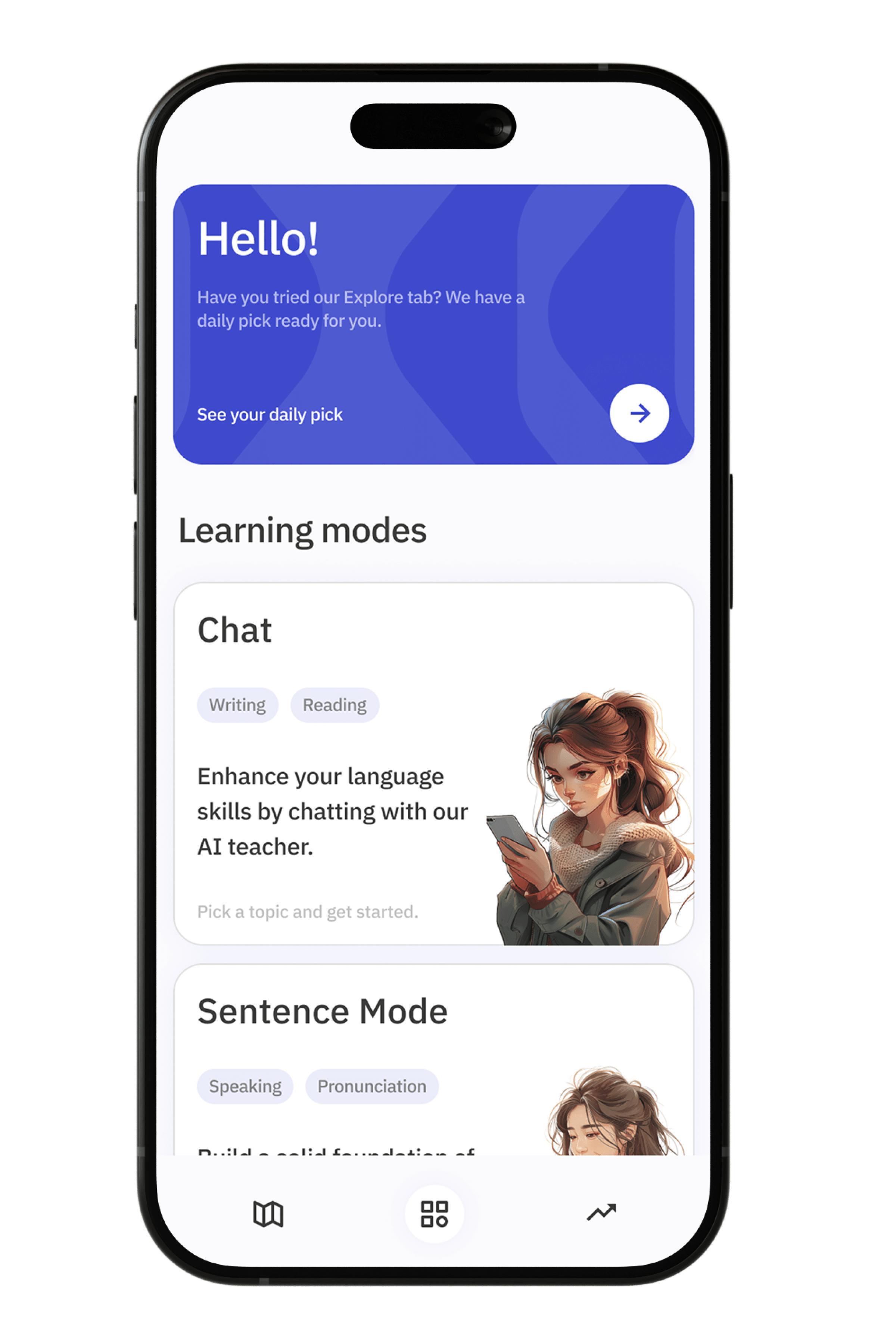
Talkpal is AI-powered language tutor. Master 50+ languages with personalized lessons and cutting-edge technology.