
Pick a language and start learning!






Passé simple pour les actions terminées Des exercices en langue anglaise

Le passé simple est un temps verbal souvent utilisé dans la littérature française pour décrire des actions qui se sont achevées dans le passé. Bien que son usage soit rare dans la conversation courante, il reste essentiel pour comprendre et apprécier les œuvres littéraires classiques. Ce temps permet de situer une action dans un passé lointain ou de marquer une rupture nette avec le présent. Maîtriser le passé simple est donc indispensable pour ceux qui souhaitent approfondir leur connaissance du français écrit et enrichir leur compréhension des textes historiques et littéraires.
Nos exercices de grammaire sur le passé simple vous aideront à reconnaître et à utiliser correctement ce temps verbal. Vous découvrirez les terminaisons spécifiques à chaque groupe de verbes, ainsi que les verbes irréguliers qui ne suivent pas les règles habituelles. À travers des exercices pratiques et des exemples tirés de la littérature, vous pourrez renforcer vos compétences linguistiques et gagner en confiance dans l'utilisation du passé simple. Plongez dans l'univers du passé simple et perfectionnez votre maîtrise du français écrit!
Exercise 1
<p>1. She *finished* her homework before dinner (verbe pour compléter une tâche).</p>
<p>2. They *built* a new house last year (verbe pour construire).</p>
<p>3. He *wrote* a letter to his friend yesterday (verbe pour écrire).</p>
<p>4. We *traveled* to Paris in the summer (verbe pour voyager).</p>
<p>5. The artist *painted* a beautiful landscape (verbe pour créer une œuvre d'art).</p>
<p>6. The chef *prepared* a delicious meal for the guests (verbe pour cuisiner).</p>
<p>7. She *read* an interesting book last weekend (verbe pour lire).</p>
<p>8. They *played* soccer in the park (verbe pour participer à un sport).</p>
<p>9. He *studied* for the exam all night (verbe pour réviser).</p>
<p>10. We *celebrated* her birthday with a big party (verbe pour fêter un événement).</p>
Exercise 2
<p>1. He *wrote* a letter to his friend yesterday (past action of writing).</p>
<p>2. They *built* a new house last summer (past action of construction).</p>
<p>3. She *cooked* dinner for the family last night (past action of preparing food).</p>
<p>4. We *visited* the museum on our trip to Paris (past action of going to a place).</p>
<p>5. He *finished* his homework before dinner (past action of completing a task).</p>
<p>6. The company *launched* a new product last year (past action of starting something).</p>
<p>7. She *read* the entire book in one day (past action of reading).</p>
<p>8. They *played* soccer in the park last weekend (past action of participating in a game).</p>
<p>9. He *painted* the fence last Saturday (past action of applying color to a surface).</p>
<p>10. We *celebrated* her birthday with a big party (past action of having a celebration).</p>
Exercise 3
<p>1. He *wrote* a letter to his friend (verb for writing).</p>
<p>2. She *traveled* to Paris last summer (verb for going to a place).</p>
<p>3. They *finished* their homework before dinner (verb for completing a task).</p>
<p>4. The cat *jumped* over the fence (verb for moving upwards).</p>
<p>5. We *visited* the museum last weekend (verb for seeing a place).</p>
<p>6. John *cooked* dinner for his family yesterday (verb for preparing food).</p>
<p>7. The team *won* the championship last year (verb for achieving victory).</p>
<p>8. She *read* the entire book in one day (verb for looking at and understanding words).</p>
<p>9. They *built* a new house in the countryside (verb for constructing something).</p>
<p>10. He *played* the piano at the concert (verb for performing music).</p>
Learn a Language 5x Faster with AI
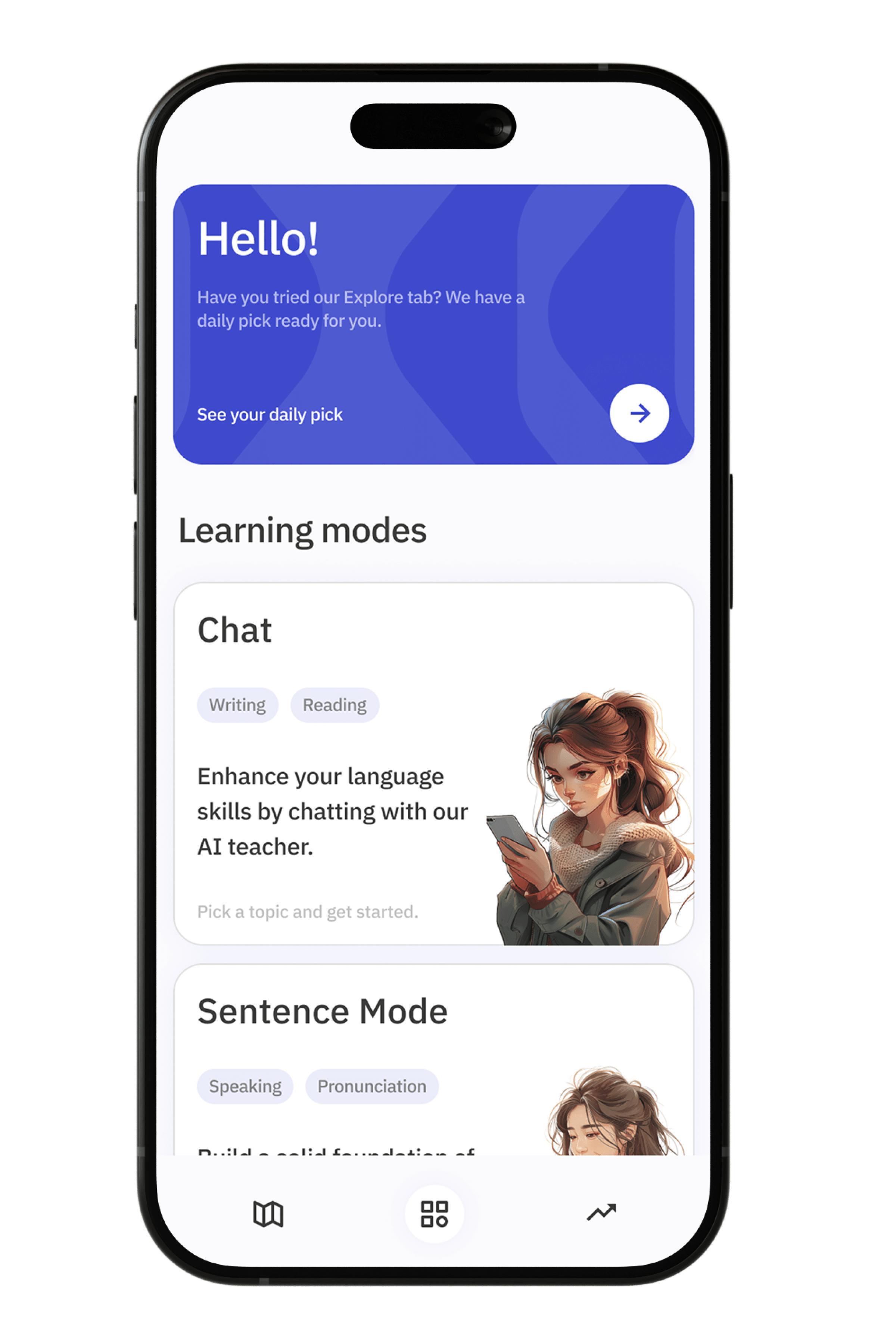
Talkpal is AI-powered language tutor. Master 50+ languages with personalized lessons and cutting-edge technology.