
Pick a language and start learning!






Agreement of adjectives in gender and number Exercises in Spanish language

Understanding the agreement of adjectives in gender and number is essential for mastering Spanish grammar. In Spanish, adjectives must match the gender (masculine or feminine) and number (singular or plural) of the nouns they describe. This agreement ensures that sentences are grammatically correct and clear in meaning. For instance, a singular feminine noun like "casa" (house) would require a singular feminine adjective, such as "bonita" (pretty), resulting in "casa bonita." Similarly, a plural masculine noun like "libros" (books) would need a plural masculine adjective, such as "interesantes" (interesting), to form "libros interesantes."
The rules governing these agreements may seem complex at first, but with practice, they become second nature. Adjectives ending in -o typically change to -a for feminine nouns and add -s or -es for plural forms, while those ending in -e or a consonant usually remain the same for both genders but change in number. Through a variety of exercises, you will gain confidence in identifying and applying these rules, enhancing your ability to communicate accurately and effectively in Spanish. Dive into the exercises provided and watch your understanding of adjective agreement flourish!
Exercise 1
<p>1. La casa es muy *grande* (adjective to describe a large house).</p>
<p>2. Los niños son muy *inteligentes* (adjective to describe smart children).</p>
<p>3. La profesora es muy *simpática* (adjective to describe a kind female teacher).</p>
<p>4. Las flores son *hermosas* (adjective to describe beautiful flowers).</p>
<p>5. El perro es *pequeño* (adjective to describe a small dog).</p>
<p>6. El hombre es muy *alto* (adjective to describe a tall man).</p>
<p>7. Las montañas son muy *altas* (adjective to describe tall mountains).</p>
<p>8. Los gatos son muy *perezosos* (adjective to describe lazy cats).</p>
<p>9. La comida está *deliciosa* (adjective to describe delicious food).</p>
<p>10. Los libros son muy *interesantes* (adjective to describe interesting books).</p>
Exercise 2
<p>1. La casa es muy *grande* (adjective for a big house).</p>
<p>2. Los niños están *contentos* porque van al parque (adjective for happy kids).</p>
<p>3. La profesora es *inteligente* y simpática (adjective for a smart female teacher).</p>
<p>4. Las flores son *hermosas* en primavera (adjective for beautiful flowers).</p>
<p>5. El perro está *cansado* después de correr (adjective for a tired male dog).</p>
<p>6. Las estudiantes son muy *trabajadoras* (adjective for hard-working female students).</p>
<p>7. El coche rojo es *rápido* (adjective for a fast car).</p>
<p>8. Las montañas son *altas* y majestuosas (adjective for tall mountains).</p>
<p>9. El libro es *interesante* y educativo (adjective for an interesting book).</p>
<p>10. Los gatos son *pequeños* y juguetones (adjective for small male cats).</p>
Exercise 3
<p>1. La casa es muy *grande* (big, feminine singular).</p>
<p>2. Los perros son *traviesos* (mischievous, masculine plural).</p>
<p>3. Las flores son muy *hermosas* (beautiful, feminine plural).</p>
<p>4. El libro es *interesante* (interesting, masculine singular).</p>
<p>5. Mis amigos son *divertidos* (fun, masculine plural).</p>
<p>6. La comida está *deliciosa* (delicious, feminine singular).</p>
<p>7. Los gatos son muy *perezosos* (lazy, masculine plural).</p>
<p>8. Las chicas son *inteligentes* (intelligent, feminine plural).</p>
<p>9. El coche es *rápido* (fast, masculine singular).</p>
<p>10. Los estudiantes son muy *trabajadores* (hardworking, masculine plural).</p>
Learn a Language 5x Faster with AI
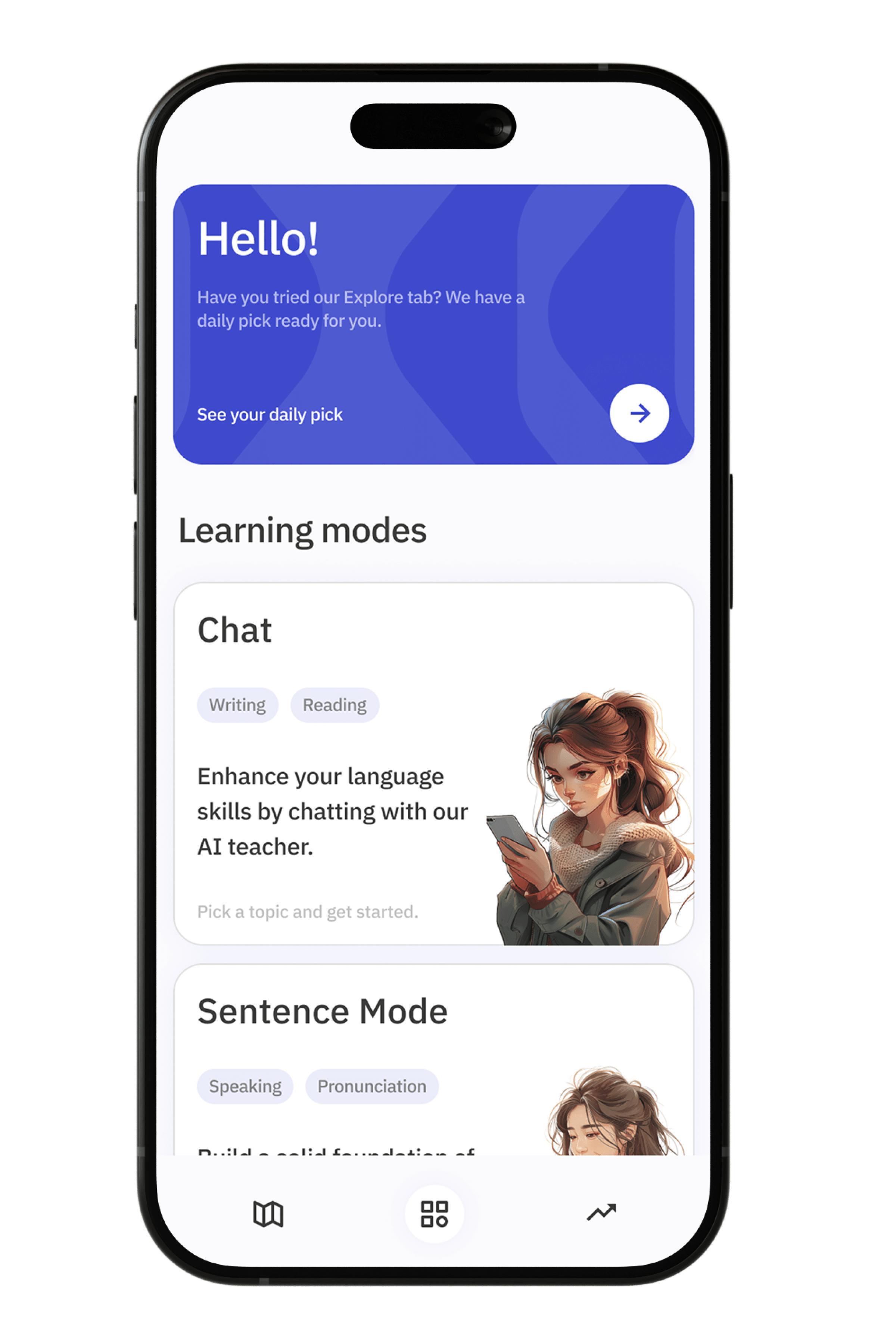
Talkpal is AI-powered language tutor. Master 50+ languages with personalized lessons and cutting-edge technology.