
Pick a language and start learning!






Auxiliary verbs usage Exercises in Croatian language

Mastering auxiliary verbs is crucial for achieving fluency in the Croatian language. Auxiliary verbs, such as "biti" (to be), "htjeti" (to want), "moći" (to be able to), and "morati" (must), play a significant role in forming various tenses, moods, and voices. Understanding their correct usage will not only enhance your grammatical accuracy but also improve your overall communication skills. These exercises are designed to help you practice and internalize the different forms and functions of Croatian auxiliary verbs, ensuring you can apply them confidently in both written and spoken contexts.
In Croatian, auxiliary verbs often combine with main verbs to create compound tenses and convey nuances of meaning that single verbs cannot express on their own. For instance, the verb "biti" is essential for forming the past tense, while "htjeti" is used to express future intentions. This section provides a range of exercises that will guide you through the complexities of auxiliary verb usage, from basic conjugations to more advanced applications. By engaging with these exercises, you will develop a deeper understanding of how auxiliary verbs operate within the Croatian language, paving the way for more sophisticated and nuanced expression.
Exercise 1
<p>1. On *je* moj brat (auxiliary verb for "is").</p>
<p>2. Mi *smo* iz Hrvatske (auxiliary verb for "are" in plural form). </p>
<p>3. Oni *su* na odmoru (auxiliary verb for "are" in plural form). </p>
<p>4. Ti *si* bio u pravu (auxiliary verb for "are" in singular form). </p>
<p>5. Ona *je* učiteljica (auxiliary verb for "is" for feminine singular). </p>
<p>6. Vi *ste* prijatelji (auxiliary verb for "are" for formal/plural form). </p>
<p>7. Ja *sam* umoran (auxiliary verb for "am"). </p>
<p>8. Mi *ćemo* ići na plažu (auxiliary verb for "will" in plural form). </p>
<p>9. Ona *će* doći kasnije (auxiliary verb for "will" for feminine singular). </p>
<p>10. Oni *su* već stigli (auxiliary verb for "are" in plural form). </p>
Exercise 2
<p>1. On *je* dobar prijatelj (he is).</p>
<p>2. Mi *smo* spremni za putovanje (we are).</p>
<p>3. Ona *će* biti kod kuće sutra (she will).</p>
<p>4. Ti *si* učiteljica (you are, singular).</p>
<p>5. Oni *su* uspješni poduzetnici (they are, plural).</p>
<p>6. Ja *ću* napraviti zadaću kasnije (I will).</p>
<p>7. Vi *ste* uvijek ljubazni (you are, plural).</p>
<p>8. On *je* bio bolestan jučer (he was).</p>
<p>9. Mi *ćemo* se vidjeti sutra (we will).</p>
<p>10. Ona *je* umorna nakon posla (she is).</p>
Exercise 3
<p>1. On *je* doktor (verb for being).</p>
<p>2. Mi *smo* studenti (verb for being).</p>
<p>3. Ona *je* u školi (verb for being).</p>
<p>4. Oni *su* prijatelji (verb for being).</p>
<p>5. Ti *si* umoran (verb for being).</p>
<p>6. Ja *sam* sretan (verb for being).</p>
<p>7. Vi *ste* učitelji (verb for being).</p>
<p>8. Ona *je* na poslu (verb for being).</p>
<p>9. Mi *jesmo* spremni (verb for being, emphasizing readiness).</p>
<p>10. Ti *jeste* odgovorni za ovo (verb for being, emphasizing responsibility).</p>
Learn a Language 5x Faster with AI
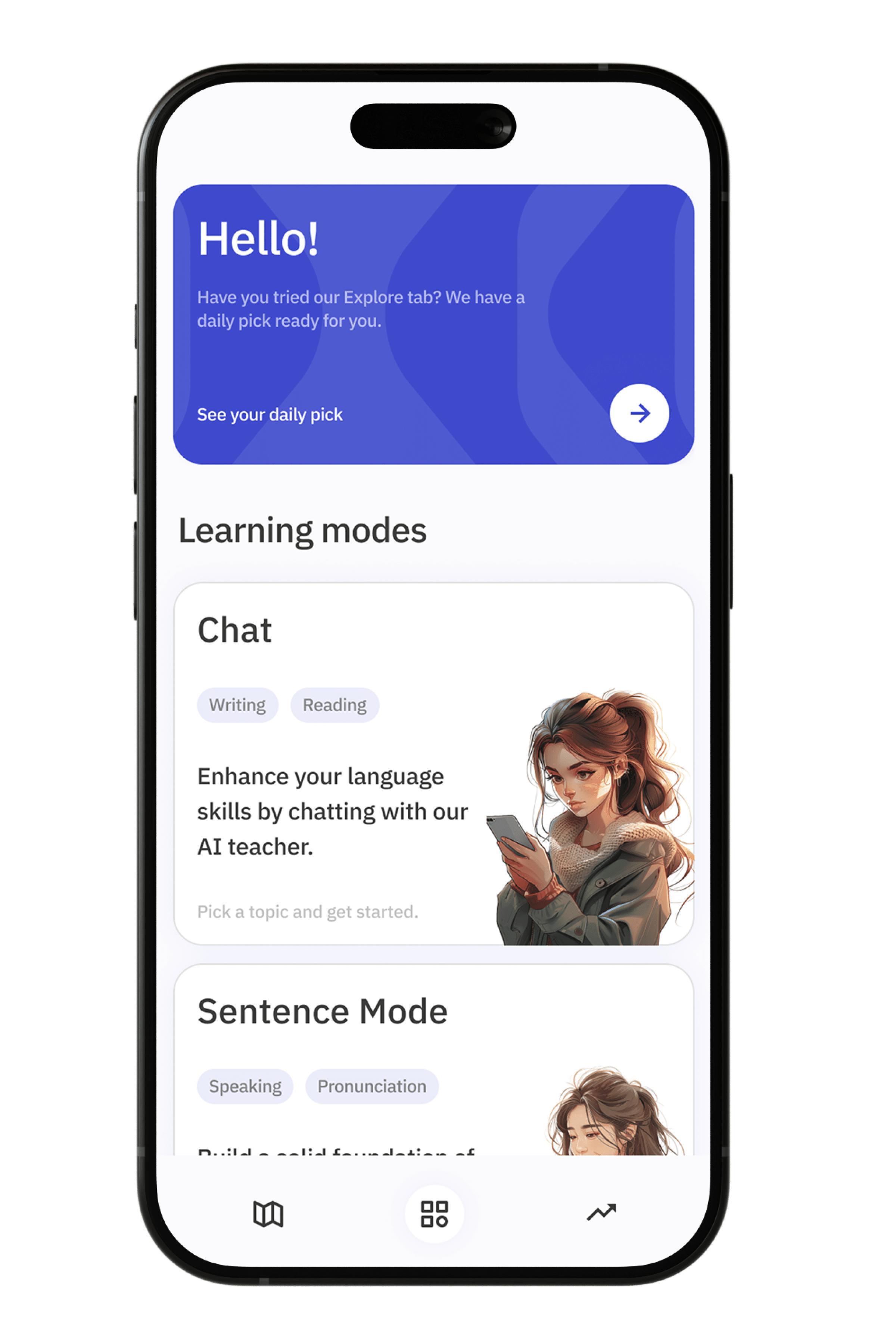
Talkpal is AI-powered language tutor. Master 50+ languages with personalized lessons and cutting-edge technology.