
Pick a language and start learning!






Comparative Adverbs Exercises in German language

Mastering comparative adverbs in German can significantly enhance your ability to express nuanced differences in actions and qualities. Unlike comparative adjectives, which modify nouns, comparative adverbs modify verbs, adjectives, or other adverbs, providing deeper insight into how something is done or to what extent. Understanding and using these adverbs correctly will allow you to convey comparisons with precision, whether you're discussing how quickly someone runs ("schneller") or how well someone performs a task ("besser").
In German, the formation of comparative adverbs often involves the addition of the suffix "-er" to the base form of the adverb, similar to how adjectives are modified. However, it's important to be aware of irregular forms and exceptions to these rules. Through a variety of exercises, you will become familiar with common comparative adverbs and practice applying them in different contexts. By doing so, you’ll not only improve your grammatical accuracy but also gain confidence in making more sophisticated comparisons in German.
Exercise 1
<p>1. Der Hund läuft *schneller* als die Katze (adverb for 'more quickly').</p>
<p>2. Sie spricht *deutlicher* als ihre Schwester (adverb for 'more clearly').</p>
<p>3. Er arbeitet *effizienter* als sein Kollege (adverb for 'more efficiently').</p>
<p>4. Das Flugzeug fliegt *höher* als der Vogel (adverb for 'higher').</p>
<p>5. Die Sonne scheint *heller* im Sommer als im Winter (adverb for 'brighter').</p>
<p>6. Er kommt *früher* als erwartet an (adverb for 'earlier').</p>
<p>7. Sie tanzt *besser* als ihre Freunde (adverb for 'better').</p>
<p>8. Das Auto fährt *schneller* als das Fahrrad (adverb for 'faster').</p>
<p>9. Er spricht *langsamer* als seine Schwester (adverb for 'more slowly').</p>
<p>10. Die Blume wächst *schneller* im Frühling als im Herbst (adverb for 'more quickly').</p>
Exercise 2
<p>1. He speaks *schneller* than his brother (adverb for 'fast').</p>
<p>2. She works *härter* than anyone else in the office (adverb for 'hard').</p>
<p>3. The car moves *langsamer* in the rain (adverb for 'slow').</p>
<p>4. They run *weiter* than their friends during training (adverb for 'far').</p>
<p>5. The bird flies *höher* than the kite (adverb for 'high').</p>
<p>6. She understands the material *besser* than her classmates (adverb for 'well').</p>
<p>7. The train arrives *später* than usual on weekends (adverb for 'late').</p>
<p>8. He plays the piano *schöner* than his sister (adverb for 'beautifully').</p>
<p>9. The sun sets *früher* in winter (adverb for 'early').</p>
<p>10. The river flows *langsamer* in the summer (adverb for 'slow').</p>
Exercise 3
<p>1. Maria läuft *schneller* als Anna (adverb for "fast").</p>
<p>2. Er spricht *fließender* Deutsch als Englisch (adverb for "fluently").</p>
<p>3. Der neue Computer funktioniert *besser* als der alte (adverb for "good").</p>
<p>4. Sie arbeitet *effizienter* als ihre Kollegen (adverb for "efficiently").</p>
<p>5. Der Hund hört *aufmerksamer* auf Befehle als die Katze (adverb for "attentively").</p>
<p>6. Die Kinder spielen *lauter* im Garten als im Haus (adverb for "loudly").</p>
<p>7. Paul reagiert *schneller* auf Fragen als seine Schwester (adverb for "quickly").</p>
<p>8. Das Auto fährt *langsamer* im Schnee als auf der Autobahn (adverb for "slowly").</p>
<p>9. Der Professor erklärt die Theorie *klarer* als sein Assistent (adverb for "clearly").</p>
<p>10. Sie reist *häufiger* nach Berlin als nach München (adverb for "frequently").</p>
Learn a Language 5x Faster with AI
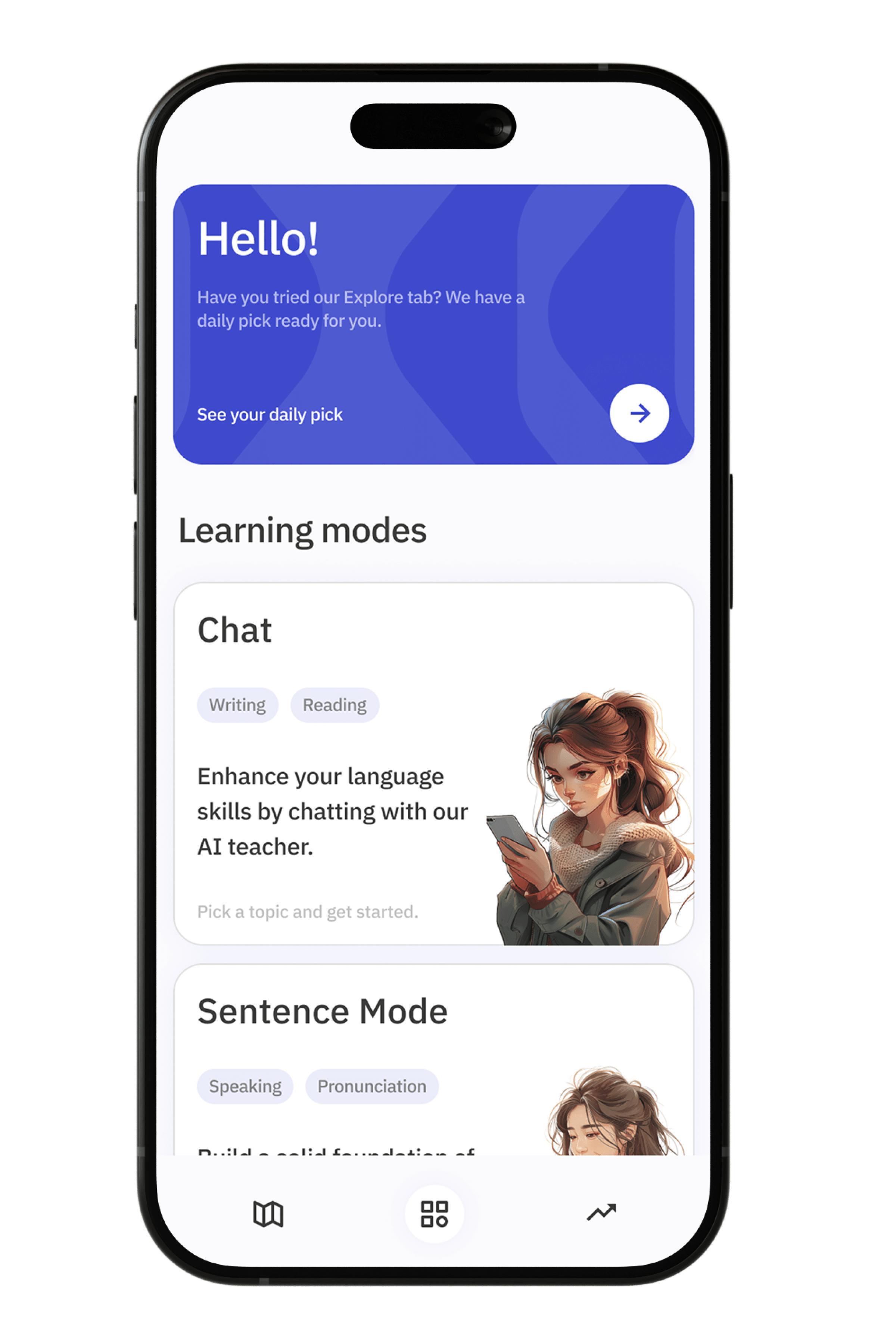
Talkpal is AI-powered language tutor. Master 50+ languages with personalized lessons and cutting-edge technology.