
Pick a language and start learning!






Comparing quantities Exercises in Welsh language

Comparing quantities is an essential skill in any language, and Welsh is no exception. Understanding how to express comparisons can significantly enhance your ability to communicate more precisely and effectively. In Welsh, just like in English, we use a variety of structures and vocabulary to compare amounts, whether we're discussing numbers, sizes, or degrees of difference. By mastering these expressions, you'll be able to convey nuanced information, make detailed observations, and engage in more sophisticated conversations.
In this section, you will find a variety of grammar exercises designed to help you practice and perfect your skills in comparing quantities in Welsh. These exercises will guide you through the different ways to make comparisons, using both regular and irregular forms, and will provide you with plenty of examples and practice opportunities. Whether you are a beginner looking to grasp the basics or an advanced learner aiming to refine your skills, these exercises will support your journey toward fluency in Welsh. Dive in and start comparing!
Exercise 1
<p>1. Mae'r ci yn *fwy* na'r gath (adjective for 'more').</p>
<p>2. Aethon ni *i'r* siop i brynu llaeth (preposition for 'to the').</p>
<p>3. Mae hi'n *gwisgo* mwy o ddillad na fi (verb for 'wearing').</p>
<p>4. Mae'r llyfr yma'n *fwy* diddorol na'r un arall (adjective for 'more').</p>
<p>5. Mae fy nhad yn *talach* na'ch tad chi (adjective for 'taller').</p>
<p>6. Mae mwy o blant yn yr ysgol hon *nag yn* yr ysgol honno (preposition for 'than in').</p>
<p>7. Mae'r afal yn *llai* na'r oren (adjective for 'less').</p>
<p>8. Mae hi'n gweithio *mwy* o oriau na fi (adjective for 'more').</p>
<p>9. Mae'n well gyda fi *ddysgu* Cymraeg na Saesneg (verb for 'learning').</p>
<p>10. Mae gan y ci *fwy* o egni na'r cath (adjective for 'more').</p>
Exercise 2
<p>1. Mae'r ci yn *fwy* na'r gath (more).</p>
<p>2. Mae hi'n *llai* na fi (less).</p>
<p>3. Mae gan y tŷ hwn *mwy* o ystafelloedd na'r tŷ arall (more).</p>
<p>4. Mae'r coeden hon *taller* na'r goeden arall (taller).</p>
<p>5. Mae gan y dref *fwy* o bobl na'r pentref (more).</p>
<p>6. Mae'r llyfr yma *llai* na'r llyfr yna (less).</p>
<p>7. Mae'r afal yn *fwy* na'r oren (bigger).</p>
<p>8. Mae gan y car hwn *llai* o bŵer na'r car arall (less).</p>
<p>9. Mae'r plentyn yn *taller* na'r brawd (taller).</p>
<p>10. Mae gan yr ysgol hon *mwy* o blant na'r ysgol honno (more).</p>
Exercise 3
<p>1. Mae'r llyfr yma yn *fwy* diddorol na'r llyfr arall (adjective to compare more interesting).</p>
<p>2. Mae gan y ci *mwy* o egni na'r gath (word for more energy).</p>
<p>3. Mae'r tŷ hwn yn *llai* na'r tŷ arall (adjective to compare smaller).</p>
<p>4. Mae hi'n *talu* mwy na fi am y gwasanaethau (verb for paying).</p>
<p>5. Mae'r plentyn yma yn *hŷn* na'r plentyn arall (adjective to compare older).</p>
<p>6. Mae Tomos yn *mynd* i'r ysgol yn amlach na'i ffrindiau (verb for going).</p>
<p>7. Mae'r ffilm yma yn *fwy* cyffrous na'r ffilm arall (adjective to compare more exciting).</p>
<p>8. Mae'r ci yn *cysgu* mwy na'r gath (verb for sleeping).</p>
<p>9. Mae’r dŵr yn y llyn yn *ddwfn* na’r afon (adjective to compare deeper).</p>
<p>10. Mae'r athrawon yn *rhoi* mwy o waith cartref na'r llynedd (verb for giving).</p>
Learn a Language 5x Faster with AI
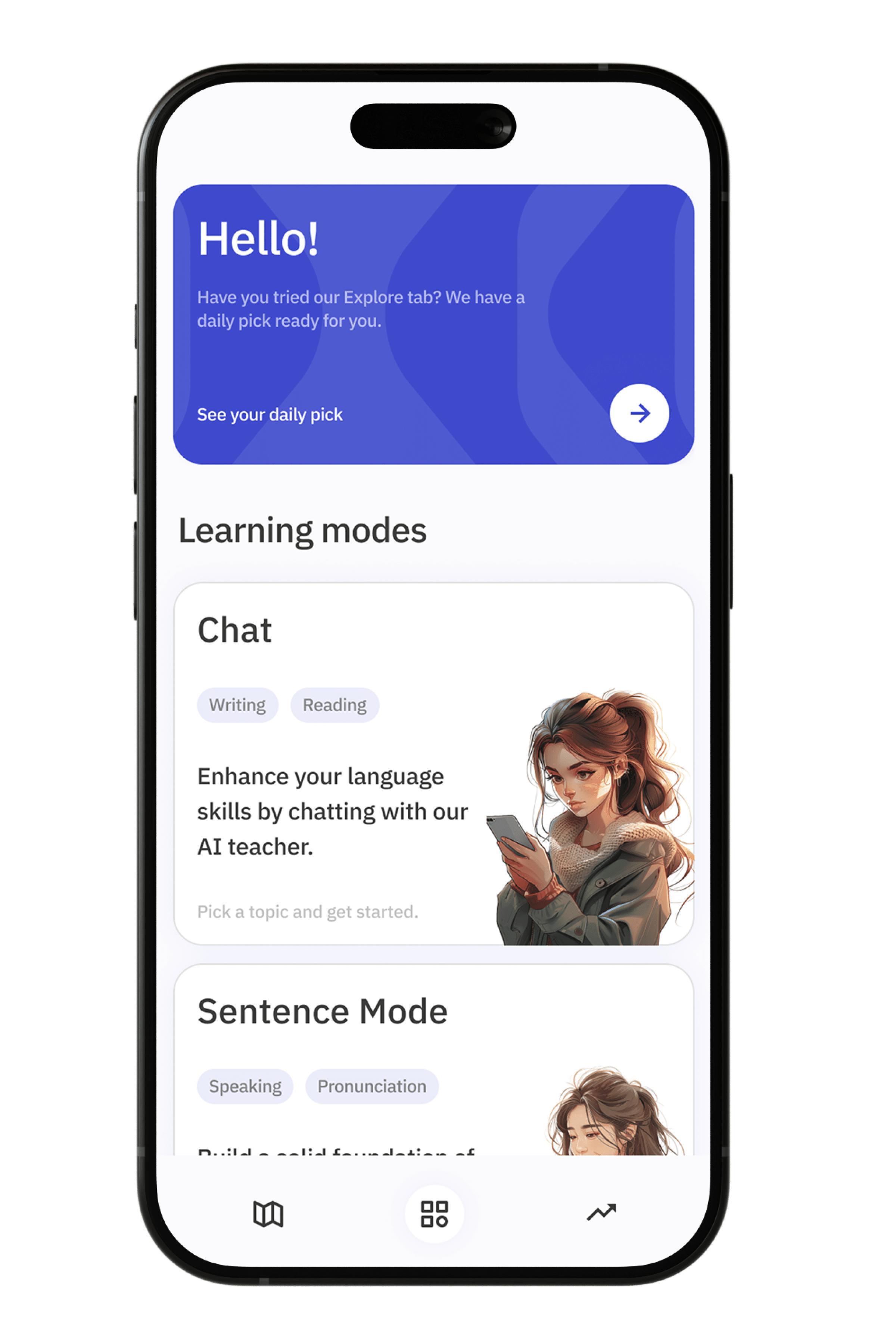
Talkpal is AI-powered language tutor. Master 50+ languages with personalized lessons and cutting-edge technology.