
Pick a language and start learning!






Conditional tense for hypothetical situations Exercises in Portuguese language

Conditional tenses are crucial in mastering any language, and Portuguese is no exception. These grammatical structures allow speakers to articulate hypothetical situations, express desires, or discuss events that are contingent on certain conditions. Understanding how to properly use conditional tenses can significantly enhance your ability to communicate more nuanced ideas and scenarios. In Portuguese, just like in English, there are different forms of conditional tenses that can be used depending on the likelihood and nature of the hypothetical situation.
In this section, we will explore various exercises designed to help you practice and perfect your use of conditional tenses in Portuguese. From basic to advanced levels, these exercises will guide you through the subtleties of forming and using conditional statements. Whether you are expressing a wish, considering a potential outcome, or discussing an unreal past event, these exercises will provide the practice you need to feel confident in your use of the Portuguese language. Let's dive in and start mastering the art of hypothetical situations in Portuguese!
Exercise 1
<p>1. Se eu *tivesse* mais dinheiro, compraria um carro novo. (to have more money)</p>
<p>2. Se ela *fosse* mais organizada, terminaria o projeto a tempo. (to be more organized)</p>
<p>3. Se nós *pudéssemos* viajar agora, iríamos para o Brasil. (to be able to travel now)</p>
<p>4. Se ele *estudasse* mais, passaria no exame. (to study more)</p>
<p>5. Se vocês *quisessem* vir, nós faríamos uma festa. (to want to come)</p>
<p>6. Se eu *soubesse* falar francês, viajaria para Paris. (to know how to speak French)</p>
<p>7. Se ela *morasse* perto, nos visitaríamos com mais frequência. (to live nearby)</p>
<p>8. Se nós *tivéssemos* uma casa na praia, passaríamos todos os verões lá. (to have a beach house)</p>
<p>9. Se ele *fizesse* exercício regularmente, estaria em melhor forma. (to exercise regularly)</p>
<p>10. Se vocês *trabalhassem* mais duro, seriam promovidos. (to work harder)</p>
Exercise 2
<p>1. Se eu *ganhasse* na loteria, compraria uma casa nova (verb for winning).</p>
<p>2. Se ela *estudasse* mais, passaria nos exames (verb for studying).</p>
<p>3. Se nós *tivéssemos* mais tempo, viajaríamos pelo mundo (verb for having).</p>
<p>4. Se ele *fosse* mais educado, teria mais amigos (verb for being polite).</p>
<p>5. Se vocês *fizessem* exercício regularmente, seriam mais saudáveis (verb for doing).</p>
<p>6. Se o cachorro *não latisse*, os vizinhos dormiriam melhor (verb for barking).</p>
<p>7. Se eu *pudesse*, ajudaria os necessitados (verb for being able to).</p>
<p>8. Se eles *morassem* na cidade, teriam mais oportunidades de trabalho (verb for living).</p>
<p>9. Se ela *cozinhasse* melhor, abriria um restaurante (verb for cooking).</p>
<p>10. Se nós *soubéssemos* a resposta, contaríamos a você (verb for knowing).</p>
Exercise 3
<p>1. Se eu *tivesse* mais tempo, viajaria pelo mundo. (verb to have, past subjunctive)</p>
<p>2. Se ele *estudasse* mais, passaria no exame. (verb to study, past subjunctive)</p>
<p>3. Se nós *fossemos* ao cinema, assistiríamos ao novo filme. (verb to go, past subjunctive)</p>
<p>4. Se ela *soubesse* a resposta, ela nos diria. (verb to know, past subjunctive)</p>
<p>5. Se você *comesse* menos doce, se sentiria melhor. (verb to eat, past subjunctive)</p>
<p>6. Se eles *pudessem* viajar, iriam para a praia. (verb to be able to, past subjunctive)</p>
<p>7. Se eu *falasse* francês, poderia trabalhar na França. (verb to speak, past subjunctive)</p>
<p>8. Se nós *tivéssemos* dinheiro, compraríamos uma casa. (verb to have, past subjunctive)</p>
<p>9. Se você *dirigisse* com cuidado, evitaria acidentes. (verb to drive, past subjunctive)</p>
<p>10. Se ela *vivesse* em outro país, aprenderia uma nova cultura. (verb to live, past subjunctive)</p>
Learn a Language 5x Faster with AI
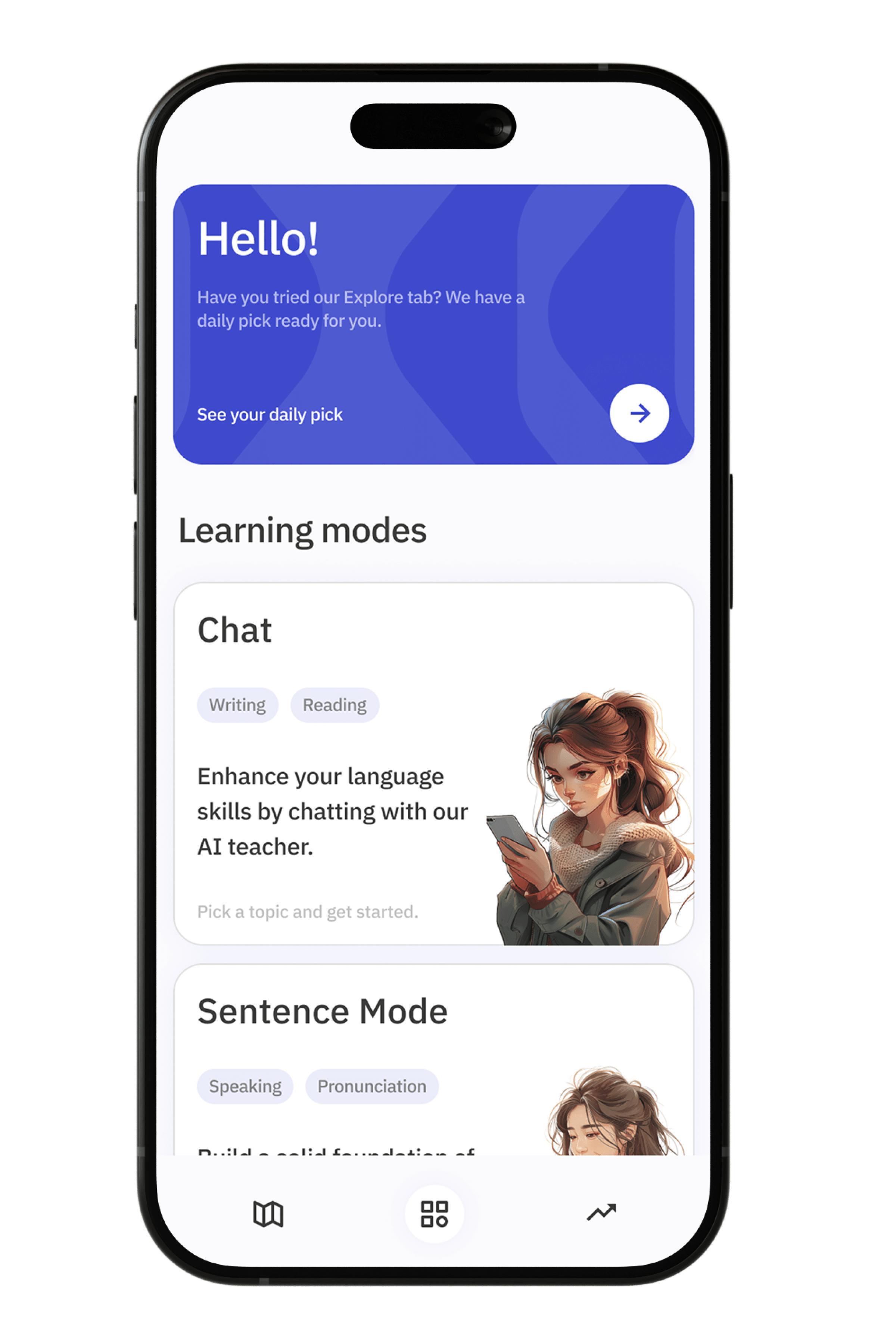
Talkpal is AI-powered language tutor. Master 50+ languages with personalized lessons and cutting-edge technology.