
Pick a language and start learning!






Conjunctions in complex sentences Exercises in Swedish language

Conjunctions play a crucial role in constructing complex sentences in the Swedish language, enabling speakers to link ideas and create nuanced expressions. Unlike simple sentences that express a single thought, complex sentences combine multiple clauses to convey more detailed information. By mastering the use of conjunctions, learners can enhance their fluency and coherence in both spoken and written Swedish. Common Swedish conjunctions include "och" (and), "men" (but), "eller" (or), "så" (so), and "för" (because). Understanding how to appropriately use these conjunctions will significantly improve your ability to communicate more sophisticated ideas.
In Swedish, conjunctions can be coordinating or subordinating, each serving a different function within a sentence. Coordinating conjunctions like "och" and "men" connect clauses of equal importance, while subordinating conjunctions like "eftersom" (because) and "när" (when) introduce dependent clauses that provide additional context or details. For instance, the sentence "Jag vill gå på bio, men jag har mycket att göra" (I want to go to the cinema, but I have a lot to do) uses a coordinating conjunction to balance two contrasting ideas. On the other hand, "Jag vill gå på bio eftersom jag älskar filmer" (I want to go to the cinema because I love movies) uses a subordinating conjunction to explain the reason for the speaker's desire. Through targeted exercises, you can practice and perfect the use of these conjunctions, paving the way for more advanced proficiency in Swedish.
Exercise 1
<p>1. Jag vill gå ut, *men* det regnar (contrasting ideas).</p>
<p>2. Hon studerar hårt, *så* hon kan få bra betyg (resulting consequence).</p>
<p>3. Vi åkte till stranden, *eftersom* vädret var fint (reason).</p>
<p>4. Han cyklade till jobbet, *och* hon tog bussen (connecting similar actions).</p>
<p>5. Jag vet inte *om* han kommer idag (uncertainty).</p>
<p>6. Vi måste skynda oss, *annars* missar vi tåget (negative consequence).</p>
<p>7. Hon köpte en bok *för att* hon älskar att läsa (purpose).</p>
<p>8. De stannade hemma *eftersom* de var trötta (reason).</p>
<p>9. Du kan ringa mig, *när* du har tid (specific time).</p>
<p>10. Vi ska gå på bio *eller* vi kan se en film hemma (alternatives).</p>
Exercise 2
Exercise 3
<p>1. Hon läser boken *medan* han tittar på tv (conjunction indicating simultaneous actions).</p>
<p>2. Jag går till gymmet *eftersom* jag vill bli starkare (conjunction indicating reason).</p>
<p>3. Vi stannade hemma *trots att* det var fint väder (conjunction indicating contrast).</p>
<p>4. Du kan inte gå ut *om* du inte har gjort läxorna (conjunction indicating condition).</p>
<p>5. Han gick till affären *för att* köpa mjölk (conjunction indicating purpose).</p>
<p>6. Jag ska köpa en ny bil *när* jag har sparat tillräckligt med pengar (conjunction indicating time).</p>
<p>7. Vi kan inte åka till stranden *såvida* det inte slutar regna (conjunction indicating condition).</p>
<p>8. Hon sprang snabbt *så att* hon skulle hinna med bussen (conjunction indicating result).</p>
<p>9. Han stannade hemma *eftersom att* han var sjuk (conjunction indicating reason).</p>
<p>10. Jag kommer att vara där *även om* det regnar (conjunction indicating contrast).</p>
Learn a Language 5x Faster with AI
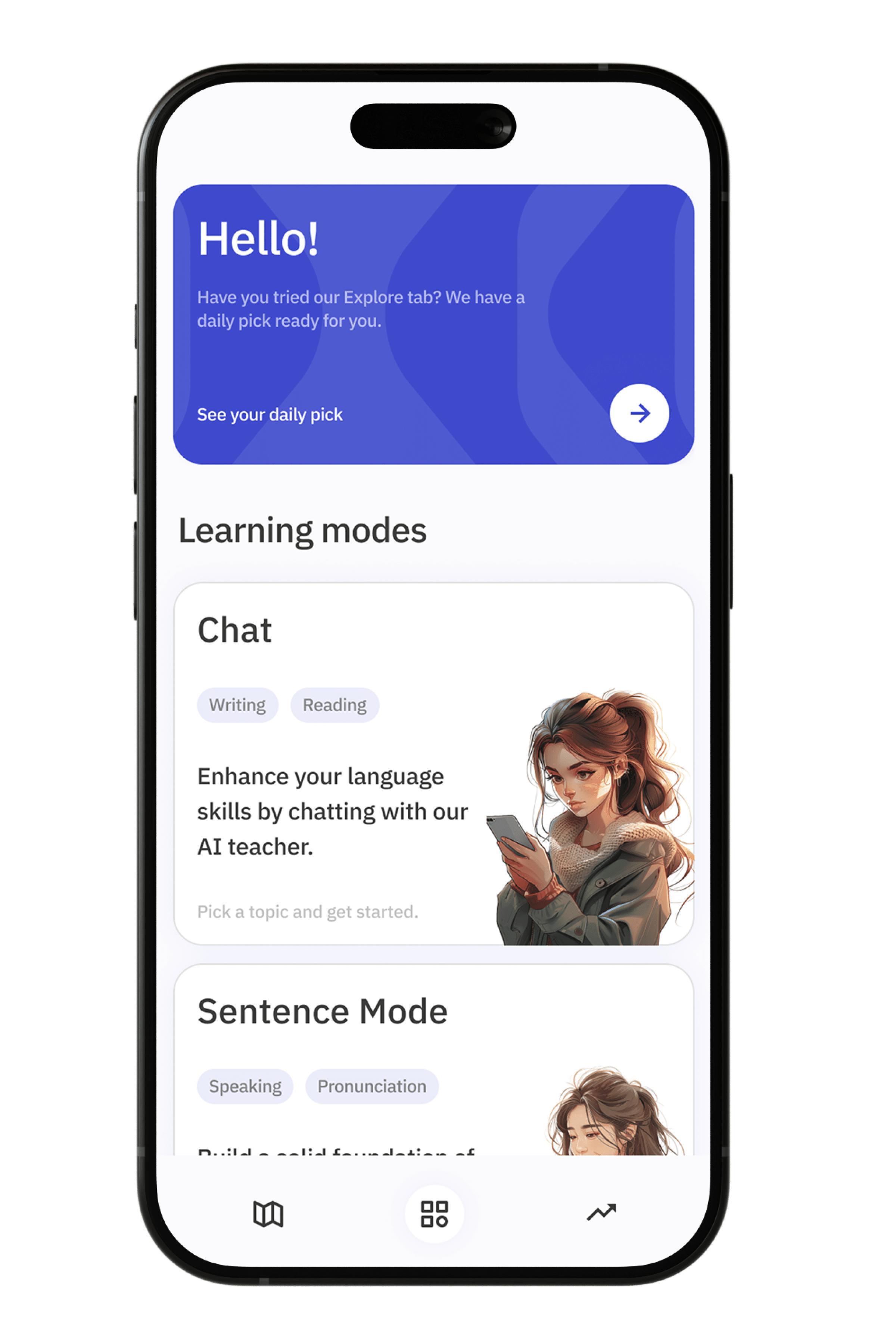
Talkpal is AI-powered language tutor. Master 50+ languages with personalized lessons and cutting-edge technology.