
Pick a language and start learning!






Coordinating conjunctions Exercises in English language

Coordinating conjunctions are the linchpin of clear and coherent communication in English. These essential words—such as "and," "but," "or," "nor," "for," "so," and "yet"—serve the vital role of linking words, phrases, and clauses to form more complex sentences. By mastering the use of coordinating conjunctions, you can enhance the flow of your writing and speaking, making your ideas more engaging and easier to follow. Whether you're connecting similar ideas, presenting alternatives, or contrasting points, these small but mighty words are indispensable tools in your linguistic toolkit.
In the exercises that follow, you will have the opportunity to practice using coordinating conjunctions in a variety of contexts. Each exercise is designed to help you understand the nuances of how these conjunctions function, enabling you to choose the right one for any given situation. Through targeted practice, you will develop a more intuitive grasp of how to use coordinating conjunctions effectively, improving both your written and spoken English. Dive in and start honing your skills, and soon you'll find that crafting complex, nuanced sentences becomes second nature.
Exercise 1
<p>1. She wanted to go to the beach, *but* it started raining (contrasting ideas).</p>
<p>2. I need to buy some groceries, *and* I also have to pick up my laundry (addition).</p>
<p>3. You can have tea, *or* you can have coffee (choice).</p>
<p>4. He was tired, *so* he went to bed early (cause and effect).</p>
<p>5. I don't like to swim, *nor* do I enjoy running (negative addition).</p>
<p>6. The car is old, *yet* it still runs well (contrasting ideas).</p>
<p>7. You should hurry up, *for* we are running late (reason).</p>
<p>8. We can go to the movies, *or* we can stay home and watch TV (choice).</p>
<p>9. She studied hard, *so* she passed the exam (cause and effect).</p>
<p>10. He didn't see the sign, *nor* did he hear the warning (negative addition).</p>
Exercise 2
<p>1. She wanted to go to the beach, *but* it started raining (contrasting idea).</p>
<p>2. I need to buy some groceries, *so* I'm going to the supermarket (reason or result).</p>
<p>3. He can play the guitar, *and* he can sing very well (additional information).</p>
<p>4. You can have tea, *or* you can have coffee (choice).</p>
<p>5. The car broke down, *yet* we managed to reach our destination on time (unexpected outcome).</p>
<p>6. We could stay home, *or* we could go out for dinner (alternative options).</p>
<p>7. She was tired, *but* she finished her homework anyway (contrasting ideas).</p>
<p>8. He studied hard, *so* he passed the exam with flying colors (cause and effect).</p>
<p>9. They wanted to go hiking, *but* the trail was closed (opposing ideas).</p>
<p>10. I tried calling you, *and* I sent you a message (additional action).
Exercise 3
<p>1. She wanted to go to the park, *but* it started raining (contrasts two ideas).</p>
<p>2. I will have tea *or* coffee with breakfast (presents a choice between two items).</p>
<p>3. He was tired, *so* he went to bed early (indicates a result).</p>
<p>4. The cat is small, *yet* it is very strong (contrasts two characteristics).</p>
<p>5. We could go to the movies, *or* we could stay home and watch TV (presents alternatives).</p>
<p>6. I have to study for my exam, *and* I need to finish my project (adds information).</p>
<p>7. She doesn't like ice cream, *nor* does she enjoy cake (adds a negative idea).</p>
<p>8. He wanted to play soccer, *but* his foot was injured (contrasts desire with reality).</p>
<p>9. The book was interesting, *so* I read it in one sitting (indicates a cause and effect).</p>
<p>10. She likes to swim, *and* she enjoys hiking (adds similar activities).</p>
Learn a Language 5x Faster with AI
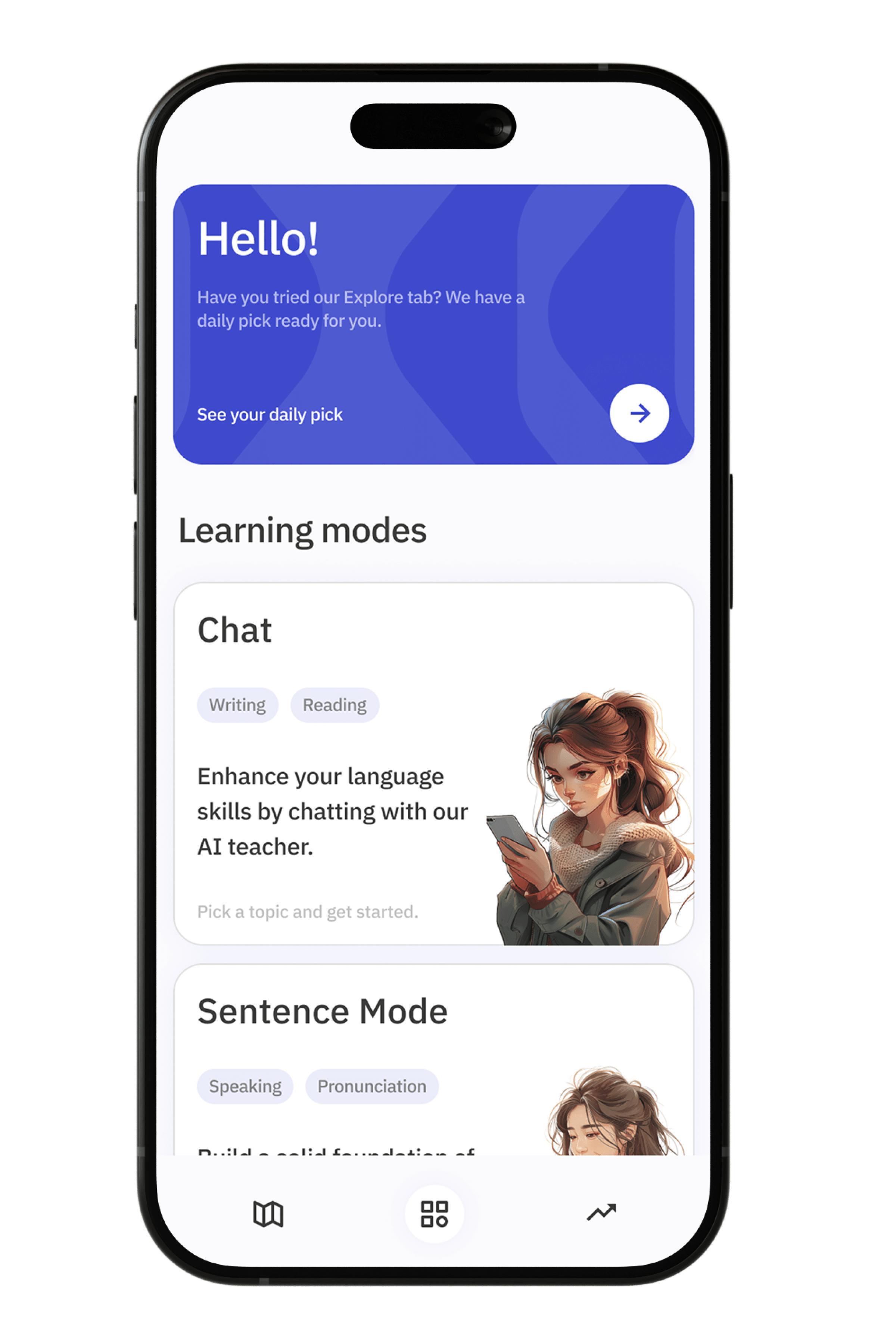
Talkpal is AI-powered language tutor. Master 50+ languages with personalized lessons and cutting-edge technology.