
Pick a language and start learning!






Frequency adverbs Exercises in Serbian language

Frequency adverbs are essential components of the Serbian language, helping speakers convey how often an action occurs. These adverbs, such as "često" (often), "ponekad" (sometimes), and "nikada" (never), provide clarity and precision in communication. Whether you're sharing your daily routine, discussing habits, or describing events, mastering these adverbs will enhance your ability to express frequency and improve your overall fluency in Serbian.
In Serbian, frequency adverbs typically appear in specific positions within a sentence, often directly before the main verb or at the beginning of the sentence for emphasis. Understanding their correct placement and usage is crucial for forming coherent and natural-sounding sentences. This page offers a variety of grammar exercises designed to help you practice and perfect your use of frequency adverbs in Serbian, ensuring you can confidently incorporate them into your spoken and written language.
Exercise 1
<p>1. Ona *uvek* dolazi na vreme (always).</p>
<p>2. Mi *često* idemo u bioskop (frequently).</p>
<p>3. On *retko* jede sladoled (seldom).</p>
<p>4. Oni *ponekad* igraju fudbal vikendom (sometimes).</p>
<p>5. Marija *nikada* ne kasni na sastanke (never).</p>
<p>6. Moj brat *obično* ustaje rano (usually).</p>
<p>7. Ona *ponekad* čita knjige pre spavanja (sometimes).</p>
<p>8. Mi *retko* putujemo van zemlje (seldom).</p>
<p>9. Oni *uvek* pomažu svojim prijateljima (always).</p>
<p>10. On *često* vozi bicikl posle škole (frequently).</p>
Exercise 2
<p>1. Ana *uvek* dolazi na vreme (always).</p>
<p>2. Ivan *često* igra fudbal posle škole (often).</p>
<p>3. Marija *nikada* ne kasni na posao (never).</p>
<p>4. Mi *ponekad* idemo u bioskop vikendom (sometimes).</p>
<p>5. On *retko* jede brzu hranu (rarely).</p>
<p>6. Jelena *obično* čita knjigu pre spavanja (usually).</p>
<p>7. Marko *uglavnom* pije kafu ujutro (mostly).</p>
<p>8. Oni *redovno* vežbaju u teretani (regularly).</p>
<p>9. Petar *gotovo uvek* radi domaći na vreme (almost always).</p>
<p>10. Mi *ponekad* idemo na izlet (occasionally).</p>
Exercise 3
<p>1. On *uvek* dolazi na vreme (adverb indicating always).</p>
<p>2. Mi *često* jedemo u ovom restoranu (adverb indicating frequently).</p>
<p>3. Ona *ponekad* ide u bioskop (adverb indicating sometimes).</p>
<p>4. Marko *nikad* ne pije kafu (adverb indicating never).</p>
<p>5. Oni *retko* posećuju bake i deke (adverb indicating rarely).</p>
<p>6. Marija *uglavnom* vežba ujutru (adverb indicating mostly).</p>
<p>7. Mi *s vremena na vreme* putujemo zajedno (phrase indicating occasionally).</p>
<p>8. On *stalno* priča o sportu (adverb indicating constantly).</p>
<p>9. Jelena *redovno* ide na časove joge (adverb indicating regularly).</p>
<p>10. Petar *skoro nikad* ne gleda televiziju (phrase indicating almost never).</p>
Learn a Language 5x Faster with AI
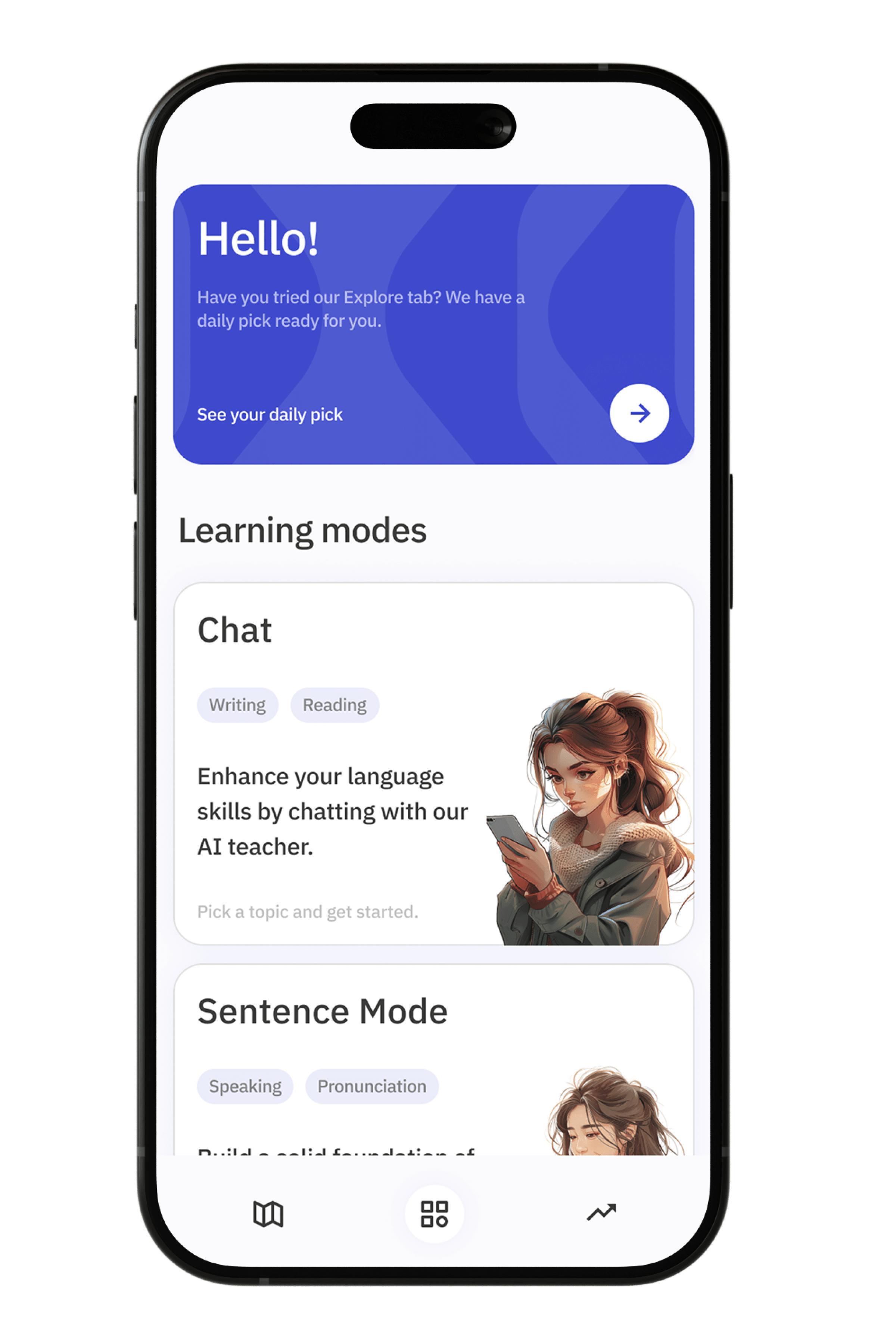
Talkpal is AI-powered language tutor. Master 50+ languages with personalized lessons and cutting-edge technology.