
Pick a language and start learning!






Indirect object pronouns Exercises in Spanish language

Indirect object pronouns are a crucial component of Spanish grammar that allow you to indicate to whom or for whom an action is performed. Unlike direct object pronouns, which answer the question "what?" or "whom?" in relation to the verb, indirect object pronouns answer the question "to whom?" or "for whom?" For instance, in the sentence "Le di el libro" ("I gave the book to him/her"), "le" is the indirect object pronoun referring to the person receiving the book. Mastering these pronouns will enhance your ability to communicate more precisely and naturally in Spanish.
In Spanish, indirect object pronouns are me, te, le, nos, os, and les, corresponding to the English pronouns "me," "you," "him/her," "us," "you all," and "them," respectively. These pronouns are typically placed before a conjugated verb or attached to an infinitive, gerund, or affirmative command. For example, "Te voy a dar un regalo" ("I am going to give you a gift") places the indirect object pronoun "te" before the conjugated verb "voy." By practicing these structures, you will gain confidence in your ability to construct sentences that convey nuanced meanings and relationships between the subjects and the recipients of actions in Spanish.
Exercise 1
<p>1. Juan *le* dio un regalo a María (to her).</p>
<p>2. Marta *les* escribió una carta a sus abuelos (to them).</p>
<p>3. El profesor *me* explicó la lección a mí (to me).</p>
<p>4. Ellos *nos* contaron la historia a nosotros (to us).</p>
<p>5. Ana *le* pidió ayuda a su hermano (to him).</p>
<p>6. Mis amigos *me* trajeron un recuerdo de su viaje (to me).</p>
<p>7. Yo *le* presté mi libro a Carla (to her).</p>
<p>8. María *les* compró dulces a los niños (to them).</p>
<p>9. Pedro *nos* envió una invitación a la fiesta (to us).</p>
<p>10. Ellos *me* dieron las gracias por el favor (to me).</p>
Exercise 2
<p>1. María *le* dio un regalo a su amiga (indirect object pronoun for "su amiga").</p>
<p>2. Juan *nos* contó una historia muy interesante (indirect object pronoun for "a nosotros").</p>
<p>3. Mis padres *me* enviaron una carta desde España (indirect object pronoun for "a mí").</p>
<p>4. La profesora *les* explicó la lección a los estudiantes (indirect object pronoun for "a los estudiantes").</p>
<p>5. Carlos *te* compró un libro nuevo (indirect object pronoun for "a ti").</p>
<p>6. Ana y Luis *les* dieron las gracias a sus abuelos (indirect object pronoun for "a sus abuelos").</p>
<p>7. Nosotros *le* preguntamos a Marta sobre su viaje (indirect object pronoun for "a Marta").</p>
<p>8. El médico *me* recomendó descansar más (indirect object pronoun for "a mí").</p>
<p>9. Mis amigos *nos* invitaron a la fiesta (indirect object pronoun for "a nosotros").</p>
<p>10. El chef *le* preparó una cena especial a su esposa (indirect object pronoun for "a su esposa").</p>
Exercise 3
<p>1. Juan *me* dio un regalo (pronoun for "to me").</p>
<p>2. Ana *le* escribió una carta a su abuela (pronoun for "to her").</p>
<p>3. Nosotros *les* compramos unos libros a los niños (pronoun for "to them" - plural, masculine or mixed group).</p>
<p>4. Marta *te* dijo la verdad (pronoun for "to you" - informal, singular).</p>
<p>5. Ellos *nos* enviaron una invitación (pronoun for "to us").</p>
<p>6. Mis padres *me* contaron una historia (pronoun for "to me").</p>
<p>7. ¿Tú *le* mandaste el mensaje a Carlos? (pronoun for "to him").</p>
<p>8. Los profesores *nos* explicaron la lección (pronoun for "to us").</p>
<p>9. Yo *les* presté dinero a mis amigos (pronoun for "to them" - plural).</p>
<p>10. ¿Quién *te* dio esa información? (pronoun for "to you" - informal, singular).</p>
Learn a Language 5x Faster with AI
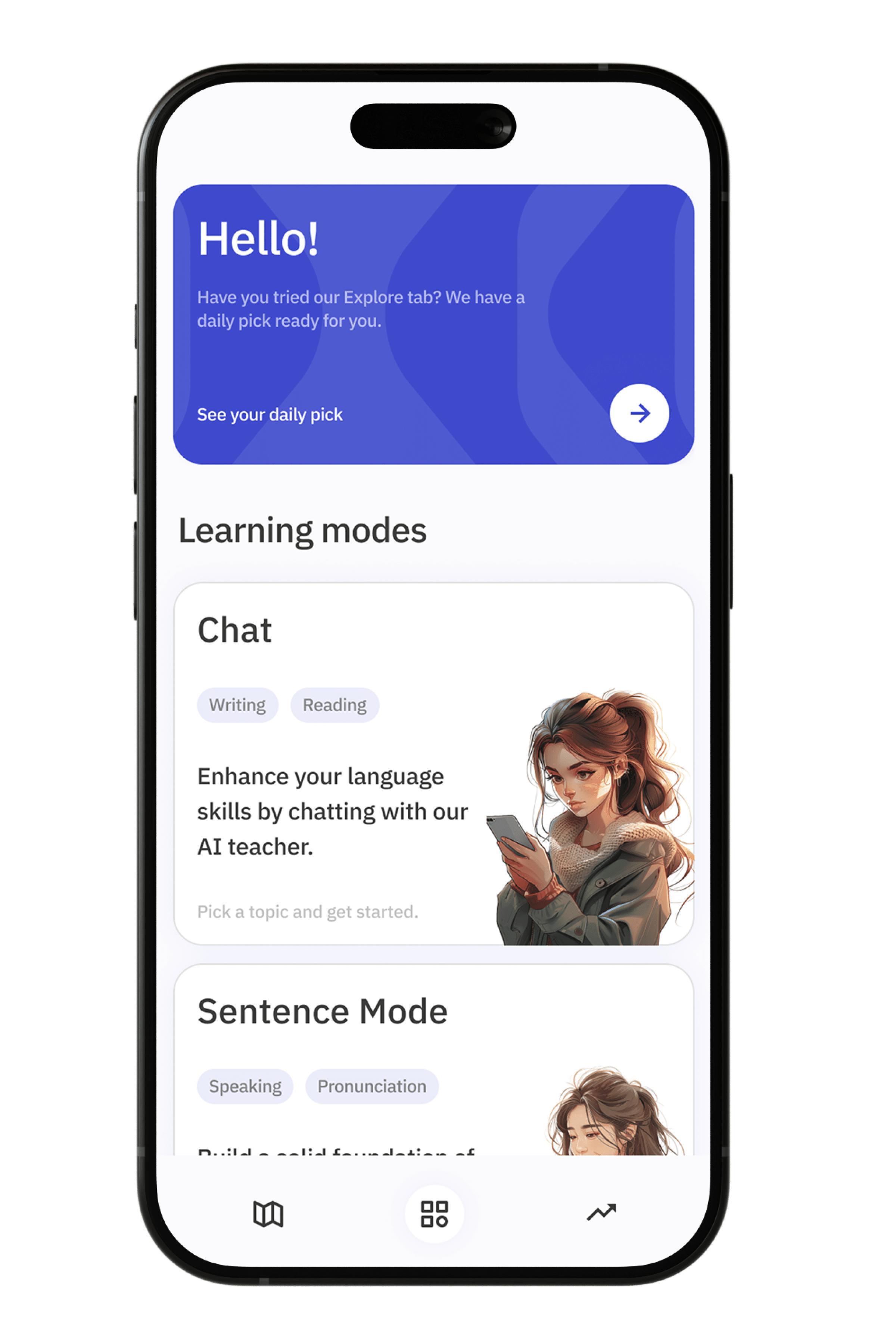
Talkpal is AI-powered language tutor. Master 50+ languages with personalized lessons and cutting-edge technology.