
Pick a language and start learning!






Personal pronouns Exercises in Thai language

Personal pronouns in Thai play a crucial role in daily communication and are essential for anyone looking to master the language. Unlike English, Thai personal pronouns are more complex due to their variations based on factors such as age, gender, social status, and the level of formality. Understanding these nuances not only helps in constructing grammatically correct sentences but also in communicating respectfully and appropriately in different social contexts.
In this section, we will explore various Thai personal pronouns, their specific usages, and how they change depending on the situation. Through a series of grammar exercises, you will practice identifying and using these pronouns correctly. This will not only enhance your fluency but also your ability to engage in meaningful conversations with native Thai speakers. Dive in and start mastering the subtleties of Thai personal pronouns today!
Exercise 1
<p>1. *เขา* เป็นครู (pronoun for "he").</p>
<p>2. *เธอ* ชอบกินอาหารไทย (pronoun for "she").</p>
<p>3. ฉันจะไปเที่ยวกับ *พวกเรา* (pronoun for "we").</p>
<p>4. *คุณ* สามารถช่วยฉันได้ไหม (pronoun for "you" in a polite form).</p>
<p>5. หนังสือนี้เป็นของ *ฉัน* (pronoun for "I" or "me").</p>
<p>6. *พวกเขา* ไปดูหนังกัน (pronoun for "they").</p>
<p>7. *มัน* เป็นแมวของฉัน (pronoun for "it").</p>
<p>8. เขาให้ของขวัญกับ *เธอ* (pronoun for "her").</p>
<p>9. รถคันนั้นเป็นของ *พวกเขา* (pronoun for "their").</p>
<p>10. นี่คือเพื่อนของ *เขา* (pronoun for "him").</p>
Exercise 2
<p>1. *เขา* กำลังอ่านหนังสือ (he is reading a book).</p>
<p>2. *เธอ* ชอบดูหนัง (she likes watching movies).</p>
<p>3. เมื่อวานนี้ *เรา* ไปเที่ยวทะเล (we went to the beach yesterday).</p>
<p>4. *คุณ* จะไปเรียนที่ไหน (where will you study)?</p>
<p>5. *เขา* ไม่ชอบกินผัก (he doesn't like eating vegetables).</p>
<p>6. *พวกเขา* เล่นฟุตบอลทุกวัน (they play football every day).</p>
<p>7. *ฉัน* มีเพื่อนมากมาย (I have many friends).</p>
<p>8. *เธอ* รักการทำอาหาร (she loves cooking).</p>
<p>9. *เรา* กำลังทำการบ้าน (we are doing homework).</p>
<p>10. *เขา* เดินไปโรงเรียนทุกเช้า (he walks to school every morning).</p>
Exercise 3
<p>1. *เขา* ชอบอ่านหนังสือ (Third person singular pronoun).</p>
<p>2. *เรา* ไปเที่ยวทะเลเมื่อวานนี้ (First person plural pronoun).</p>
<p>3. *เธอ* มีแมวสีขาว (Second person singular pronoun).</p>
<p>4. *ฉัน* กำลังทำการบ้าน (First person singular pronoun).</p>
<p>5. *พวกเขา* ดูทีวีกันที่บ้าน (Third person plural pronoun).</p>
<p>6. *เขา* เป็นนักเรียนที่ขยัน (Third person singular pronoun, male).</p>
<p>7. *พวกเรา* ร้องเพลงในงานเลี้ยง (First person plural pronoun).</p>
<p>8. *เธอ* จะไปตลาดไหม (Second person singular pronoun, informal).</p>
<p>9. *ฉัน* ชอบกินผลไม้ (First person singular pronoun, female).</p>
<p>10. *พวกเขา* กำลังเล่นฟุตบอล (Third person plural pronoun, male or mixed group).</p>
Learn a Language 5x Faster with AI
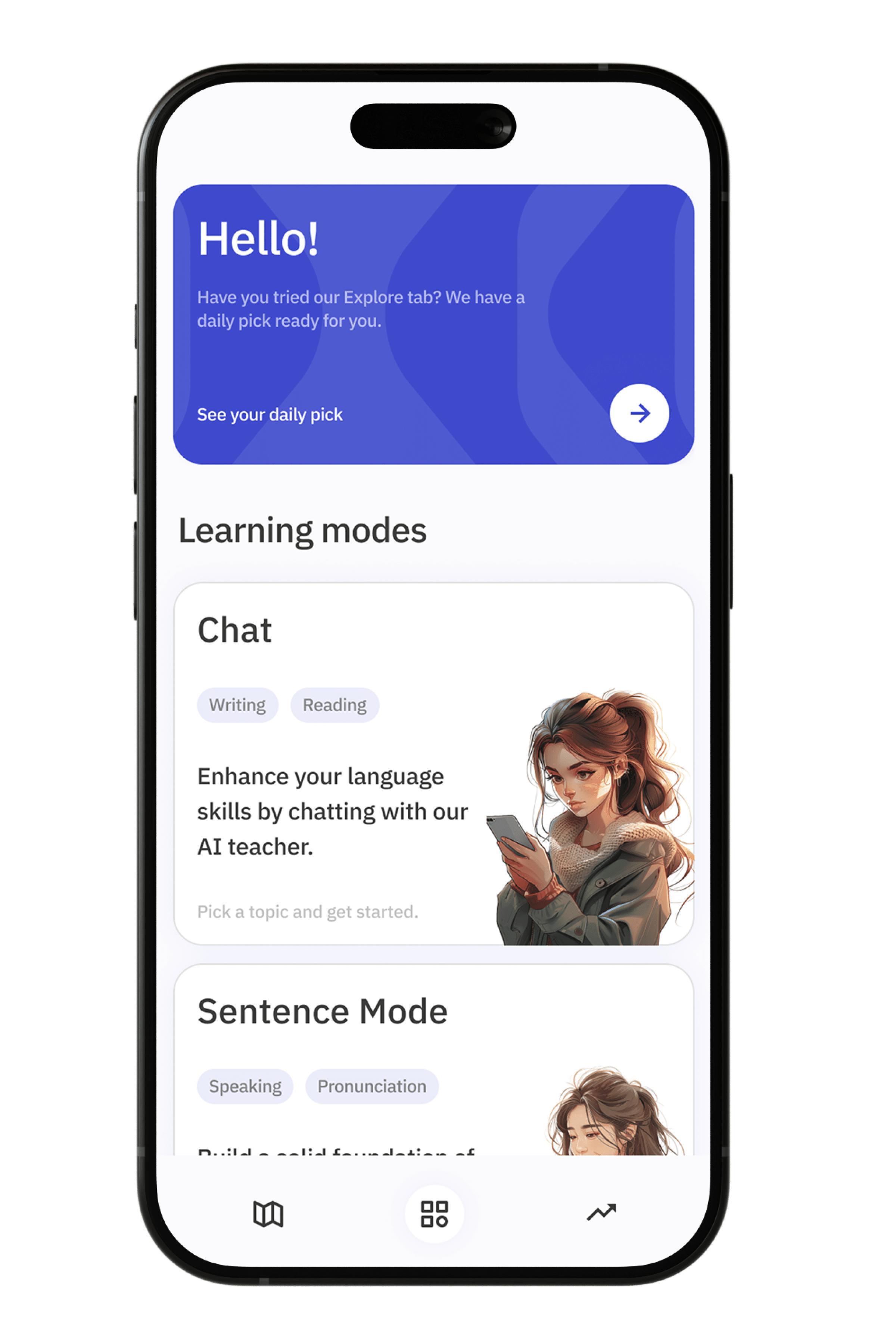
Talkpal is AI-powered language tutor. Master 50+ languages with personalized lessons and cutting-edge technology.