
Pick a language and start learning!






Position of adjectives Exercises in Spanish language

Adjectives in Spanish play a crucial role in sentence construction, and their placement can significantly alter the meaning and emphasis of a phrase. Unlike in English, where adjectives typically precede the nouns they modify, Spanish allows for more flexibility, often placing adjectives after the nouns. Understanding this difference is key to achieving fluency and expressing nuances accurately in Spanish. For instance, "un coche rojo" (a red car) follows the standard noun-adjective order, but adjectives can precede nouns to convey subjective qualities or to emphasize an inherent characteristic, as in "mi querido amigo" (my dear friend).
Mastering the position of adjectives in Spanish not only enhances your linguistic precision but also enriches your ability to convey subtle distinctions and emotional tones. This section will guide you through various grammar exercises designed to help you practice and internalize the rules and conventions of adjective placement in Spanish. From identifying correct adjective positions to constructing sentences that reflect native usage, these exercises will bolster your confidence and competence in navigating Spanish grammar effectively.
Exercise 1
<p>1. El coche *rojo* está aparcado afuera (color).</p>
<p>2. La casa *grande* tiene un jardín hermoso (size).</p>
<p>3. Compré un libro *interesante* en la librería (quality).</p>
<p>4. El hombre *alto* juega baloncesto (height).</p>
<p>5. La película *nueva* es muy emocionante (time).</p>
<p>6. La chica *simpática* me ayudó con la tarea (personality).</p>
<p>7. El perro *negro* corre rápido en el parque (color).</p>
<p>8. El vestido *elegante* es perfecto para la fiesta (style).</p>
<p>9. La ciudad *grande* tiene muchos habitantes (size).</p>
<p>10. La flor *hermosa* crece en el jardín (quality).</p>
Exercise 2
<p>1. La casa *grande* es de mi abuela (size).</p>
<p>2. Tengo un coche *nuevo* que compré ayer (newness).</p>
<p>3. Vivimos en una ciudad *tranquila* y segura (calmness).</p>
<p>4. El perro *blanco* está en el jardín (color).</p>
<p>5. Es un hombre *inteligente* que sabe mucho (intelligence).</p>
<p>6. Ella lleva un vestido *elegante* para la fiesta (elegance).</p>
<p>7. Compré una mesa *redonda* para la cocina (shape).</p>
<p>8. El gato *negro* duerme en el sofá (color).</p>
<p>9. Es una película *interesante* que quiero ver (interest).</p>
<p>10. Quiero una bicicleta *nueva* para mi cumpleaños (newness).</p>
Exercise 3
<p>1. La casa *grande* está en la esquina (size).</p>
<p>2. Tengo un coche *nuevo* (recently bought).</p>
<p>3. Es un hombre *trabajador* (diligent in work).</p>
<p>4. Compré una camisa *roja* (color).</p>
<p>5. Ella tiene un perro *pequeño* (size).</p>
<p>6. Necesito un libro *interesante* para leer (engaging).</p>
<p>7. Vimos una película *emocionante* anoche (thrilling).</p>
<p>8. Prefiero un café *caliente* por la mañana (temperature).</p>
<p>9. Es un chico *inteligente* (smart).</p>
<p>10. Busco una mochila *azul* (color).</p>
Learn a Language 5x Faster with AI
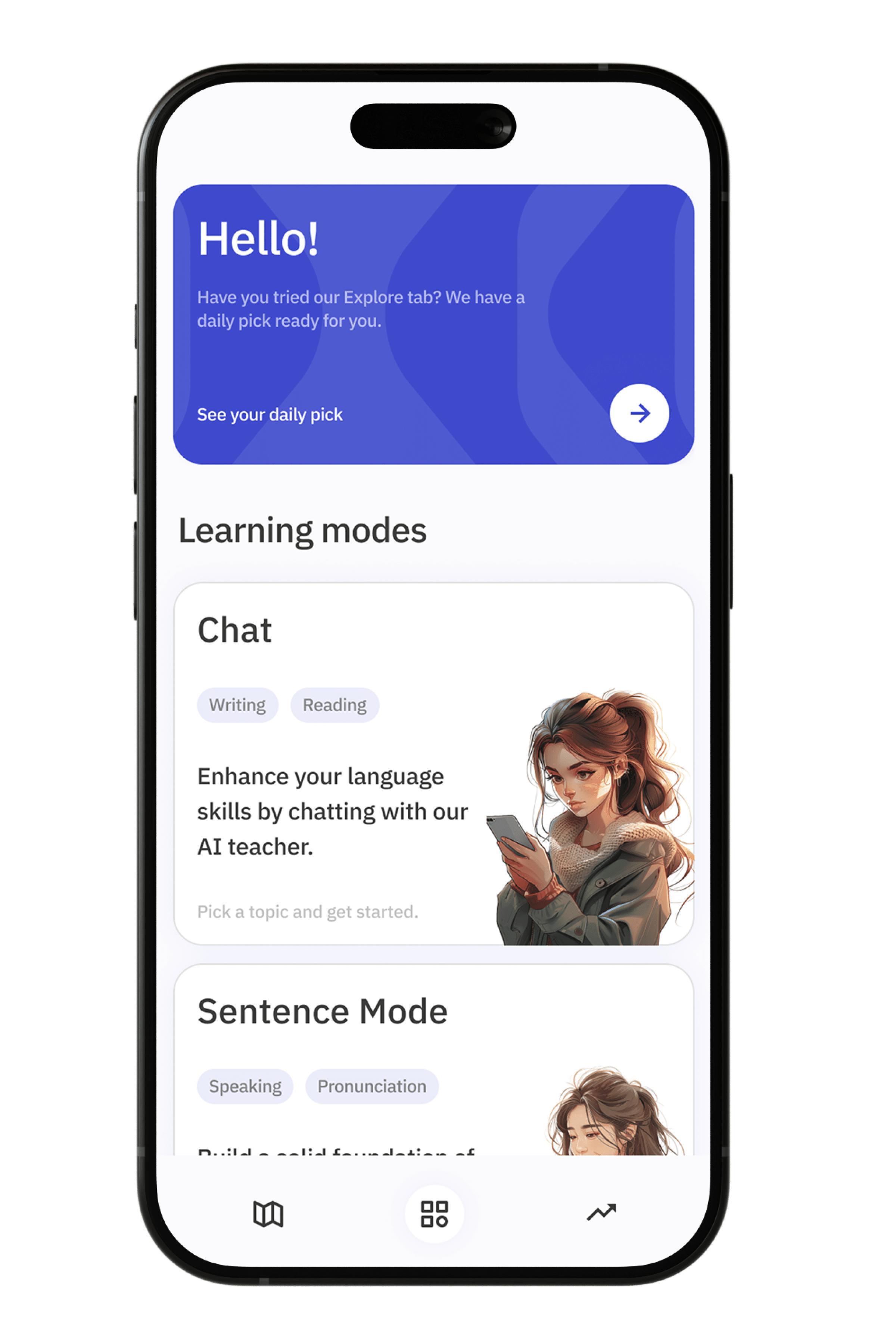
Talkpal is AI-powered language tutor. Master 50+ languages with personalized lessons and cutting-edge technology.