
Pick a language and start learning!






Prepositions of time Exercises in English language

Understanding prepositions of time is essential for mastering English fluency. These small but powerful words indicate relationships between different elements of a sentence, clarifying when events occur. Prepositions such as "at," "in," and "on" are commonly used to denote specific times, months, years, and days, respectively. For example, we say "at 5 o'clock," "in June," and "on Monday." Learning the correct usage of these prepositions helps in constructing clear and precise sentences, making communication more effective.
Our grammar exercises are designed to provide practical experience with prepositions of time, enhancing both comprehension and application skills. Through a variety of engaging activities, you'll learn to distinguish between different prepositions and understand their appropriate contexts. Whether you're a beginner or looking to refine your existing knowledge, these exercises will reinforce your ability to use prepositions of time correctly in everyday conversation and writing. Dive in to start improving your grammar and build a strong foundation for your English language proficiency.
Exercise 1
<p>1. She always goes for a run *in* the morning (preposition for a part of the day).</p>
<p>2. We have a meeting scheduled *on* Tuesday (preposition for a specific day).</p>
<p>3. The movie starts *at* 7 pm (preposition for a specific time).</p>
<p>4. The project is due *by* Friday (preposition indicating a deadline).</p>
<p>5. He was born *on* April 15th (preposition for a specific date).</p>
<p>6. They moved to the new house *in* 2020 (preposition for a year).</p>
<p>7. I like to read *before* bedtime (preposition indicating time preceding another event).</p>
<p>8. She called me *during* the meeting (preposition indicating an event happening at the same time as another).</p>
<p>9. We usually have lunch *at* noon (preposition for a specific time).</p>
<p>10. I will see you *in* two hours (preposition indicating a period of time from now).</p>
Exercise 2
<p>1. She will arrive *at* 5 PM (specific hour).</p>
<p>2. We have a meeting *on* Monday (day of the week).</p>
<p>3. The festival takes place *in* July (month of the year).</p>
<p>4. He usually goes jogging *in* the morning (part of the day).</p>
<p>5. They moved to a new house *in* 2020 (year).</p>
<p>6. The movie starts *at* 8 o'clock (exact time).</p>
<p>7. We always have a family dinner *on* Christmas Eve (specific day).</p>
<p>8. She likes to read *at* night (time of day when it is dark).</p>
<p>9. The new park will open *in* the summer (season of the year).</p>
<p>10. The bus leaves *at* noon (midday).</p>
Exercise 3
<p>1. The movie starts *at* 7 p.m. (specific time).</p>
<p>2. She works *from* 9 a.m. *to* 5 p.m. (start and end time).</p>
<p>3. We usually go skiing *in* December (month).</p>
<p>4. He was born *on* July 4th (specific date).</p>
<p>5. They are planning to visit us *in* the summer (season).</p>
<p>6. I will call you *after* the meeting (following an event).</p>
<p>7. The train leaves *at* noon (specific time).</p>
<p>8. She likes to read *before* bedtime (preceding a regular activity).</p>
<p>9. They always have a party *on* New Year's Eve (specific event day).</p>
<p>10. The store is closed *during* the holidays (a period of time).</p>
Learn a Language 5x Faster with AI
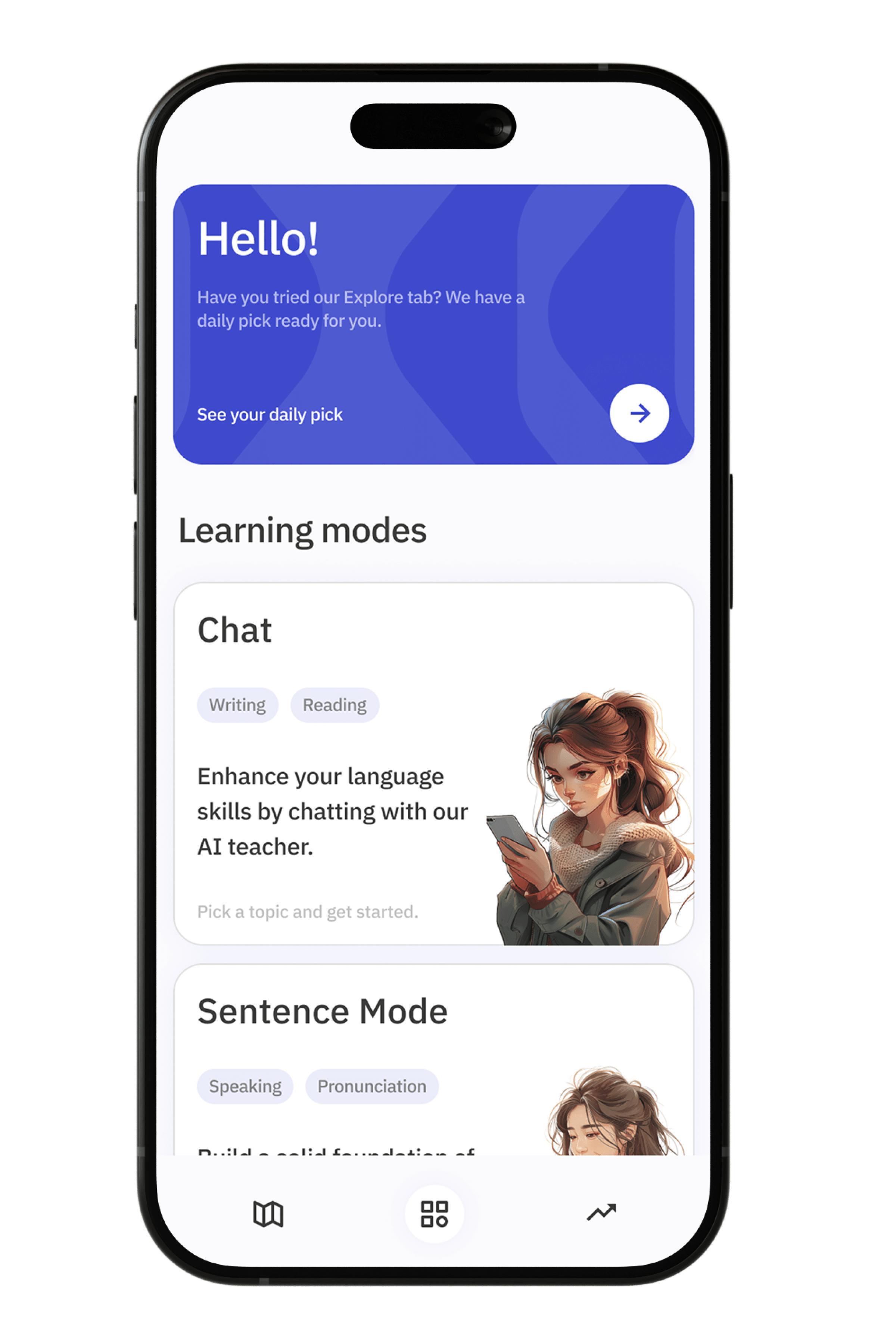
Talkpal is AI-powered language tutor. Master 50+ languages with personalized lessons and cutting-edge technology.