
Pick a language and start learning!






Present tense verb usage Exercises in Thai language

Mastering the present tense in Thai language is essential for effective communication, whether you are engaging in daily conversations, writing, or understanding spoken Thai. Unlike English, Thai verbs do not change form based on the subject or tense. Instead, context and additional words indicate the time frame, making it crucial to understand how these elements work together to convey the present tense accurately. By focusing on the patterns and structures unique to Thai, you can improve your fluency and ensure your messages are clear and precise.
In this section, we provide a variety of grammar exercises designed to help you practice and reinforce your understanding of present tense verb usage in Thai. These exercises cover common verbs and sentence structures, enabling you to recognize and use them correctly in real-life scenarios. Each exercise is accompanied by explanations and examples to help you grasp the nuances of Thai verb usage, making your learning experience both comprehensive and engaging. Dive in and start honing your skills to become more confident in using the present tense in Thai.
Exercise 1
<p>1. ฉัน *อ่าน* หนังสือทุกวัน (verb for reading).</p>
<p>2. เขา *กิน* ข้าวเช้าทุกเช้า (verb for eating).</p>
<p>3. เรา *ไป* โรงเรียนทุกวัน (verb for going).</p>
<p>4. เธอ *นอน* ตอนสามทุ่มทุกวัน (verb for sleeping).</p>
<p>5. พวกเขา *เล่น* ฟุตบอลทุกเย็น (verb for playing).</p>
<p>6. แม่ *ทำ* อาหารทุกเช้า (verb for cooking).</p>
<p>7. ฉัน *วิ่ง* ในสวนสาธารณะทุกเช้า (verb for running).</p>
<p>8. เขา *ทำงาน* ในออฟฟิศทุกวัน (verb for working).</p>
<p>9. เรา *ดู* ทีวีทุกคืน (verb for watching).</p>
<p>10. เธอ *เขียน* จดหมายถึงเพื่อนทุกเดือน (verb for writing).</p>
Exercise 2
<p>1. ฉัน *กิน* อาหารเช้าทุกวัน (verb for eating).</p>
<p>2. เขา *วิ่ง* ทุกเช้าในสวน (verb for running).</p>
<p>3. เรา *เรียน* ภาษาไทยในห้องเรียน (verb for studying).</p>
<p>4. พวกเขา *เล่น* ฟุตบอลในสนาม (verb for playing a sport).</p>
<p>5. คุณ *ทำงาน* ที่บริษัทนี้มาหลายปีแล้ว (verb for working).</p>
<p>6. เธอ *อ่าน* หนังสือทุกคืนก่อนนอน (verb for reading).</p>
<p>7. ฉัน *ดื่ม* น้ำผลไม้ทุกเช้า (verb for drinking).</p>
<p>8. พวกเรา *ไป* ที่ชายหาดทุกสุดสัปดาห์ (verb for going).</p>
<p>9. เขา *ดู* ทีวีหลังเลิกงาน (verb for watching).</p>
<p>10. คุณ *พูด* ภาษาอังกฤษได้ดี (verb for speaking).</p>
Exercise 3
<p>1. เขา *อ่าน* หนังสือทุกวัน (verb for reading).</p>
<p>2. ฉัน *ทำ* อาหารเช้าทุกเช้า (verb for making).</p>
<p>3. พวกเรา *เล่น* ฟุตบอลหลังเลิกเรียน (verb for playing).</p>
<p>4. เธอ *วิ่ง* ในสวนสาธารณะทุกเช้า (verb for running).</p>
<p>5. แม่ *ชอบ* ดื่มกาแฟตอนเช้า (verb for liking).</p>
<p>6. เขา *ดู* ทีวีหลังอาหารเย็น (verb for watching).</p>
<p>7. ฉัน *ไป* โรงเรียนทุกวัน (verb for going).</p>
<p>8. พวกเขา *ทำงาน* ที่สำนักงาน (verb for working).</p>
<p>9. เรา *ซื้อ* ของที่ตลาด (verb for buying).</p>
<p>10. คุณ *ฟัง* เพลงในห้องนั่งเล่น (verb for listening).</p>
Learn a Language 5x Faster with AI
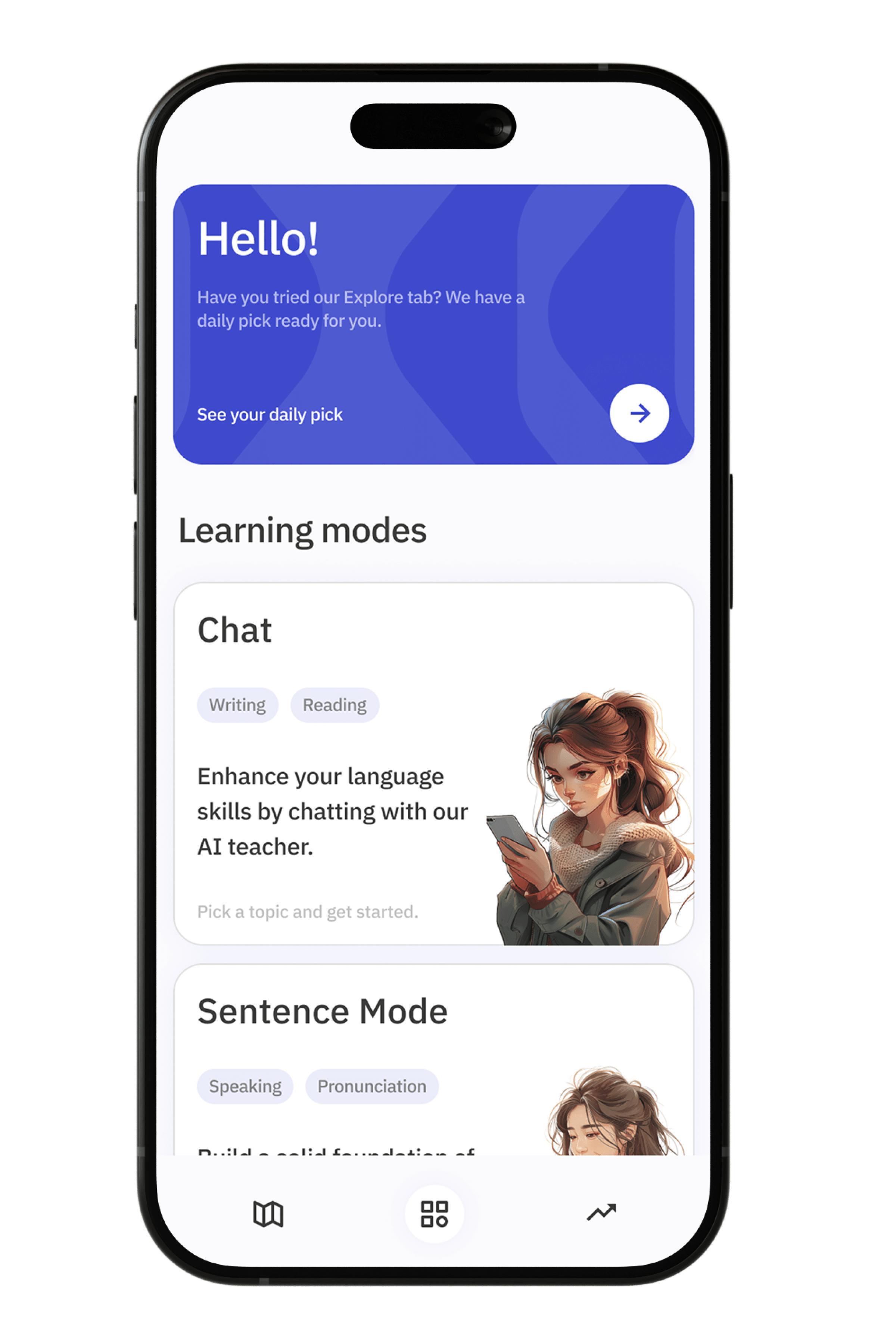
Talkpal is AI-powered language tutor. Master 50+ languages with personalized lessons and cutting-edge technology.