
Pick a language and start learning!






Superlative form of adverbs Exercises in Swahili language

In Swahili, as in many languages, adverbs play a crucial role in adding detail and nuance to sentences. When we talk about actions or qualities at their highest degree, we use the superlative form of adverbs. This form allows us to express concepts such as "fastest," "most beautifully," or "most carefully." Mastering superlatives in Swahili can significantly enhance your fluency and ability to convey precise meanings, making your speech and writing more expressive and effective.
To form the superlative of adverbs in Swahili, specific structures and suffixes are employed. Unlike English, where we might add "-est" or use "most" before an adverb, Swahili often uses the prefix "zaidi ya" or "zaidi" to convey the superlative. For example, "haraka" (quickly) becomes "zaidi ya haraka" (quickest/most quickly). This page will guide you through a series of grammar exercises designed to help you understand and use these superlative forms correctly. By practicing these exercises, you will become more adept at spotting and using superlative adverbs, enhancing both your comprehension and communication skills in Swahili.
Exercise 1
<p>1. John anafanya kazi *kwa bidii zaidi* (work hard).</p>
<p>2. Mwita anakimbia *kwa haraka zaidi* (run fast).</p>
<p>3. Jane anapika *kwa ustadi zaidi* (cook skillfully).</p>
<p>4. Mtoto anacheza *kwa furaha zaidi* (play joyfully).</p>
<p>5. Mary anasoma *kwa makini zaidi* (study carefully).</p>
<p>6. Sam anakula *kwa haraka zaidi* (eat quickly).</p>
<p>7. Mzee anatembea *kwa polepole zaidi* (walk slowly).</p>
<p>8. Mwimbaji anaimba *kwa sauti zaidi* (sing loudly).</p>
<p>9. Mwalimu anafundisha *kwa ufasaha zaidi* (teach clearly).</p>
<p>10. Daktari anafanya upasuaji *kwa umakini zaidi* (perform surgery precisely).</p>
Exercise 2
<p>1. Mtoto wangu anacheza *vizuri zaidi* kuliko watoto wengine (superlative form of "well").</p>
<p>2. Aliandika insha yake *haraka zaidi* kuliko wanafunzi wote (superlative form of "quickly").</p>
<p>3. Alimaliza kazi yake *mapema zaidi* kuliko sisi wote (superlative form of "early").</p>
<p>4. Alikimbia *mbio zaidi* kuliko kila mtu (superlative form of "fast").</p>
<p>5. Alijibu maswali *sahihi zaidi* kuliko wanafunzi wote (superlative form of "correctly").</p>
<p>6. Yeye hufanya kazi yake *kwa bidii zaidi* kuliko wafanyakazi wote (superlative form of "diligently").</p>
<p>7. Aliongea *kwa ufasaha zaidi* kuliko waandishi wote (superlative form of "fluently").</p>
<p>8. Aliendesha gari lake *kwa uangalifu zaidi* kuliko madereva wote (superlative form of "carefully").</p>
<p>9. Alipika chakula chake *laini zaidi* kuliko wapishi wote (superlative form of "softly").</p>
<p>10. Alimsaidia mwalimu *kwa upole zaidi* kuliko wanafunzi wote (superlative form of "gently").</p>
Exercise 3
<p>1. Anaandika *haraka zaidi* kuliko wanafunzi wote (the fastest).</p>
<p>2. Juma hufanya kazi *kwa bidii zaidi* kuliko wafanyakazi wote (the hardest).</p>
<p>3. Mtoto huyu anacheka *kwa sauti zaidi* kuliko watoto wote (the loudest).</p>
<p>4. Samaki huyo huogelea *kwa kasi zaidi* kuliko samaki wengine (the fastest).</p>
<p>5. Mwalimu anafundisha *kwa ufanisi zaidi* kuliko walimu wote (the most effectively).</p>
<p>6. Mbwa huyu hukimbia *kwa haraka zaidi* kuliko mbwa wote (the fastest).</p>
<p>7. Mwanariadha huyu anafika *mapema zaidi* kuliko wenzake wote (the earliest).</p>
<p>8. Anaandika ripoti *kwa uangalifu zaidi* kuliko wafanyakazi wote (the most carefully).</p>
<p>9. Mtoto huyu hula *polepole zaidi* kuliko watoto wote (the slowest).</p>
<p>10. Wanafunzi wa darasa hili husoma *kwa bidii zaidi* kuliko wanafunzi wote (the hardest).</p>
Learn a Language 5x Faster with AI
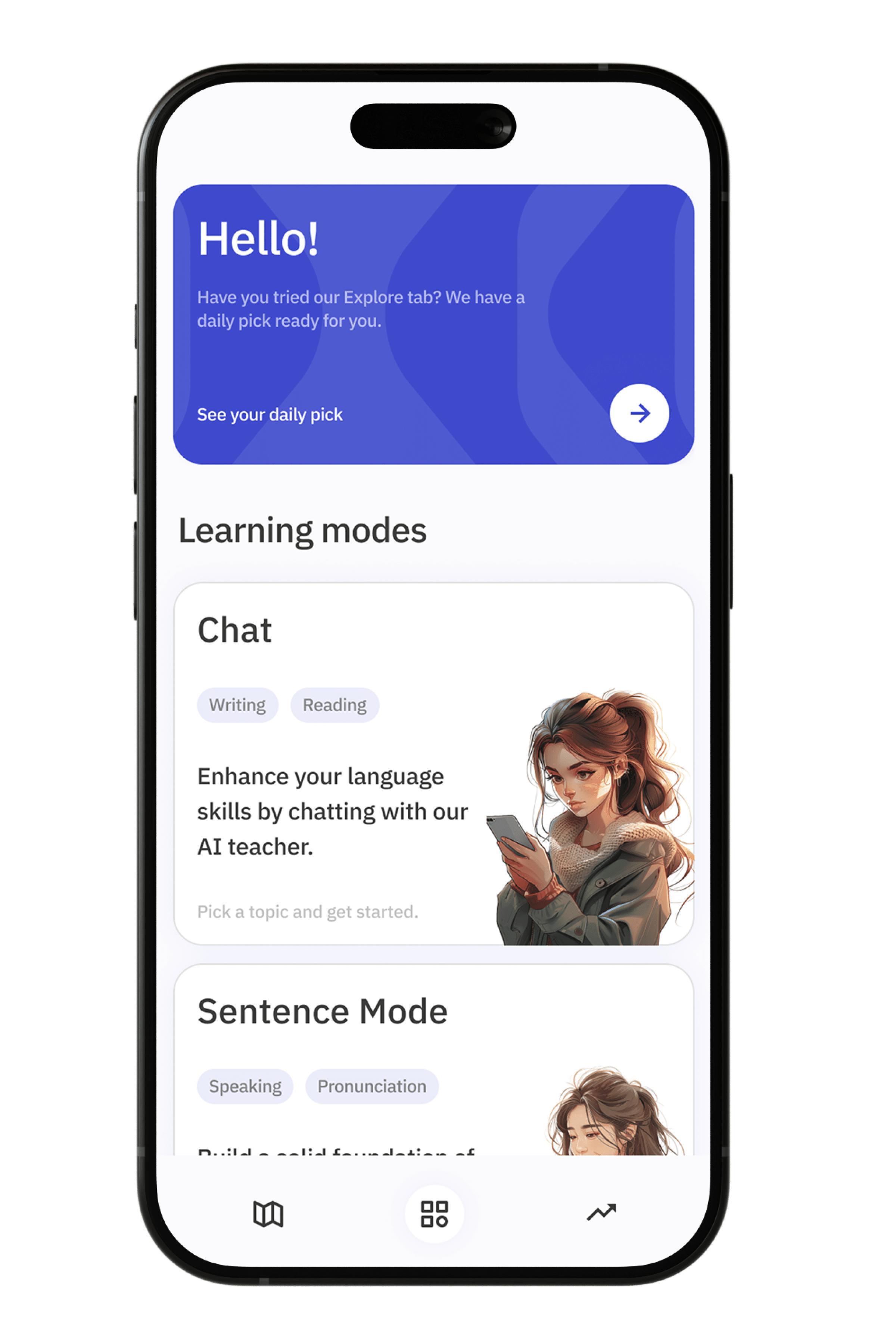
Talkpal is AI-powered language tutor. Master 50+ languages with personalized lessons and cutting-edge technology.