
Pick a language and start learning!






Third-Person Pronouns Exercises in Japanese language

Mastering third-person pronouns in Japanese can be quite challenging for English speakers due to the nuanced and context-dependent nature of the language. Unlike English, which has a straightforward system of "he," "she," and "they," Japanese pronouns depend heavily on social hierarchy, formality, and gender distinctions. This complexity is compounded by the fact that third-person pronouns are often omitted in casual conversation, relying instead on context to convey meaning. Our exercises are designed to help you navigate these subtleties, ensuring you can use third-person pronouns accurately and appropriately in various situations.
In Japanese, third-person pronouns such as "彼" (kare) for "he" and "彼女" (kanojo) for "she" are used less frequently than their English counterparts. Instead, Japanese speakers often use names, titles, or job positions to refer to others when the context is clear. This makes understanding and practicing the correct use of third-person pronouns essential for effective communication, especially in formal or written contexts where precision is key. Through a series of targeted exercises, you will gain a deeper understanding of how to apply these pronouns, improving both your comprehension and conversational skills in Japanese.
Exercise 1
<p>1. 彼は毎朝ジョギングをします。(*かれ*) (Third-person male pronoun)</p>
<p>2. 彼女の趣味は絵を描くことです。(*かのじょ*) (Third-person female pronoun)</p>
<p>3. 彼らはサッカーチームに所属しています。(*かれら*) (Third-person plural pronoun)</p>
<p>4. 彼の部屋はとても綺麗です。(*かれ*) (Third-person male pronoun)</p>
<p>5. 彼女はピアノを弾くのが上手です。(*かのじょ*) (Third-person female pronoun)</p>
<p>6. 彼らの家は駅の近くにあります。(*かれら*) (Third-person plural pronoun)</p>
<p>7. 彼の犬はとてもかわいいです。(*かれ*) (Third-person male pronoun)</p>
<p>8. 彼女は日本料理が大好きです。(*かのじょ*) (Third-person female pronoun)</p>
<p>9. 彼らは毎週末に映画を見ます。(*かれら*) (Third-person plural pronoun)</p>
<p>10. 彼の車は新しいです。(*かれ*) (Third-person male pronoun)</p>
Exercise 2
<p>1. 彼は昨日、新しい本を買いました。(*かれは*) (pronoun for "he").</p>
<p>2. 彼女の誕生日は来月です。(*かのじょの*) (possessive pronoun for "she").</p>
<p>3. 彼らは映画を見に行きました。(*かれらは*) (pronoun for "they" - group including males).</p>
<p>4. 彼女たちはテニスをしていました。(*かのじょたちは*) (pronoun for "they" - group of females).</p>
<p>5. 彼の犬はとてもかわいいです。(*かれの*) (possessive pronoun for "he").</p>
<p>6. 彼女の趣味は読書です。(*かのじょの*) (possessive pronoun for "she").</p>
<p>7. 彼らの家は大きいです。(*かれらの*) (possessive pronoun for "they" - group including males).</p>
<p>8. 彼の友達はアメリカ人です。(*かれの*) (possessive pronoun for "he").</p>
<p>9. 彼女はピアノが上手です。(*かのじょは*) (pronoun for "she").</p>
<p>10. 彼らの猫はとても元気です。(*かれらの*) (possessive pronoun for "they" - group including males).</p>
Exercise 3
<p>1. *彼*は学生です (third-person male pronoun).</p>
<p>2. *彼女*の名前は美咲です (third-person female pronoun).</p>
<p>3. あの本は*彼*のものです (third-person male pronoun).</p>
<p>4. *彼女*は毎朝ジョギングをします (third-person female pronoun).</p>
<p>5. *彼*は新しい仕事を見つけました (third-person male pronoun).</p>
<p>6. *彼女*は料理が得意です (third-person female pronoun).</p>
<p>7. *彼*はアメリカに住んでいます (third-person male pronoun).</p>
<p>8. *彼女*はピアノを弾くのが好きです (third-person female pronoun).</p>
<p>9. *彼*の趣味は読書です (third-person male pronoun).</p>
<p>10. *彼女*は旅行が大好きです (third-person female pronoun).</p>
Learn a Language 5x Faster with AI
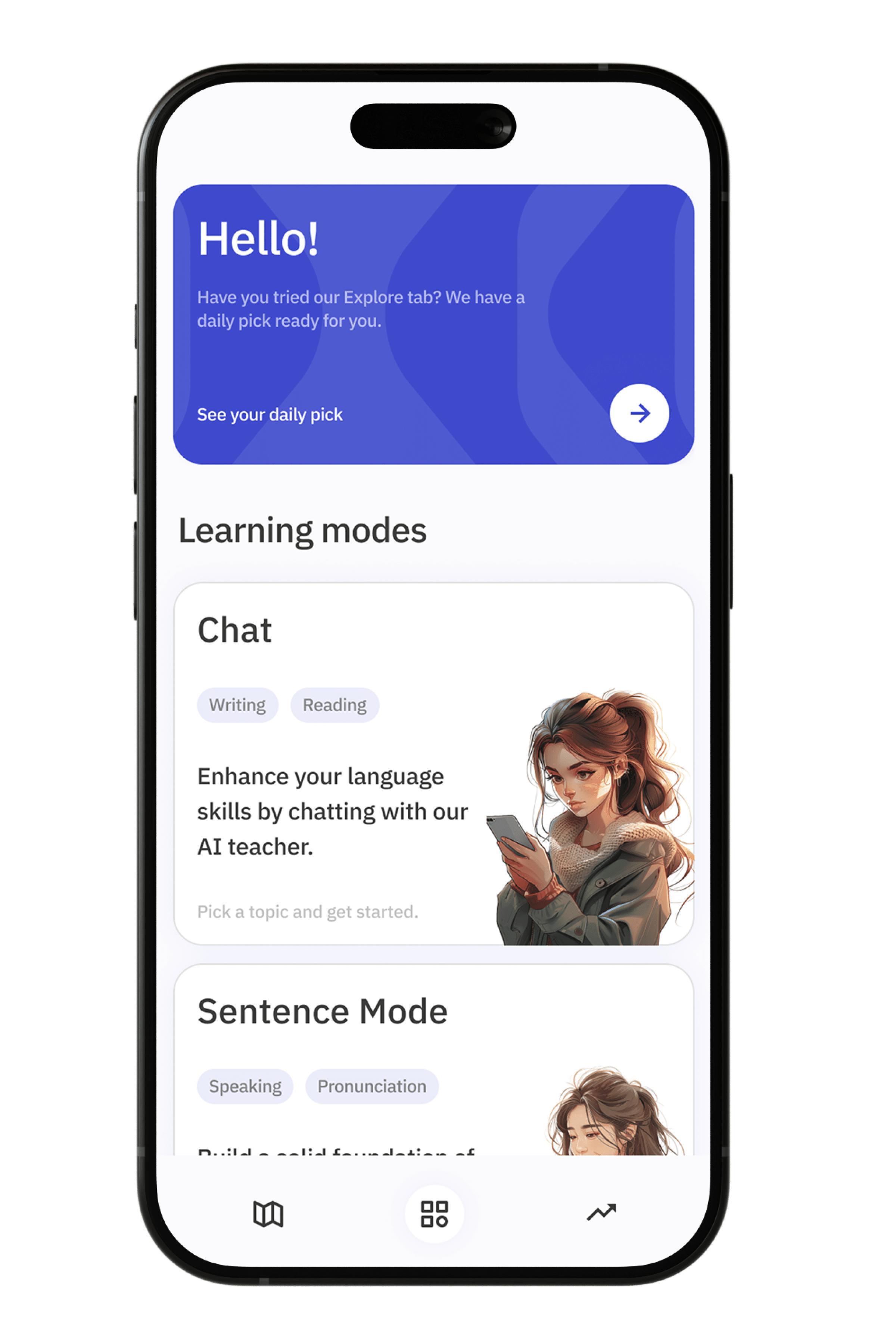
Talkpal is AI-powered language tutor. Master 50+ languages with personalized lessons and cutting-edge technology.