
Pick a language and start learning!






Time adverbs Exercises in English language

Time adverbs play a crucial role in English by providing specific details about when an action occurs. These adverbs help to clarify the timing, frequency, and duration of events, making sentences more precise and informative. Words like "yesterday," "today," "tomorrow," "often," "rarely," "always," and "never" are commonly used time adverbs that can significantly alter the meaning of a sentence. Understanding how to use these adverbs correctly can enhance both written and spoken communication, allowing for clearer and more effective expression.
Mastering time adverbs involves more than just memorizing vocabulary; it requires knowing their proper placement within a sentence and recognizing how they interact with different tenses. For example, time adverbs like "recently" or "lately" are typically used with the present perfect tense, while "yesterday" and "last year" often accompany the simple past tense. By practicing with various exercises, you can develop a strong grasp of these nuances, ultimately improving your overall language skills. This page is dedicated to providing a range of exercises that will help you practice and master the use of time adverbs in diverse contexts.
Exercise 1
<p>1. She *always* brushes her teeth before bed (frequency).</p>
<p>2. We will *soon* visit our grandparents (imminent future).</p>
<p>3. He has *never* been to Paris (negation of experience).</p>
<p>4. They *often* go hiking on weekends (frequency).</p>
<p>5. I *rarely* eat fast food (infrequent occurrence).</p>
<p>6. She is *currently* working on her thesis (present moment).</p>
<p>7. The train arrives *at 8:00 PM* every day (specific time).</p>
<p>8. We *usually* have dinner at 7 PM (common routine).</p>
<p>9. He finished his homework *already* (completed action).</p>
<p>10. The store opens *every day* at 9 AM (daily routine).</p>
Exercise 2
<p>1. She *always* wakes up early in the morning (adverb indicating routine).</p>
<p>2. They *rarely* go to the cinema (adverb indicating infrequency).</p>
<p>3. I *sometimes* eat pizza for dinner (adverb indicating occasional action).</p>
<p>4. He *never* forgets his keys (adverb indicating no occurrence).</p>
<p>5. We *usually* have coffee after lunch (adverb indicating common action).</p>
<p>6. She *often* reads before going to bed (adverb indicating frequent action).</p>
<p>7. They *seldom* visit their grandparents (adverb indicating infrequent action).</p>
<p>8. I *frequently* check my email (adverb indicating repeated action).</p>
<p>9. She *normally* finishes her homework by 8 PM (adverb indicating typical action).</p>
<p>10. He *occasionally* goes for a run in the park (adverb indicating sporadic action).</p>
Exercise 3
<p>1. She *usually* goes to the gym after work (frequency adverb).</p>
<p>2. They *often* visit their grandparents on weekends (frequency adverb).</p>
<p>3. I have *never* seen such a beautiful sunset before (negative frequency adverb).</p>
<p>4. He *rarely* eats fast food because he prefers home-cooked meals (frequency adverb).</p>
<p>5. We *sometimes* take a walk in the park when the weather is nice (frequency adverb).</p>
<p>6. She *always* brings her notebook to class (frequency adverb).</p>
<p>7. He has *already* finished his homework (time adverb indicating a completed action).</p>
<p>8. They *hardly ever* go to the movies because they prefer watching films at home (frequency adverb).</p>
<p>9. We *recently* moved to a new city for my job (time adverb indicating a recent action).</p>
<p>10. I *usually* wake up early on weekdays but sleep in on weekends (frequency adverb).</p>
Learn a Language 5x Faster with AI
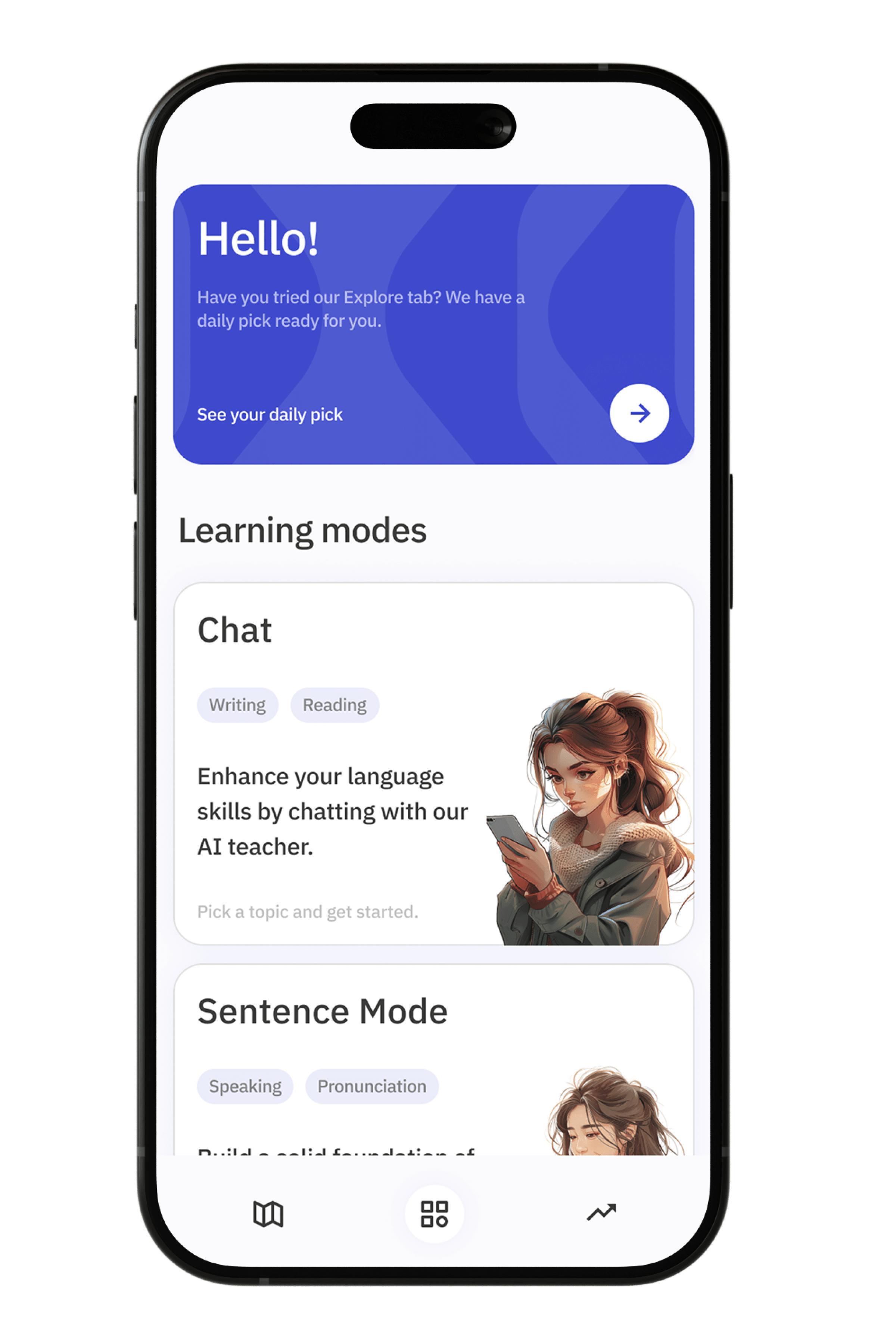
Talkpal is AI-powered language tutor. Master 50+ languages with personalized lessons and cutting-edge technology.