
Pick a language and start learning!






Use of past tense to narrate events Exercises in Czech language

Mastering the use of past tense is essential when narrating events in the Czech language, as it allows you to convey stories, historical accounts, and personal experiences accurately and vividly. Czech, like many other languages, has a rich system of verb conjugation that changes with the tense. Understanding how to correctly form and use the past tense will significantly enhance your ability to communicate effectively. Whether you're recounting a memorable trip, describing a significant historical event, or sharing a personal anecdote, using the past tense correctly is crucial to ensure your audience understands the sequence and context of events.
In Czech, the past tense is primarily formed using the auxiliary verb "být" (to be) in the past form, along with the past participle of the main verb. This structure can vary depending on the subject pronoun and the gender of the subject. Additionally, Czech verbs often undergo changes in their stem when conjugated into the past tense. These grammatical rules might seem complex at first, but with practice and familiarity, they become more intuitive. Our grammar exercises are designed to guide you through these nuances, providing you with the tools and practice needed to confidently narrate events in the past tense.
Exercise 1
<p>1. Včera jsem *četl* knihu (verb for reading).</p>
<p>2. Minulý týden jsme *navštívili* babičku (verb for visiting).</p>
<p>3. Když jsem byl malý, často jsem *hrál* fotbal (verb for playing).</p>
<p>4. Ona *uvařila* večeři pro celou rodinu (verb for cooking).</p>
<p>5. Minulou sobotu jsme *šli* do kina (verb for going).</p>
<p>6. Ráno jsem *vstal* velmi brzy (verb for waking up).</p>
<p>7. Minulé léto jsme *cestovali* po Evropě (verb for traveling).</p>
<p>8. On *nakreslil* krásný obraz (verb for drawing).</p>
<p>9. Včera jsem *viděl* nový film (verb for seeing).</p>
<p>10. Ona *psala* dopis své kamarádce (verb for writing).</p>
Exercise 2
<p>1. Včera jsem *četl* knihu o historii. (verb for reading, male speaker)</p>
<p>2. Ona *uvařila* večeři pro celou rodinu. (verb for cooking)</p>
<p>3. Minulý týden jsme *navštívili* hrad Karlštejn. (verb for visiting, we)</p>
<p>4. On *koupil* nový mobilní telefon. (verb for buying, male speaker)</p>
<p>5. Ráno jsem *běžel* v parku. (verb for running, male speaker)</p>
<p>6. Oni *jmenovali* nového ředitele. (verb for appointing)</p>
<p>7. Předevčírem jsem *psal* dopis svému příteli. (verb for writing, male speaker)</p>
<p>8. Vy *viděli* film v kině? (verb for seeing, you plural)</p>
<p>9. Ona *ztratila* klíče od bytu. (verb for losing, female speaker)</p>
<p>10. Rodiče *dali* dětem dárky k narozeninám. (verb for giving)</p>
Exercise 3
<p>1. Včera jsem *šel* na procházku do parku (verb for walking).</p>
<p>2. Minulý týden jsme *navštívili* naše prarodiče na venkově (verb for visiting).</p>
<p>3. Když jsem byl malý, často jsem *hrál* fotbal s kamarády (verb for playing).</p>
<p>4. Ona *četla* knihu celou noc (verb for reading).</p>
<p>5. Minulý rok jsme *byli* na dovolené v Itálii (verb for being).</p>
<p>6. On *uvařil* večeři pro celou rodinu (verb for cooking).</p>
<p>7. Včera jsme *viděli* nový film v kině (verb for seeing).</p>
<p>8. Před týdnem jsem *dostal* dopis od přítele (verb for receiving).</p>
<p>9. Ona *koupila* nové šaty na ples (verb for buying).</p>
<p>10. Minulý měsíc jsem *začal* nový kurz češtiny (verb for starting).</p>
Learn a Language 5x Faster with AI
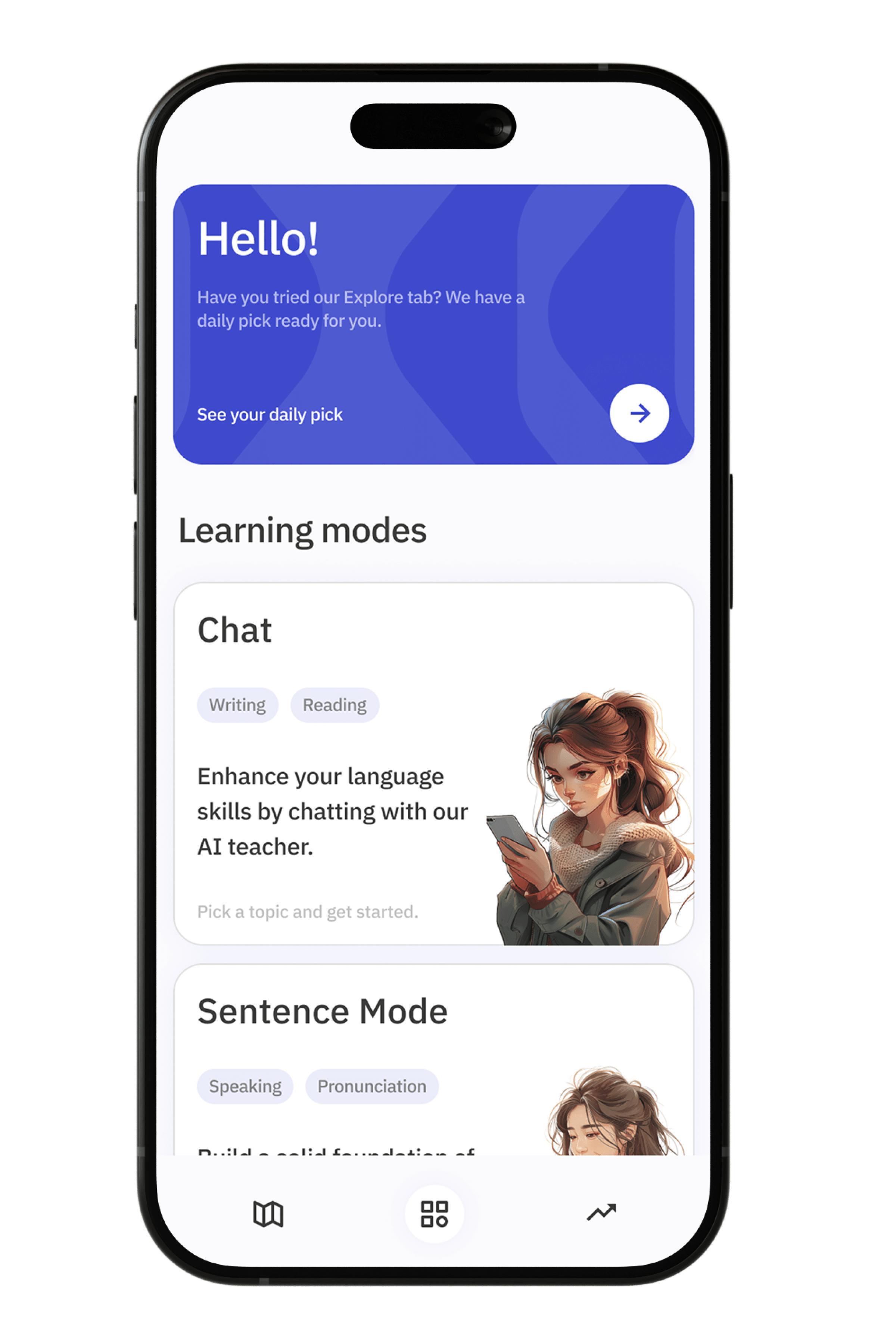
Talkpal is AI-powered language tutor. Master 50+ languages with personalized lessons and cutting-edge technology.