
Pick a language and start learning!






Using ‘मा’ Exercises in Nepali language

In Nepali, the postposition 'मा' is a versatile grammatical tool used to indicate location, time, and certain abstract relationships. Understanding how to use 'मा' correctly is crucial for constructing meaningful and accurate sentences. When used to denote location, 'मा' functions similarly to the English prepositions 'in' or 'at.' For example, "घरमा" translates to "in the house." Similarly, to specify a particular time or event, 'मा' can be used, as in "साँझमा" meaning "in the evening." Mastering these applications of 'मा' will significantly enhance your ability to communicate effectively in Nepali.
Beyond denoting physical locations and time, 'मा' also plays a pivotal role in expressing conditions and states of being. For instance, it can be used to indicate a state of mind or a condition, such as in the sentence "उनको मनमा खुशी छ," which means "There is happiness in his/her mind." Additionally, 'मा' can be employed to show possession, as in "मेरो हातमा कलम छ," translating to "There is a pen in my hand." By practicing the varied uses of 'मा,' learners can gain a deeper understanding of Nepali syntax and improve their fluency in the language.
Exercise 1
<p>1. मेरो घर *काठमाडौंमा* छ (capital city of Nepal).</p>
<p>2. म बिहान *विद्यालयमा* जान्छु (place where students study).</p>
<p>3. हामीले पार्टी *होटलमा* राख्यौं (place where events are hosted).</p>
<p>4. ऊ *कार्यालयमा* काम गर्छ (place where people work).</p>
<p>5. बिरालो *कुर्सीमा* सुतिरहेको छ (furniture used for sitting).</p>
<p>6. बच्चाहरू खेल *मैदानमा* खेल्दै छन् (open space for sports).</p>
<p>7. मैले खाना *भान्सामा* पकाएँ (place where food is cooked).</p>
<p>8. उनीहरू *पार्कमा* हिंड्दै छन् (public place with greenery).</p>
<p>9. हामीले तस्बिर *अन्तरिक्षमा* खिच्यौं (space beyond earth).</p>
<p>10. पुस्तकहरू *किताबमा* लेखिएका छन् (collection of written or printed pages).</p>
Exercise 2
<p>1. म घर *मा* बसेको छु (inside the house).</p>
<p>2. ऊ स्कूल *मा* पढिरहेको छ (at school).</p>
<p>3. हामी नेपाली भाषा *मा* कुरा गर्छौं (in Nepali language).</p>
<p>4. उसले किताब *मा* लेख्यो (in the book).</p>
<p>5. बुबा अफिस *मा* काम गर्नुहुन्छ (at the office).</p>
<p>6. बिरालो बगैँचा *मा* खेलिरहेको छ (in the garden).</p>
<p>7. उनीहरू पसल *मा* सामान किनिरहेका छन् (at the store).</p>
<p>8. म सधैं बिहान योग *मा* ध्यान दिन्छु (in yoga).</p>
<p>9. हामी गाउँ *मा* घुम्न गएका थियौं (in the village).</p>
<p>10. उसको फोटो भित्तामा *मा* झुन्डिएको छ (on the wall).</p>
Exercise 3
<p>1. म *विद्यालयमा* पढ्छु (place where students learn).</p>
<p>2. उनी *बगैंचामा* फूल रोप्दै छन् (place where flowers grow).</p>
<p>3. हामी *घरमा* खाना खान्छौं (place where people live).</p>
<p>4. बुबा *कार्यालयमा* काम गर्नुहुन्छ (place where people work).</p>
<p>5. म *बजारमा* किनमेल गर्न गएको थिएँ (place where people shop).</p>
<p>6. उनीहरु *पार्कमा* खेलिरहेका छन् (place where children play).</p>
<p>7. मैले *भान्सामा* खाना पकाएँ (place where food is cooked).</p>
<p>8. उनी *सिनेमाघरमा* फिल्म हेर्दैछिन् (place where movies are watched).</p>
<p>9. हामी *संग्रहालयमा* पुराना सामान हेर्न गयौं (place where historical items are displayed).</p>
<p>10. बच्चाहरु *विद्यालयमा* सिकिरहेका छन् (place where education happens).</p>
Learn a Language 5x Faster with AI
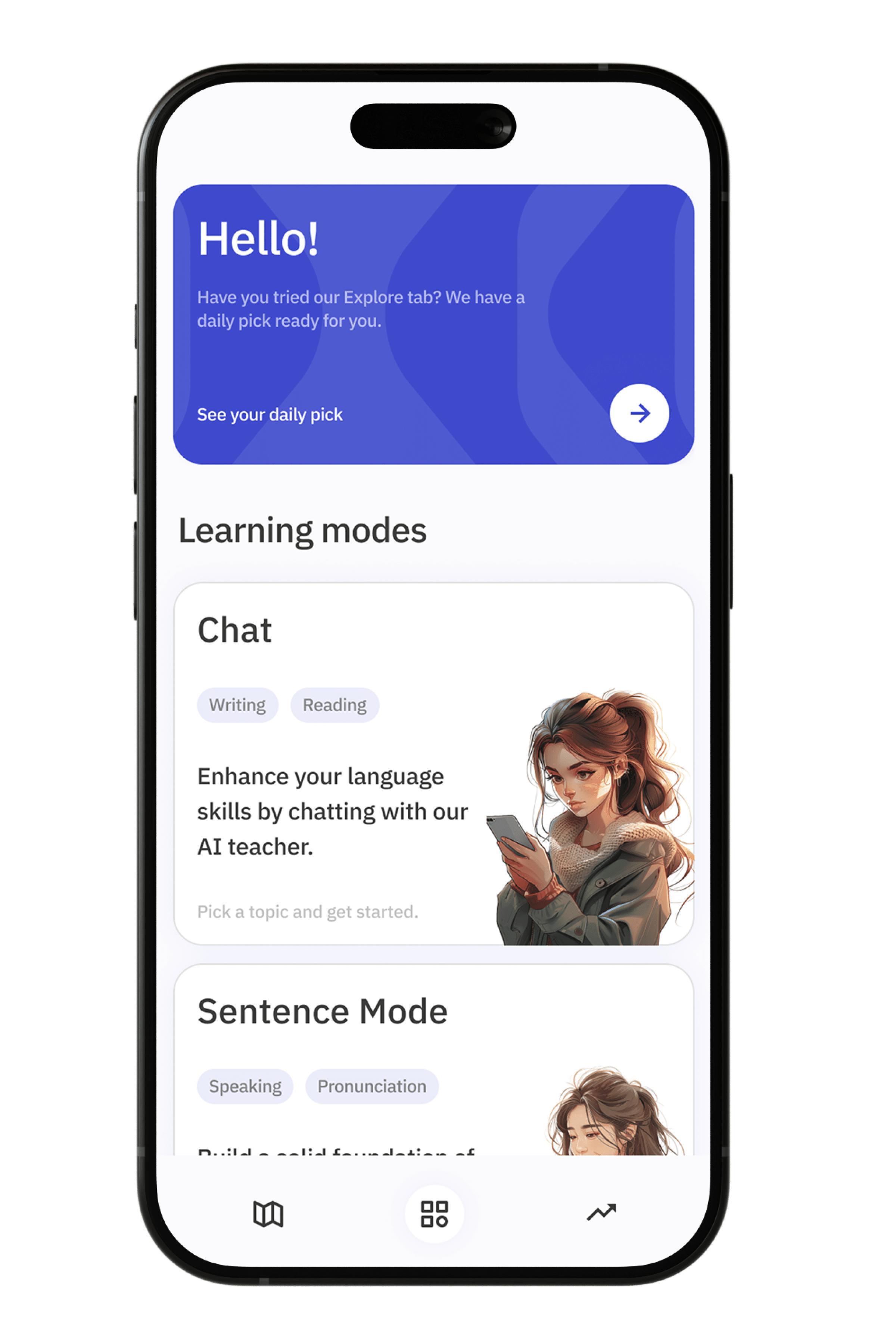
Talkpal is AI-powered language tutor. Master 50+ languages with personalized lessons and cutting-edge technology.