
Pick a language and start learning!






Using ‘मुनी’ Exercises in Nepali language

'मुनी' in Nepali is a versatile word often used to indicate the concept of 'under' or 'below.' Understanding how to use 'मुनी' correctly can greatly enhance your fluency in the language, as it appears frequently in both spoken and written contexts. Just like in English, where we use prepositions to convey spatial relationships, 'मुनी' helps to describe the position of objects, people, or places in relation to one another. For instance, you might say "घरको मुनी" to mean "under the house" or "रुखको मुनी" to mean "under the tree."
In this set of grammar exercises, we will explore various ways to use 'मुनी' effectively in different sentences. By practicing these exercises, you will gain a clearer understanding of how to position 'मुनी' correctly within a sentence structure and how it interacts with other words. Whether you're a beginner or looking to refine your skills, these exercises are designed to build your confidence and proficiency in Nepali. Prepare to delve into examples, complete sentences, and even translate phrases to master the usage of 'मुनी' and improve your overall command of the Nepali language.
Exercise 1
<p>1. The cat is hiding *मुनी* the table (preposition indicating under).</p>
<p>2. The book fell *मुनी* the chair (preposition indicating under).</p>
<p>3. The dog is sleeping *मुनी* the bed (preposition indicating under).</p>
<p>4. The pen rolled *मुनी* the cupboard (preposition indicating under).</p>
<p>5. The ball is stuck *मुनी* the car (preposition indicating under).</p>
<p>6. The shoes are kept *मुनी* the bench (preposition indicating under).</p>
<p>7. The phone slipped *मुनी* the couch (preposition indicating under).</p>
<p>8. The mouse ran *मुनी* the cabinet (preposition indicating under).</p>
<p>9. The keys are lost *मुनी* the sofa (preposition indicating under).</p>
<p>10. The bird is nesting *मुनी* the roof (preposition indicating under).</p>
Exercise 2
<p>1. The cat is hiding *मुनी* the table (location under something).</p>
<p>2. There is a beautiful garden *मुनी* the hill (location below a hill).</p>
<p>3. The boy found his toy *मुनी* the bed (location underneath a piece of furniture).</p>
<p>4. The treasure is buried *मुनी* the tree (position under a tree).</p>
<p>5. She placed the book *मुनी* the pillow (where to place something under another item).</p>
<p>6. The river flows *मुनी* the bridge (where a river might flow in relation to a bridge).</p>
<p>7. He parked his car *मुनी* the shade (location under something that provides shade).</p>
<p>8. The dog is sleeping *मुनी* the chair (where an animal might sleep in relation to a chair).</p>
<p>9. The shoes are kept *मुनी* the bench (where shoes might be stored).</p>
<p>10. The lamp is placed *मुनी* the shelf (position in relation to a shelf).</p>
Exercise 3
<p>1. किताब मेचको *मुनी* छ (under the table).</p>
<p>2. बिरालो ओछ्यानको *मुनी* सुतिरहेको छ (under the bed).</p>
<p>3. चाबी दराजको *मुनी* राखिएको छ (under the drawer).</p>
<p>4. जुत्ता सोफाको *मुनी* छ (under the sofa).</p>
<p>5. बच्चा कुर्सीको *मुनी* लुकेको छ (under the chair).</p>
<p>6. मोबाइल टेबलको *मुनी* खसेको छ (under the table).</p>
<p>7. कुकुर कारको *मुनी* छ (under the car).</p>
<p>8. पानीको बोतल झोलाको *मुनी* छ (under the bag).</p>
<p>9. कलम किताबको *मुनी* छ (under the book).</p>
<p>10. फूल भुइँको *मुनी* छ (under the ground).</p>
Learn a Language 5x Faster with AI
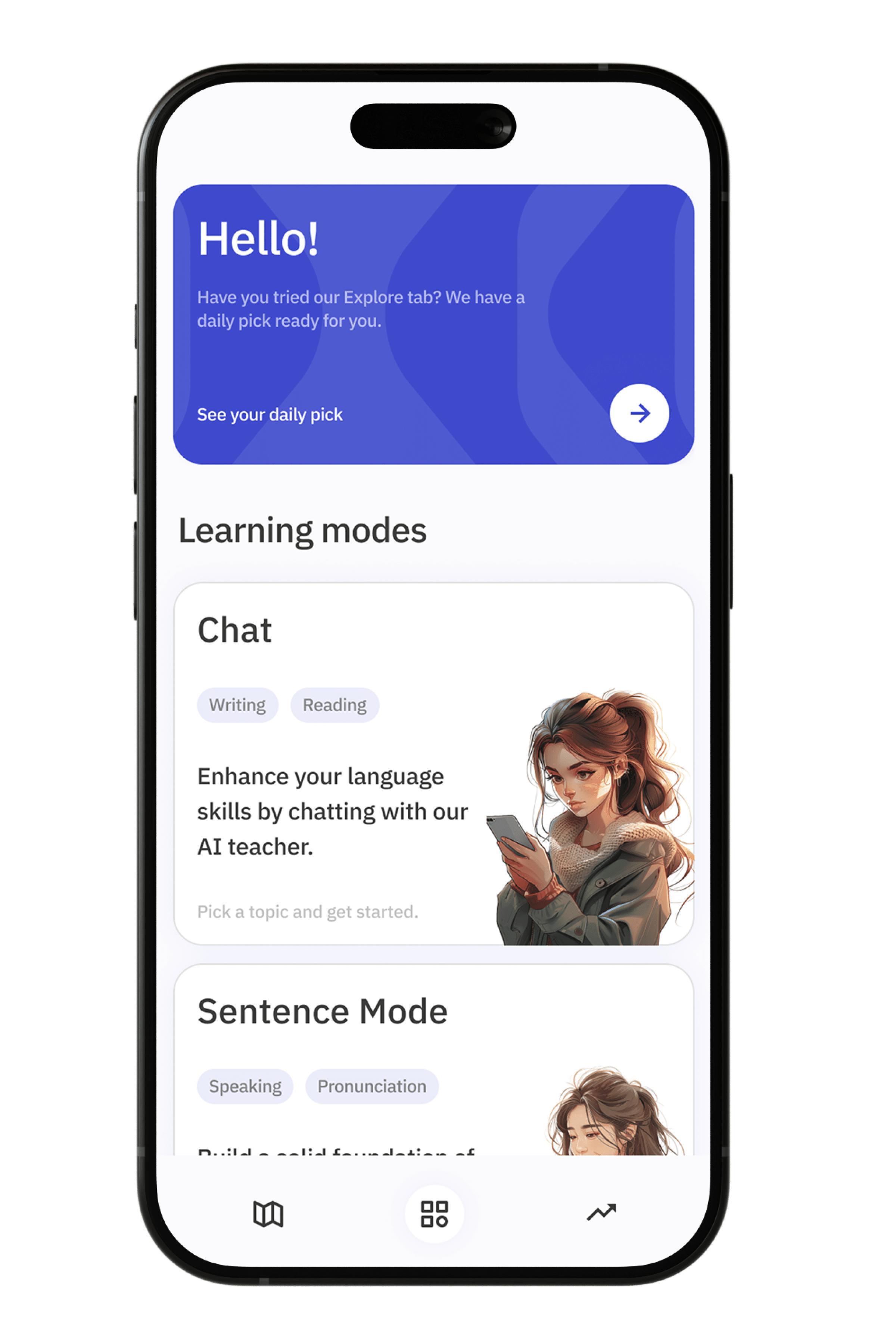
Talkpal is AI-powered language tutor. Master 50+ languages with personalized lessons and cutting-edge technology.