
Pick a language and start learning!






Using conjunctions with adverbs Exercises in Korean language

Mastering conjunctions and adverbs is a crucial step in achieving fluency in the Korean language. These elements not only enhance the complexity and nuance of your sentences but also enable you to express ideas more clearly and effectively. Conjunctions help in linking words, phrases, and clauses, while adverbs modify verbs, adjectives, or other adverbs to provide more information about how, when, where, or to what extent something occurs. Understanding how to correctly use conjunctions with adverbs can significantly improve your Korean language skills, making your conversations more natural and coherent.
In Korean, conjunctions and adverbs work together to create intricate sentence structures that convey detailed meanings. For instance, using conjunctions like 그리고 (and), 그러나 (but), and 그래서 (so) alongside adverbs such as 빨리 (quickly), 천천히 (slowly), and 자주 (often) can transform simple statements into more sophisticated and nuanced expressions. This page offers a variety of grammar exercises designed to help you practice and perfect the use of conjunctions with adverbs in Korean. Through these exercises, you will gain a deeper understanding of sentence construction and improve your ability to communicate more precisely and elegantly in Korean.
Exercise 1
<p>1. 그는 열심히 공부했고 *그래서* 시험에서 좋은 성적을 받았어요 (conjunction indicating result).</p>
<p>2. 나는 피곤했지만 *그래도* 운동을 했어요 (conjunction indicating contrast).</p>
<p>3. 그녀는 아침에 일찍 일어나서 *곧* 출발했어요 (adverb indicating immediacy).</p>
<p>4. 우리는 영화를 보고 *그리고* 저녁을 먹었어요 (conjunction indicating sequence).</p>
<p>5. 그는 늦었지만 *결국* 도착했어요 (adverb indicating final outcome).</p>
<p>6. 그녀는 열심히 일했고 *따라서* 승진했어요 (conjunction indicating consequence).</p>
<p>7. 나는 집에 가고 싶었지만 *하지만* 일이 많았어요 (conjunction indicating opposition).</p>
<p>8. 우리는 날씨가 좋았고 *그래서* 소풍을 갔어요 (conjunction indicating reason).</p>
<p>9. 그는 실수를 했지만 *그래도* 용서를 받았어요 (conjunction indicating concession).</p>
<p>10. 나는 시험을 잘 봤고 *따라서* 부모님이 기뻐하셨어요 (conjunction indicating result).</p>
Exercise 2
<p>1. 그는 너무 피곤해서 *결국* 잠들었다 (adverb meaning "finally").</p>
<p>2. 나는 아침에 일찍 일어나기 *위해* 일찍 잔다 (conjunction meaning "in order to").</p>
<p>3. 그녀는 아프지만 *그래도* 학교에 갔다 (adverb meaning "still" or "nevertheless").</p>
<p>4. 우리는 열심히 공부했는데 *그러나* 시험을 잘 못 봤다 (conjunction meaning "but").</p>
<p>5. 그는 집에 돌아왔지만 *결국* 다시 나갔다 (adverb meaning "eventually").</p>
<p>6. 나는 영화를 보고 싶지만 *하지만* 시간이 없었다 (conjunction meaning "however").</p>
<p>7. 그는 늦게까지 일했지만 *그래도* 피곤하지 않았다 (adverb meaning "still" or "nevertheless").</p>
<p>8. 그녀는 매일 운동을 하는데 *그러나* 살이 빠지지 않았다 (conjunction meaning "but").</p>
<p>9. 우리는 늦게 도착했지만 *결국* 모두 모였다 (adverb meaning "eventually").</p>
<p>10. 나는 피곤해서 자고 싶지만 *하지만* 숙제를 해야 한다 (conjunction meaning "however").</p>
Exercise 3
<p>1. 오늘은 날씨가 정말 *좋아서* 산책을 할 거예요 (because the weather is nice).</p>
<p>2. 그는 열심히 공부했지만 *시험에* 떨어졌어요 (failed the exam).</p>
<p>3. 비가 많이 와서 길이 *미끄러워요* (the road is slippery).</p>
<p>4. 나는 너무 피곤해서 일찍 *잤어요* (went to bed early).</p>
<p>5. 어제 친구와 영화를 봤는데 *재미없었어요* (the movie was boring).</p>
<p>6. 엄마가 요리를 잘하셔서 *항상* 맛있게 먹어요 (always enjoy the meal).</p>
<p>7. 그는 열심히 운동해서 몸이 *건강해졌어요* (became healthy).</p>
<p>8. 날씨가 추워서 두꺼운 *옷을* 입었어요 (wore thick clothes).</p>
<p>9. 친구가 도와줘서 숙제를 *끝냈어요* (finished the homework).</p>
<p>10. 지각했지만 선생님이 *이해해주셨어요* (the teacher understood).</p>
Learn a Language 5x Faster with AI
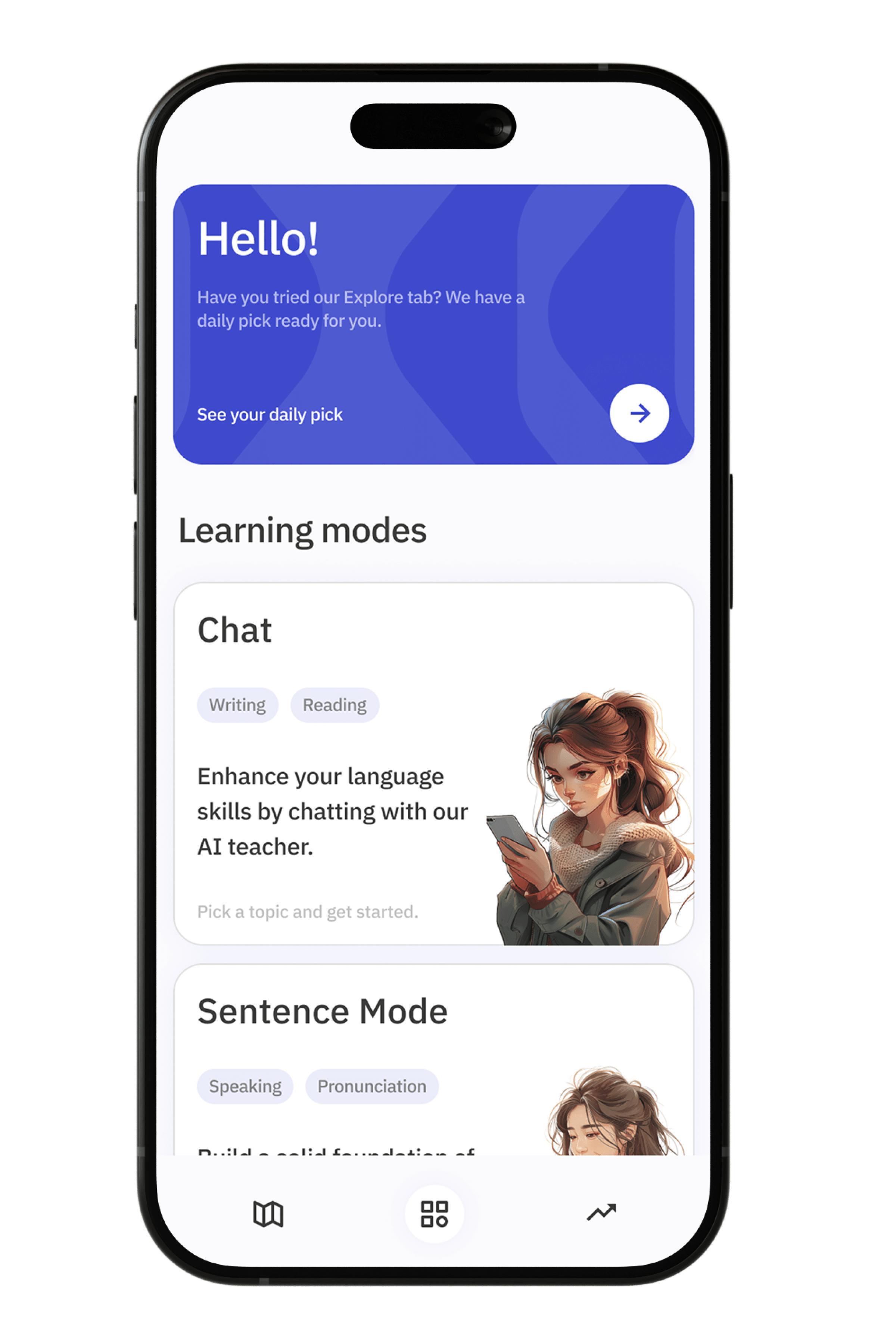
Talkpal is AI-powered language tutor. Master 50+ languages with personalized lessons and cutting-edge technology.