
Pick a language and start learning!






Using “och” and “men” Exercises in Swedish language

Mastering conjunctions is crucial for fluency in any language, and in Swedish, "och" (and) and "men" (but) are two fundamental words that help in linking phrases and sentences. "Och" is used to connect similar ideas or add information, much like its English equivalent "and." For instance, you might say "Jag gillar kaffe och te" to express that you like both coffee and tea. On the other hand, "men" introduces a contrast or exception, akin to the English "but." An example would be "Jag gillar kaffe, men inte te," indicating a preference for coffee over tea.
Understanding the proper use of these conjunctions can significantly enhance your Swedish communication skills. This page offers a variety of grammar exercises designed to help you practice using "och" and "men" in different contexts. By engaging with these exercises, you'll learn not only the mechanics of these conjunctions but also how to use them naturally in conversation. Whether you're a beginner or looking to polish your Swedish, these exercises will provide the practice you need to become more confident in your language abilities.
Exercise 1
<p>1. Jag gillar att cykla *och* simma (conjunction for listing activities).</p>
<p>2. Han är trött *men* han fortsätter arbeta (conjunction for contrasting ideas).</p>
<p>3. Vi ska gå på bio *och* sedan äta middag (conjunction for sequential actions).</p>
<p>4. Hon är snabb *men* inte så stark (conjunction for contrasting qualities).</p>
<p>5. Vi kan åka till stranden *och* njuta av solen (conjunction for two actions happening together).</p>
<p>6. Jag är hungrig *men* vi har ingen mat hemma (conjunction for a contrasting situation).</p>
<p>7. De spelar fotboll *och* tennis varje helg (conjunction for listing sports).</p>
<p>8. Han är väldigt intelligent *men* han kan vara lite lat ibland (conjunction for contrasting personal traits).</p>
<p>9. Vi ska läsa en bok *och* sedan diskutera den (conjunction for actions in sequence).</p>
<p>10. Hon vill resa till Italien *men* hon har inte tillräckligt med pengar (conjunction for expressing a limitation).</p>
Exercise 2
<p>1. Jag tycker om att läsa *och* skriva (conjunction for connecting similar activities).</p>
<p>2. Hon gillar att springa *men* hon hatar att simma (conjunction for contrasting activities).</p>
<p>3. Vi ska åka till Paris *och* London i sommar (conjunction for listing destinations).</p>
<p>4. Han är trött *men* han måste jobba (conjunction for contrasting states).</p>
<p>5. De köpte äpplen *och* bananer på marknaden (conjunction for listing items).</p>
<p>6. Jag vill gå ut *men* det regnar (conjunction for contrasting intentions and reality).</p>
<p>7. Du kan välja mellan kaffe *och* te (conjunction for listing options).</p>
<p>8. Hon är snäll *men* hon kan vara sträng ibland (conjunction for contrasting characteristics).</p>
<p>9. Vi åt middag *och* såg en film (conjunction for listing sequential activities).</p>
<p>10. Han studerar mycket *men* han får dåliga betyg (conjunction for contrasting effort and result).</p>
Exercise 3
<p>1. Jag vill gå till stranden *men* det regnar (contrasting two actions).</p>
<p>2. Vi ska äta middag *och* titta på film (listing two activities).</p>
<p>3. Han älskar att läsa böcker *men* han har inte tid (expressing a contrast).</p>
<p>4. Hon tycker om kaffe *och* te (mentioning two preferences).</p>
<p>5. Vi reste till Stockholm *och* besökte museet (describing a sequence of actions).</p>
<p>6. Han gillar att spela fotboll *men* han är inte så bra på det (indicating a contrast).</p>
<p>7. Barnen vill leka ute *men* det är för kallt (contrasting desire and reality).</p>
<p>8. Jag köpte mjölk *och* bröd i affären (listing items bought).</p>
<p>9. Hon är trött *men* hon måste jobba (indicating contrasting situations).</p>
<p>10. Vi kan gå på bio *och* äta middag efteråt (planning two activities).</p>
Learn a Language 5x Faster with AI
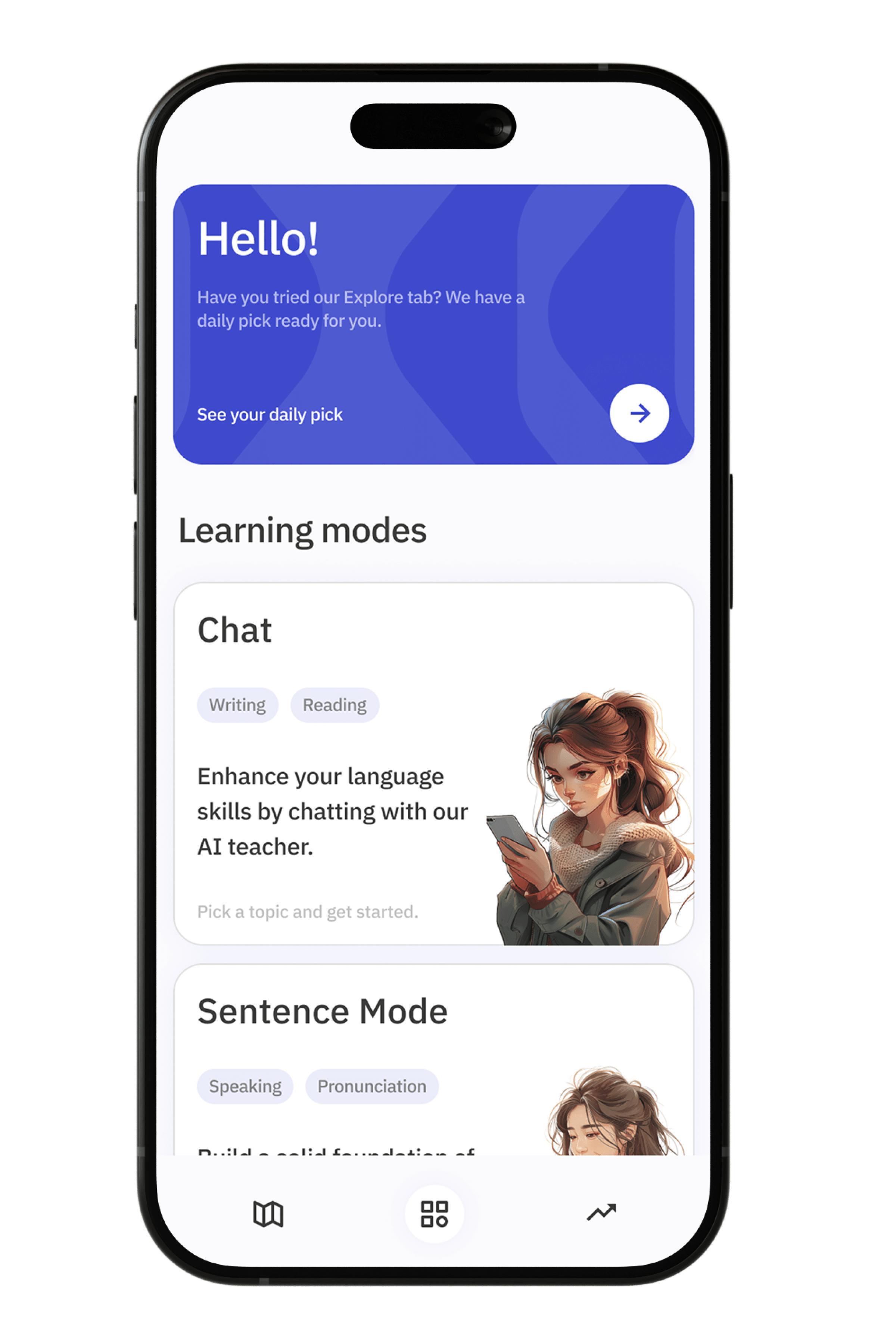
Talkpal is AI-powered language tutor. Master 50+ languages with personalized lessons and cutting-edge technology.