
Pick a language and start learning!






Using subordinating conjunctions (e.g., 그래서, 그러니까) Exercises in Korean language

Mastering the use of subordinating conjunctions is an essential step in achieving fluency in the Korean language. These conjunctions, such as 그래서 (so, therefore) and 그러니까 (so, thus), play a crucial role in connecting clauses and conveying complex ideas with clarity and precision. Unlike in English, where conjunctions like "because" and "although" might be used, Korean subordinating conjunctions often appear at the beginning of clauses and require careful attention to context and sentence structure. Understanding how to effectively use these conjunctions will not only improve your sentence construction but also enhance your ability to engage in more nuanced conversations.
In this section, you will find a variety of grammar exercises specifically designed to help you practice and master subordinating conjunctions in Korean. Each exercise aims to reinforce your understanding of how these conjunctions function within different sentence structures, providing you with practical examples and scenarios. Whether you're a beginner just starting to explore the intricacies of Korean grammar or an advanced learner looking to refine your skills, these exercises will offer valuable practice and insights. By consistently working through these exercises, you'll gain confidence in your ability to use 그래서, 그러니까, and other subordinating conjunctions, ultimately bringing you closer to achieving fluency in Korean.
Exercise 1
<p>1. 오늘은 비가 와서 우산을 챙겼어요. *그래서* (It is raining, so I brought an umbrella.)</p>
<p>2. 그는 열심히 공부했어요. *그러니까* 시험에 합격했어요. (He studied hard, therefore he passed the exam.)</p>
<p>3. 저는 매운 음식을 좋아해요. *그래서* 김치를 자주 먹어요. (I like spicy food, so I often eat kimchi.)</p>
<p>4. 너무 피곤해요. *그러니까* 오늘은 일찍 잘 거예요. (I am very tired, therefore I will go to bed early today.)</p>
<p>5. 친구가 아팠어요. *그래서* 병원에 데려갔어요. (My friend was sick, so I took him to the hospital.)</p>
<p>6. 차가 막혔어요. *그러니까* 늦었어요. (The traffic was heavy, therefore I was late.)</p>
<p>7. 날씨가 추워졌어요. *그래서* 두꺼운 옷을 입었어요. (The weather got cold, so I wore thick clothes.)</p>
<p>8. 나는 운동을 좋아해요. *그러니까* 매일 헬스장에 가요. (I like exercising, therefore I go to the gym every day.)</p>
<p>9. 그는 돈이 없었어요. *그래서* 집에 머물렀어요. (He had no money, so he stayed home.)</p>
<p>10. 시험이 끝났어요. *그러니까* 이제 쉴 수 있어요. (The exam is over, therefore I can rest now.)</p>
Exercise 2
<p>1. 나는 배가 고파서 *그래서* 밥을 먹었다 (conjunction that expresses a result).</p>
<p>2. 비가 왔어. *그러니까* 우산을 가져가야 해 (conjunction indicating logical consequence).</p>
<p>3. 나는 열심히 공부했다. *그래서* 시험에 합격했다 (conjunction that shows the outcome of an action).</p>
<p>4. 그는 아팠다. *그러니까* 병원에 갔다 (conjunction indicating a reason for an action).</p>
<p>5. 나는 돈이 없어서 *그래서* 집에 있었다 (conjunction that explains the reason for staying home).</p>
<p>6. 길이 막혔어. *그러니까* 우리가 늦었어 (conjunction showing the cause of being late).</p>
<p>7. 나는 피곤해서 *그래서* 일찍 잤다 (conjunction indicating the reason for going to bed early).</p>
<p>8. 그는 바빴다. *그러니까* 전화하지 않았다 (conjunction explaining why he didn't call).</p>
<p>9. 날씨가 추웠어. *그래서* 코트를 입었다 (conjunction showing why a coat was worn).</p>
<p>10. 나는 숙제를 다 했다. *그러니까* 놀 수 있다 (conjunction indicating a condition that allows for playing).</p>
Exercise 3
<p>1. 오늘 비가 많이 와서 *그래서* 우산을 가져갔어요 (rain).</p>
<p>2. 이번 주말에 시간이 없어요, *그러니까* 다음 주에 만나요 (weekend).</p>
<p>3. 나는 한국 음식을 좋아해요, *그래서* 자주 한국 식당에 가요 (Korean food).</p>
<p>4. 내일 시험이 있어서, *그러니까* 오늘 공부해야 해요 (exam).</p>
<p>5. 오늘 날씨가 더워요, *그래서* 아이스크림을 먹고 싶어요 (hot weather).</p>
<p>6. 그는 감기에 걸렸어요, *그러니까* 학교에 못 갔어요 (sick).</p>
<p>7. 어제 늦게 잤어요, *그래서* 오늘 피곤해요 (late night).</p>
<p>8. 이 영화는 아주 재미있어요, *그러니까* 꼭 보세요 (interesting movie).</p>
<p>9. 나는 커피를 안 좋아해요, *그래서* 차를 마셔요 (coffee).</p>
<p>10. 내일 중요한 회의가 있어요, *그러니까* 늦지 마세요 (important meeting).</p>
Learn a Language 5x Faster with AI
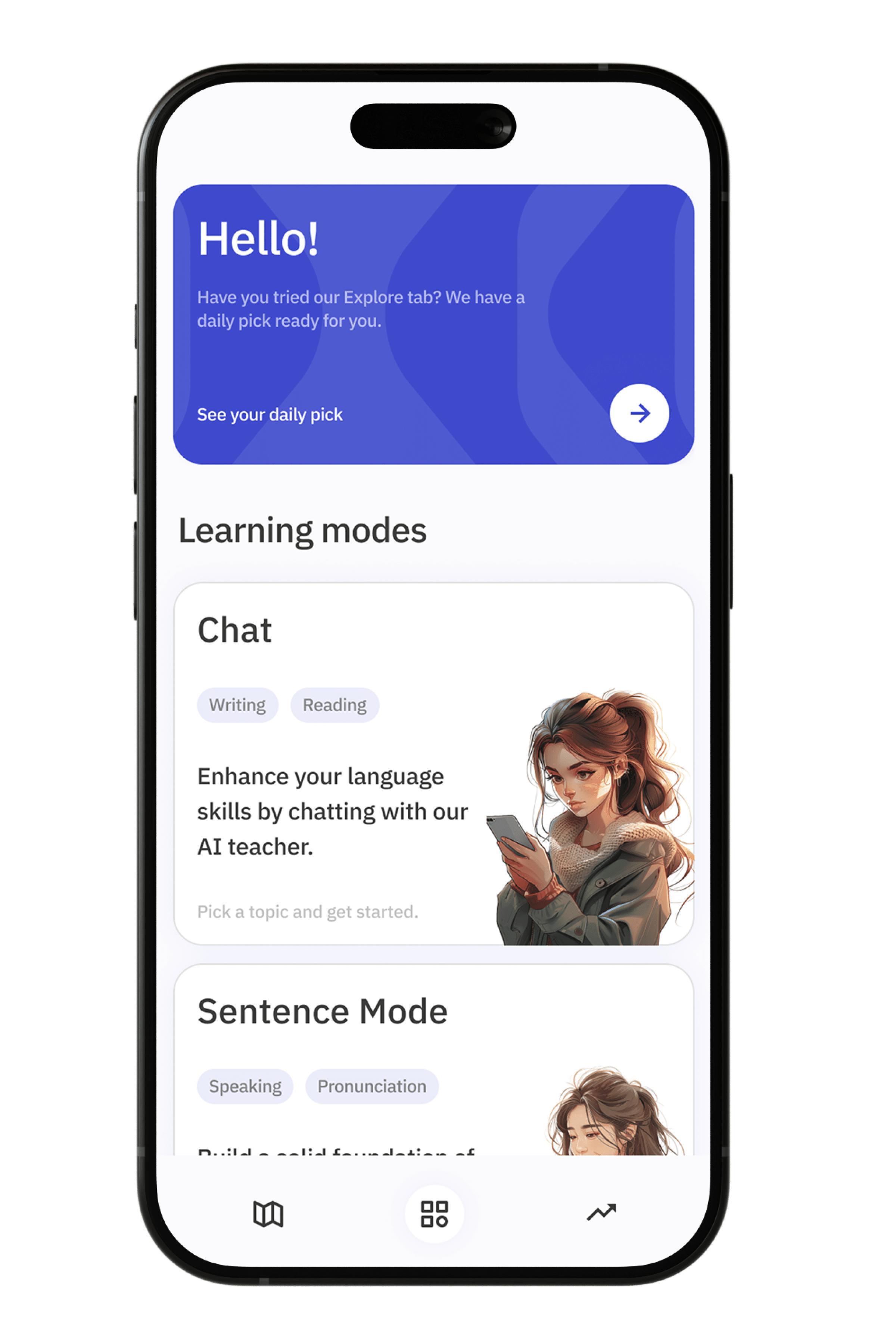
Talkpal is AI-powered language tutor. Master 50+ languages with personalized lessons and cutting-edge technology.