
Pick a language and start learning!






Verb conjugations in the present tense Exercises in Italian language

Mastering verb conjugations in the present tense is a fundamental step in learning Italian. This tense is used to describe actions that are currently happening or habitual actions, making it an essential part of daily communication. In Italian, verbs are categorized into three conjugations based on their infinitive endings: -are, -ere, and -ire. Each category follows a distinct pattern of endings for the different subject pronouns (io, tu, lui/lei, noi, voi, loro). By understanding and practicing these patterns, learners can accurately express themselves in a variety of contexts, from casual conversations to more formal situations.
Our grammar exercises are designed to reinforce your understanding of these conjugation patterns. You will encounter a variety of drills, including fill-in-the-blank sentences, translation tasks, and multiple-choice questions. These activities will help you internalize the rules and exceptions of Italian verb conjugations in the present tense. Consistent practice with these exercises will build your confidence and fluency, enabling you to use verbs correctly and naturally in your spoken and written Italian. Whether you are a beginner or looking to refine your skills, these exercises offer a comprehensive approach to mastering one of the most crucial aspects of Italian grammar.
Exercise 1
<p>1. Ogni mattina io *cammino* nel parco (verb for walking).</p>
<p>2. Lei *mangia* sempre la colazione alle sette (verb for eating).</p>
<p>3. Noi *studiamo* italiano ogni giorno (verb for learning).</p>
<p>4. Voi *giocate* a calcio dopo la scuola (verb for playing).</p>
<p>5. Loro *leggono* molti libri durante le vacanze (verb for reading).</p>
<p>6. Tu *scrivi* una lettera al tuo amico (verb for writing).</p>
<p>7. Io *ascolto* la musica mentre lavoro (verb for listening).</p>
<p>8. Lei *parla* tre lingue fluentemente (verb for speaking).</p>
<p>9. Noi *dormiamo* otto ore ogni notte (verb for sleeping).</p>
<p>10. Voi *correte* ogni mattina al parco (verb for running).</p>
Exercise 2
<p>1. Io *mangio* una mela ogni giorno (verb for eating).</p>
<p>2. Tu *parli* italiano molto bene (verb for speaking).</p>
<p>3. Lui *scrive* una lettera alla sua amica (verb for writing).</p>
<p>4. Noi *viviamo* in una piccola città (verb for living).</p>
<p>5. Voi *giocate* a calcio nel parco (verb for playing).</p>
<p>6. Loro *studiano* per l'esame di matematica (verb for studying).</p>
<p>7. Io *leggo* un libro interessante (verb for reading).</p>
<p>8. Tu *corri* ogni mattina al parco (verb for running).</p>
<p>9. Lei *dorme* fino a tardi il sabato (verb for sleeping).</p>
<p>10. Noi *andiamo* al cinema stasera (verb for going).</p>
Exercise 3
<p>1. Io *mangio* una mela ogni giorno (verb for eating).</p>
<p>2. Tu *parli* italiano molto bene (verb for speaking).</p>
<p>3. Lui *scrive* una lettera alla sua amica (verb for writing).</p>
<p>4. Noi *leggiamo* un libro interessante insieme (verb for reading).</p>
<p>5. Voi *dormite* fino a tardi la domenica (verb for sleeping).</p>
<p>6. Loro *giocano* a calcio nel parco (verb for playing).</p>
<p>7. Lei *canta* una canzone bellissima (verb for singing).</p>
<p>8. Io *studio* per l'esame di domani (verb for studying).</p>
<p>9. Tu *corri* al parco ogni mattina (verb for running).</p>
<p>10. Lui *compra* il pane fresco ogni giorno (verb for buying).</p>
Learn a Language 5x Faster with AI
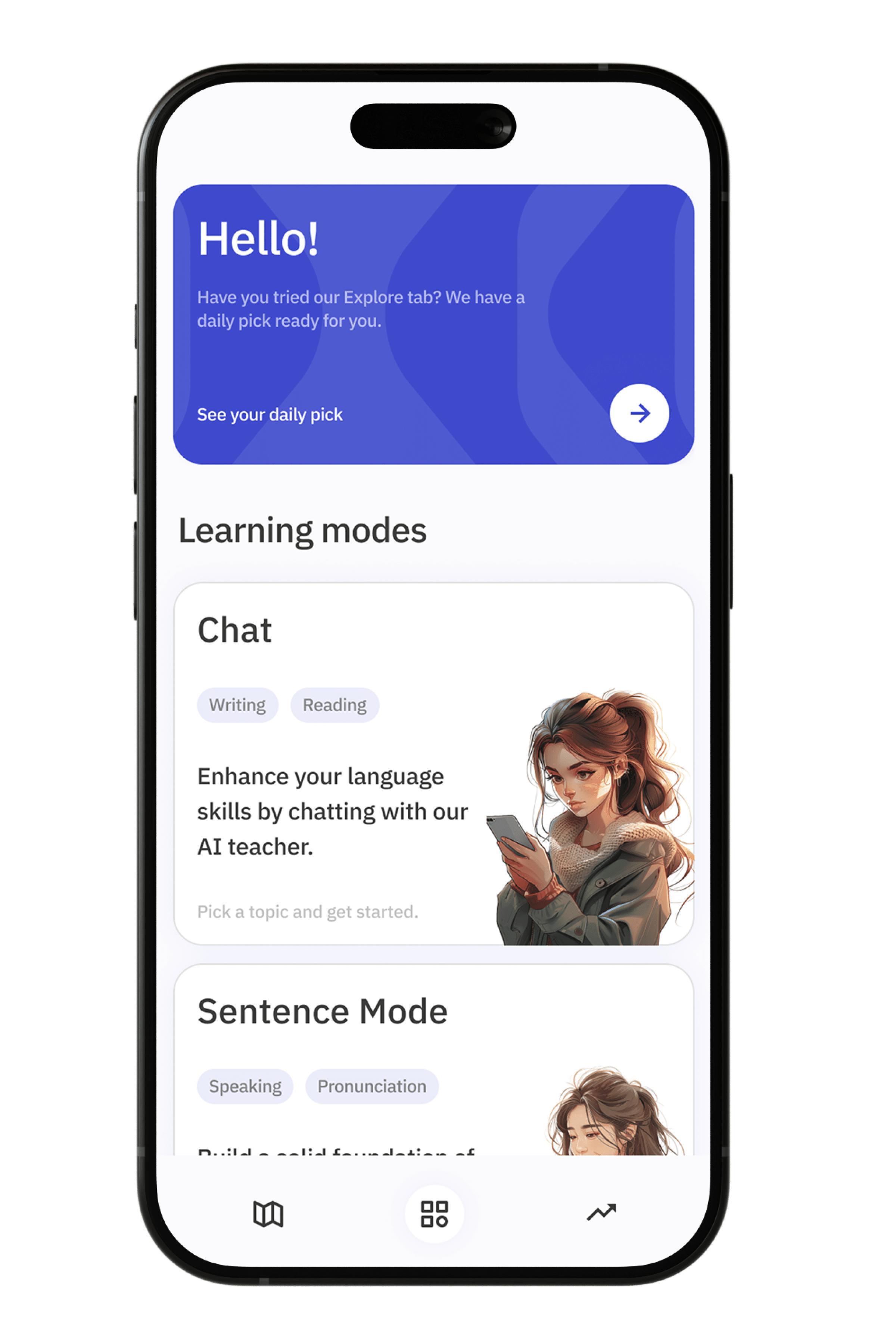
Talkpal is AI-powered language tutor. Master 50+ languages with personalized lessons and cutting-edge technology.