
Pick a language and start learning!






अभी तक चल रही क्रियाओं के लिए वर्तमान पूर्ण निरंतर अभ्यास अंग्रेजी भाषा में

वर्तमान पूर्ण निरंतर (Present Perfect Continuous) क्रिया काल एक महत्वपूर्ण व्याकरणिक संरचना है, जो किसी क्रिया के पिछले समय में शुरू होकर अभी तक चल रही स्थिति को दर्शाने के लिए उपयोग की जाती है। इस क्रिया काल का उपयोग हम तब करते हैं जब हमें यह बताना हो कि कोई कार्य या घटना कुछ समय पहले शुरू हुई और अब तक चल रही है। उदाहरण के लिए, "I have been studying for three hours" का अनुवाद होगा "मैं तीन घंटे से पढ़ाई कर रहा हूँ।" इस प्रकार की वाक्य संरचना हमें यह समझने में मदद करती है कि कार्य की अवधि और उसकी निरंतरता दोनों महत्वपूर्ण हैं।
हमारे व्याकरण अभ्यास पृष्ठ पर, आपको वर्तमान पूर्ण निरंतर क्रिया काल की पूरी जानकारी प्राप्त होगी, जिसमें इसके निर्माण, उपयोग और विभिन्न उदाहरणों के माध्यम से समझाया गया है। आप विभिन्न अभ्यासों के माध्यम से अपनी समझ को परख सकते हैं और अपनी भाषा कौशल को सुधार सकते हैं। यह पृष्ठ विशेष रूप से उन छात्रों के लिए उपयोगी है जो अंग्रेजी भाषा सीख रहे हैं और व्याकरणिक संरचना में निपुण होना चाहते हैं। यहाँ दिए गए अभ्यास न केवल आपकी व्याकरणिक समझ को बढ़ाएंगे, बल्कि आपको आत्मविश्वास के साथ अंग्रेजी बोलने और लिखने में भी मदद करेंगे।
Exercise 1
<p>1. She *has been reading* that book for hours (पढ़ना).</p>
<p>2. They *have been working* on this project since morning (काम करना).</p>
<p>3. He *has been studying* for his exams all day (पढ़ाई करना).</p>
<p>4. We *have been living* in this city for five years (रहना).</p>
<p>5. The kids *have been playing* in the park since afternoon (खेलना).</p>
<p>6. I *have been waiting* for the bus for twenty minutes (इंतजार करना).</p>
<p>7. The chef *has been cooking* dinner for the past two hours (खाना बनाना).</p>
<p>8. She *has been talking* on the phone for an hour (बात करना).</p>
<p>9. He *has been exercising* every morning for a month (व्यायाम करना).</p>
<p>10. The students *have been practicing* for the concert all week (अभ्यास करना).</p>
Exercise 2
<p>1. She has *been studying* for the exams (पढ़ाई करना).</p>
<p>2. They have *been working* on the project for three hours (काम करना).</p>
<p>3. He has *been playing* the guitar since morning (बजाना).</p>
<p>4. The children have *been watching* TV for the last two hours (देखना).</p>
<p>5. We have *been living* in this city for five years (रहना).</p>
<p>6. I have *been learning* Spanish for six months (सीखना).</p>
<p>7. She has *been cooking* dinner since 5 PM (पकाना).</p>
<p>8. They have *been building* the house for a year (बनाना).</p>
<p>9. He has *been driving* for the past hour (चालाना).</p>
<p>10. The dog has *been barking* all night (भौंकना).</p>
Exercise 3
<p>1. She *has been reading* a novel for the past two hours (क्रिया जो पढ़ने से संबंधित हो)।</p>
<p>2. They *have been playing* football since morning (क्रिया जो खेल से संबंधित हो)।</p>
<p>3. He *has been studying* for his exams all night (क्रिया जो पढ़ाई से संबंधित हो)।</p>
<p>4. We *have been waiting* for the bus for thirty minutes (क्रिया जो इंतजार से संबंधित हो)।</p>
<p>5. The children *have been swimming* in the pool since noon (क्रिया जो तैराकी से संबंधित हो)।</p>
<p>6. I *have been cooking* dinner for the last hour (क्रिया जो खाना पकाने से संबंधित हो)।</p>
<p>7. My parents *have been traveling* around Europe for the past month (क्रिया जो यात्रा से संबंधित हो)।</p>
<p>8. The dog *has been barking* at the mailman for ten minutes (क्रिया जो कुत्ते की आवाज से संबंधित हो)।</p>
<p>9. She *has been working* on her project since yesterday (क्रिया जो काम से संबंधित हो)।</p>
<p>10. We *have been living* in this house for five years (क्रिया जो निवास से संबंधित हो)।</p>
Learn a Language 5x Faster with AI
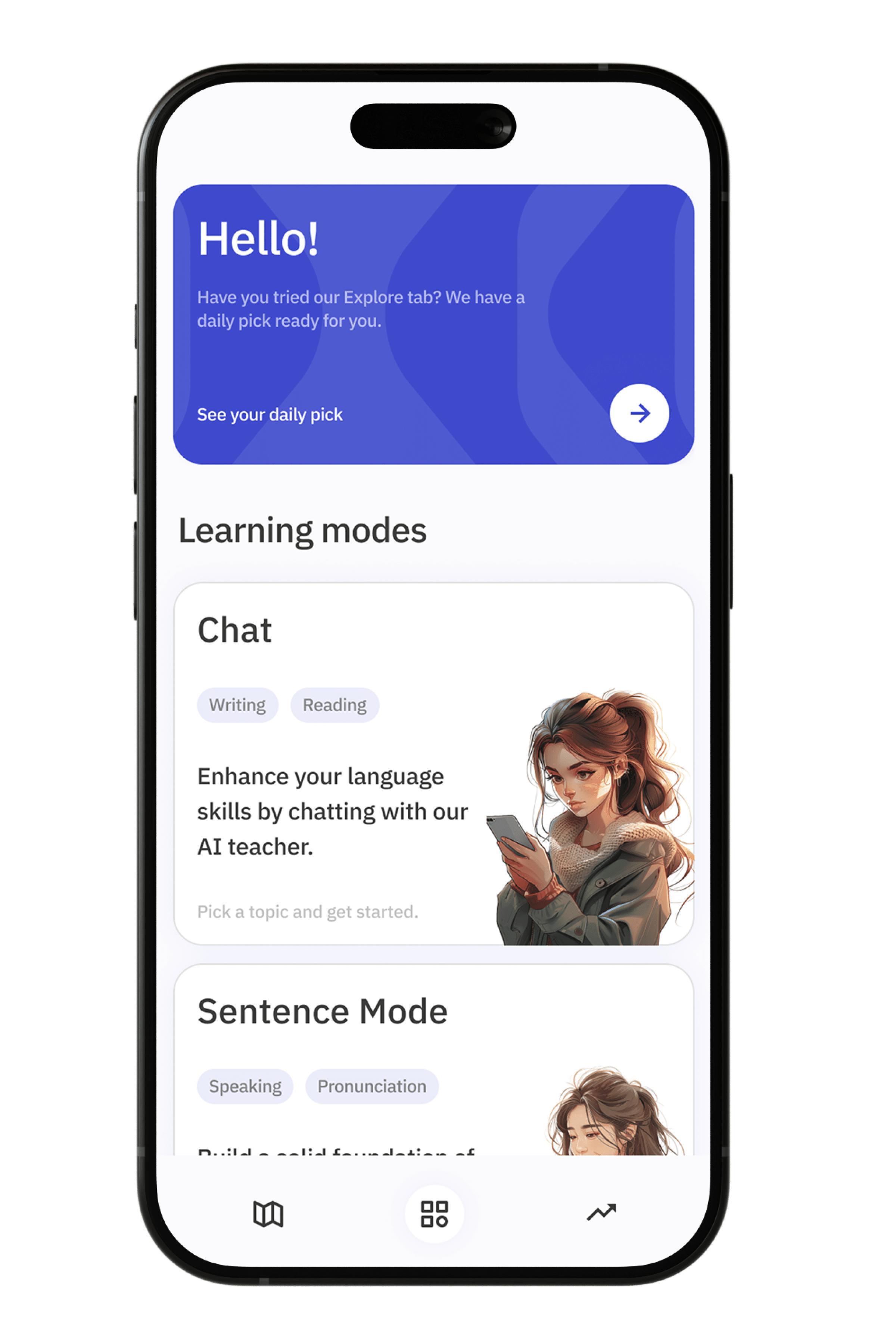
Talkpal is AI-powered language tutor. Master 50+ languages with personalized lessons and cutting-edge technology.