
Pick a language and start learning!






विरोधाभासी संयोजन अभ्यास अंग्रेजी भाषा में

विरोधाभासी संयोजन (Oxymorons) अंग्रेजी भाषा के व्याकरण में एक महत्वपूर्ण और रोचक पहलू हैं। ये संयोजन दो विपरीत या विरोधाभासी शब्दों को एक साथ जोड़कर एक नया अर्थ उत्पन्न करते हैं, जो सुनने और समझने में दिलचस्प होता है। उदाहरण के लिए, "bittersweet" या "deafening silence" जैसे शब्द अंग्रेजी में आम हैं। ये संयोजन न केवल भाषा को संजीवनी देते हैं, बल्कि हमारी सोच और समझ को भी चुनौती देते हैं। ऐसे शब्दों का सही उपयोग और अर्थ जानने से न केवल आपकी अंग्रेजी भाषा की समझ बढ़ेगी, बल्कि आप अधिक प्रभावी रूप से संवाद भी कर पाएंगे।
इस पृष्ठ पर, हम विरोधाभासी संयोजन से संबंधित विभिन्न व्याकरण अभ्यासों पर ध्यान केंद्रित करेंगे। इन अभ्यासों के माध्यम से, आप न केवल इन संयोजनों का सही उपयोग सीखेंगे, बल्कि उन्हें पहचानने और उनके साथ रचनात्मक रूप से काम करने की क्षमता भी विकसित करेंगे। प्रत्येक अभ्यास को सोच-समझकर तैयार किया गया है ताकि आप धीरे-धीरे और प्रभावी तरीके से इन संयोजनों में महारत हासिल कर सकें। तो चलिए, इन रोचक और चुनौतीपूर्ण व्याकरण अभ्यासों के माध्यम से अपनी अंग्रेजी भाषा की समझ को और भी बेहतर बनाते हैं।
Exercise 1
<p>1. She wanted to go for a walk, *but* it started raining (विरोधाभासी संयोजन).</p>
<p>2. He studied hard, *yet* he didn't pass the exam (विरोधाभासी संयोजन).</p>
<p>3. I like to read books, *although* I don't have much time (विरोधाभासी संयोजन).</p>
<p>4. The movie was long, *still* I enjoyed it (विरोधाभासी संयोजन).</p>
<p>5. She is very talented, *but* she is too shy to perform (विरोधाभासी संयोजन).</p>
<p>6. He was tired, *nevertheless* he finished his work (विरोधाभासी संयोजन).</p>
<p>7. She loves sweets, *yet* she avoids eating them (विरोधाभासी संयोजन).</p>
<p>8. I wanted to buy the dress, *but* it was too expensive (विरोधाभासी संयोजन).</p>
<p>9. He is rich, *although* he lives a simple life (विरोधाभासी संयोजन).</p>
<p>10. The weather was bad, *still* we decided to go hiking (विरोधाभासी संयोजन).</p>
Exercise 2
<p>1. Although he was *tired*, he finished his homework (वहां एक भावना के विपरीत कुछ करने की क्रिया)।</p>
<p>2. She is very intelligent, *yet* she makes simple mistakes (दो विरोधी विचारों को जोड़ने वाला शब्द)।</p>
<p>3. I wanted to go for a walk, *but* it started raining (किसी कार्य के विपरीत होने की स्थिति)।</p>
<p>4. He is rich, *still* he lives a simple life (संपत्ति और साधारण जीवन के बीच का विरोध)।</p>
<p>5. She studied hard, *however*, she didn't pass the exam (कड़ी मेहनत और असफलता के बीच का विरोध)।</p>
<p>6. We were hungry, *yet* we decided to wait for dinner (भूख और प्रतीक्षा के बीच का विरोध)।</p>
<p>7. The movie was boring, *but* I watched it till the end (फिल्म की बोरियत और अंत तक देखने के बीच का विरोध)।</p>
<p>8. He is very generous, *still*, some people criticize him (उदारता और आलोचना के बीच का विरोध)।</p>
<p>9. She was scared, *yet* she entered the dark room (डर और साहस के बीच का विरोध)।</p>
<p>10. The weather was terrible, *but* we went hiking (खराब मौसम और हाइकिंग के बीच का विरोध)।</p>
Exercise 3
<p>1. I would like to go to the party, *but* I have a lot of work to do. (विरोधाभासी संयोजन)</p>
<p>2. She is very talented, *yet* she doesn't believe in herself. (विरोधाभासी संयोजन)</p>
<p>3. He wanted to buy the car, *however* he didn't have enough money. (विरोधाभासी संयोजन)</p>
<p>4. They planned to go hiking, *but* it started raining heavily. (विरोधाभासी संयोजन)</p>
<p>5. I love traveling, *yet* I rarely get the chance to do so. (विरोधाभासी संयोजन)</p>
<p>6. She enjoys cooking, *but* she hates washing dishes. (विरोधाभासी संयोजन)</p>
<p>7. He studied hard for the test, *however* he didn't pass. (विरोधाभासी संयोजन)</p>
<p>8. I wanted to join the meeting, *but* I was feeling unwell. (विरोधाभासी संयोजन)</p>
<p>9. She is very intelligent, *yet* she often doubts her abilities. (विरोधाभासी संयोजन)</p>
<p>10. He likes to play football, *however* he injured his leg recently. (विरोधाभासी संयोजन)</p>
Learn a Language 5x Faster with AI
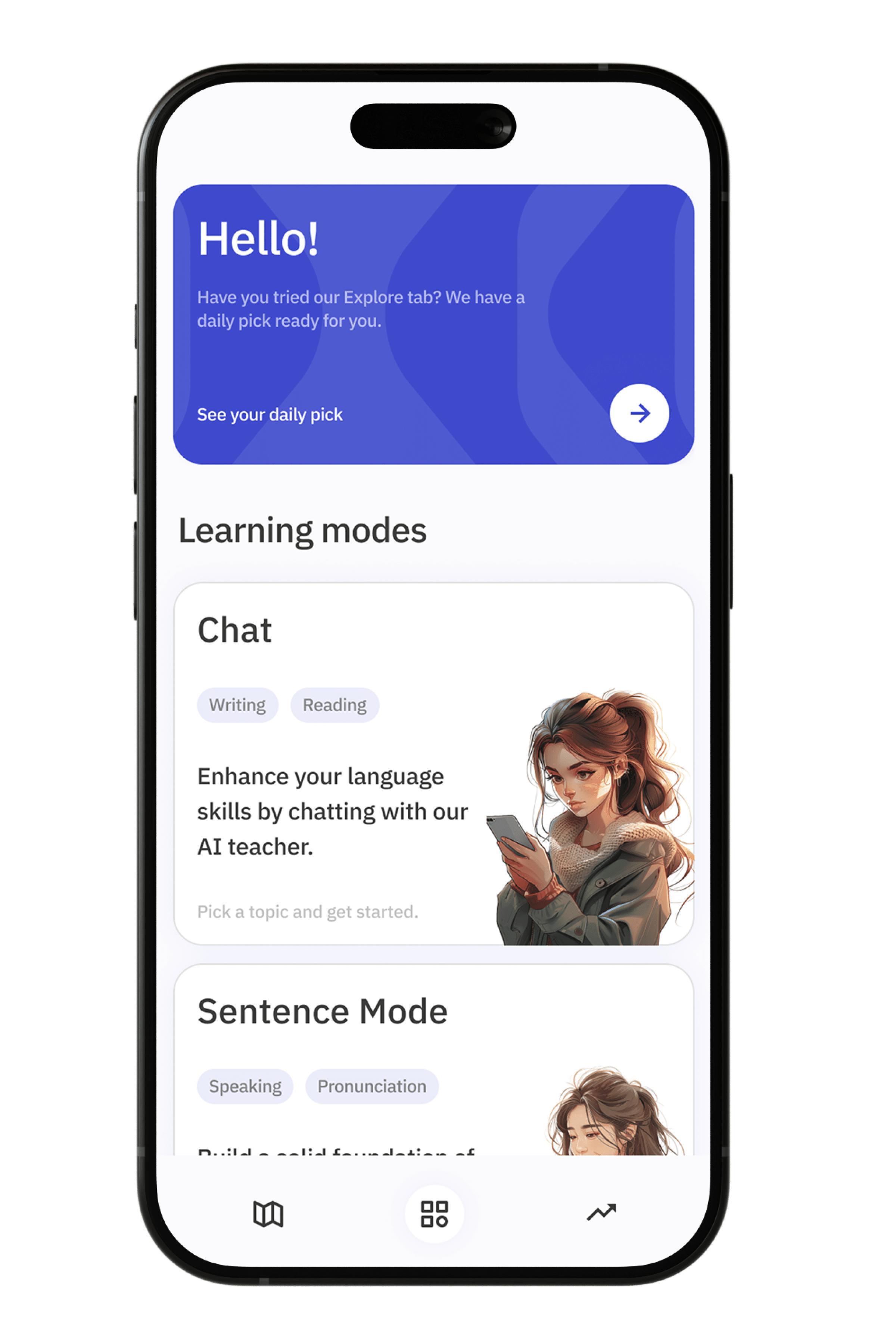
Talkpal is AI-powered language tutor. Master 50+ languages with personalized lessons and cutting-edge technology.