
Pick a language and start learning!






Presente perfetto continuo Esercizi in lingua inglese

Il Presente Perfetto Continuo è un tempo verbale usato per descrivere azioni o situazioni che sono iniziate nel passato e che continuano fino al presente, oppure che hanno una certa rilevanza per il presente. Questo tempo è particolarmente utile per enfatizzare la durata di un'azione o per indicare che un'azione recente ha effetti visibili o conseguenze attuali. Ad esempio, "I have been studying for three hours" indica che l'azione di studiare è iniziata tre ore fa e continua ancora nel momento in cui si parla.
Il Presente Perfetto Continuo si forma utilizzando il presente perfetto del verbo "to be" (have/has been) seguito dalla forma -ing del verbo principale. È importante notare che non tutti i verbi sono comunemente usati in questa forma, specialmente i verbi di stato come "to know" o "to believe". Questa sezione offre una serie di esercizi per aiutarti a padroneggiare l'uso del Presente Perfetto Continuo, migliorando la tua capacità di esprimerti in modo chiaro e accurato in inglese.
Exercise 1
<p>1. She has *been studying* for her exams all week (studiare).</p>
<p>2. We have *been working* on this project since Monday (lavorare).</p>
<p>3. They have *been traveling* around Europe for three months (viaggiare).</p>
<p>4. He has *been cooking* dinner for the past two hours (cucinare).</p>
<p>5. The children have *been playing* in the garden all afternoon (giocare).</p>
<p>6. I have *been reading* this book for a few days now (leggere).</p>
<p>7. You have *been learning* English for a long time (imparare).</p>
<p>8. We have *been waiting* for the bus for twenty minutes (aspettare).</p>
<p>9. She has *been writing* her thesis for the last month (scrivere).</p>
<p>10. They have *been watching* that TV series all weekend (guardare).</p>
Exercise 2
<p>1. She *has been studying* for hours to prepare for her exam (attività di apprendimento).</p>
<p>2. They *have been working* on this project since last month (attività professionale).</p>
<p>3. He *has been playing* the guitar for five years (strumento musicale).</p>
<p>4. We *have been living* in this house for a decade (residenza).</p>
<p>5. The children *have been playing* in the park all afternoon (attività all'aperto).</p>
<p>6. I *have been reading* this book for a week (attività di lettura).</p>
<p>7. She *has been cooking* dinner for the family (preparazione del cibo).</p>
<p>8. They *have been waiting* for the bus for over an hour (tempo di attesa).</p>
<p>9. He *has been learning* Spanish for two years (acquisizione linguistica).</p>
<p>10. We *have been cleaning* the house all morning (pulizia).</p>
Exercise 3
<p>1. She has *been studying* English for two years (studiare).</p>
<p>2. We have *been waiting* for the bus for twenty minutes (aspettare).</p>
<p>3. He has *been working* on his project all night (lavorare).</p>
<p>4. They have *been playing* football since noon (giocare).</p>
<p>5. I have *been reading* this book for a week now (leggere).</p>
<p>6. You have *been cooking* dinner for an hour (cucinare).</p>
<p>7. She has *been learning* to play the piano for a month (imparare).</p>
<p>8. We have *been cleaning* the house since morning (pulire).</p>
<p>9. He has *been running* every morning for his health (correre).</p>
<p>10. They have *been traveling* around Europe for the past year (viaggiare).</p>
Learn a Language 5x Faster with AI
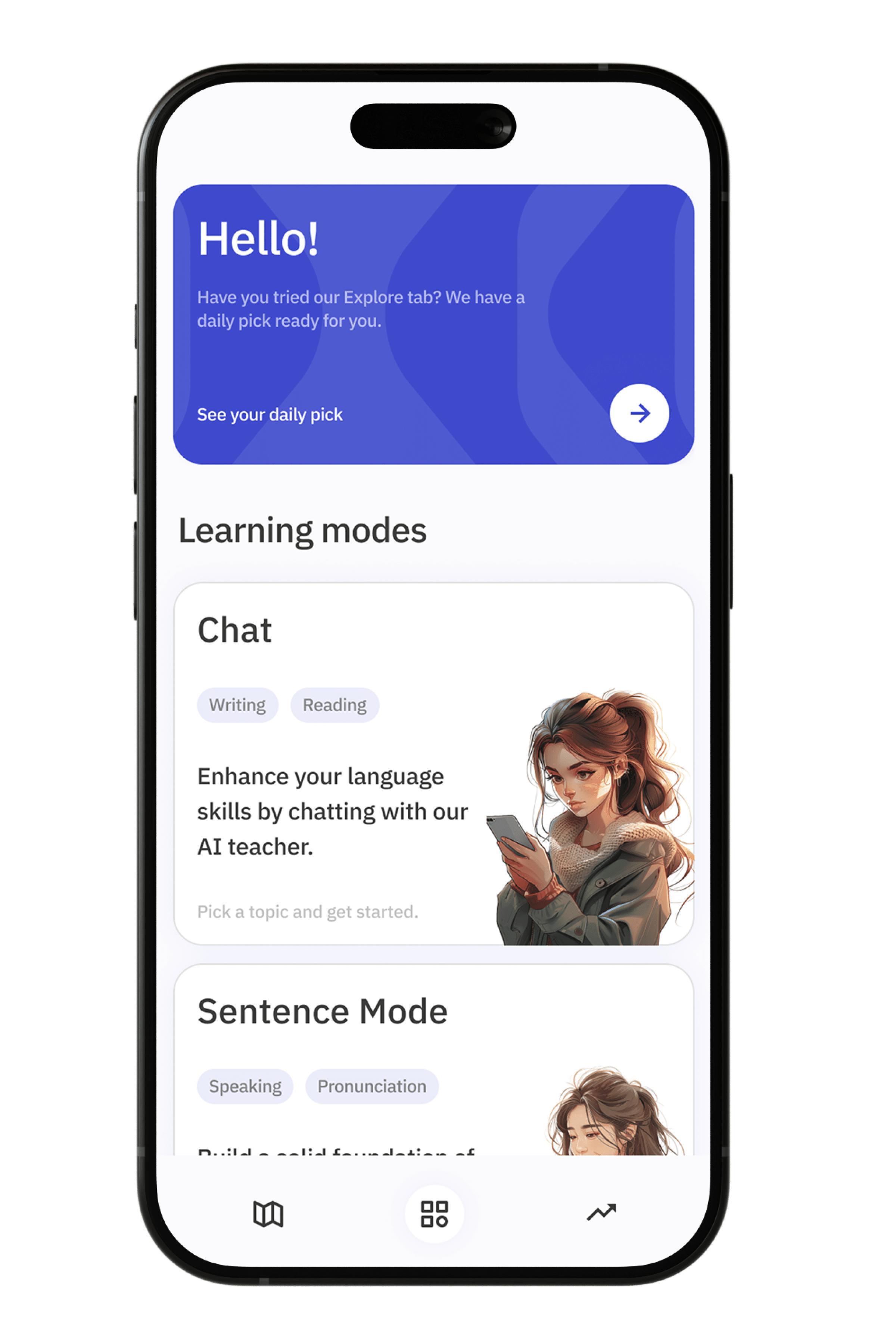
Talkpal is AI-powered language tutor. Master 50+ languages with personalized lessons and cutting-edge technology.