
Pick a language and start learning!






Congiunzioni coordinanti Esercizi in lingua inglese

Le congiunzioni coordinanti sono elementi essenziali nella costruzione di frasi complesse e articolate in italiano. Queste parole, come "e", "ma", "o", "però", e "quindi", collegano due o più elementi della frase, mantenendo lo stesso livello grammaticale e semantico. La loro funzione principale è quella di unire parole, sintagmi o proposizioni, creando un discorso fluente e coerente. Padroneggiare l'uso delle congiunzioni coordinanti non solo migliora la capacità di scrittura, ma anche la comprensione e l'espressione orale in contesti quotidiani e professionali.
Nelle prossime sezioni, troverai una serie di esercizi progettati per aiutarti a riconoscere e utilizzare correttamente le congiunzioni coordinanti. Questi esercizi ti guideranno attraverso diverse situazioni e strutture grammaticali, offrendoti l'opportunità di praticare e consolidare le tue conoscenze. Che tu sia uno studente alle prime armi o un parlante avanzato che desidera perfezionare il proprio italiano, questi esercizi ti forniranno gli strumenti necessari per migliorare la tua competenza linguistica. Preparati a esplorare le sfumature delle congiunzioni coordinanti e a scoprire come possono arricchire il tuo linguaggio quotidiano.
Exercise 1
<p>1. Maria loves to read novels, *but* she never has enough time (congiunzione avversativa).</p>
<p>2. The weather was cold, *so* we decided to stay indoors (congiunzione causale).</p>
<p>3. John wanted to go to the party, *yet* he had too much homework to do (congiunzione avversativa).</p>
<p>4. I need to buy some groceries, *and* I should also pick up the dry cleaning (congiunzione copulativa).</p>
<p>5. She can either take the bus, *or* she can walk to work (congiunzione disgiuntiva).</p>
<p>6. He was tired, *for* he had been working all day (congiunzione causale).</p>
<p>7. She didn’t study for the exam, *nor* did she complete her assignments (congiunzione negativa).</p>
<p>8. We went to the beach, *but* it started raining shortly after (congiunzione avversativa).</p>
<p>9. You can have tea, *or* you can have coffee (congiunzione disgiuntiva).</p>
<p>10. He is both talented, *and* hardworking (congiunzione copulativa).</p>
Exercise 2
<p>1. She wanted to go to the movies, *but* she had too much homework (congiunzione avversativa).</p>
<p>2. I like both pizza *and* pasta (congiunzione copulativa).</p>
<p>3. He didn't study for the exam, *so* he failed (congiunzione conclusiva).</p>
<p>4. You can choose to stay home *or* go out with your friends (congiunzione disgiuntiva).</p>
<p>5. We were tired, *yet* we continued walking (congiunzione avversativa).</p>
<p>6. She was happy, *for* she received good news (congiunzione causale).</p>
<p>7. I don't like horror movies, *nor* do I enjoy thrillers (congiunzione copulativa negativa).</p>
<p>8. He went to the store *and* bought some groceries (congiunzione copulativa).</p>
<p>9. She can neither dance *nor* sing (congiunzione copulativa negativa).</p>
<p>10. It was raining, *so* we stayed inside (congiunzione conclusiva).</p>
Exercise 3
<p>1. She can either have tea *or* coffee (alternativa).</p>
<p>2. I wanted to go out, *but* it started raining (contrasto).</p>
<p>3. He didn't study, *so* he failed the exam (conseguenza).</p>
<p>4. You can choose to travel by train *or* by bus (alternativa).</p>
<p>5. I love to read books, *and* I also enjoy writing (aggiunta).</p>
<p>6. They were tired, *yet* they continued working (contrasto).</p>
<p>7. We must hurry, *for* the show starts in ten minutes (motivo).</p>
<p>8. I wanted to call you, *but* I forgot my phone at home (contrasto).</p>
<p>9. She likes to swim *and* to play tennis (aggiunta).</p>
<p>10. The dog barked loudly, *so* the neighbors complained (conseguenza).</p>
Learn a Language 5x Faster with AI
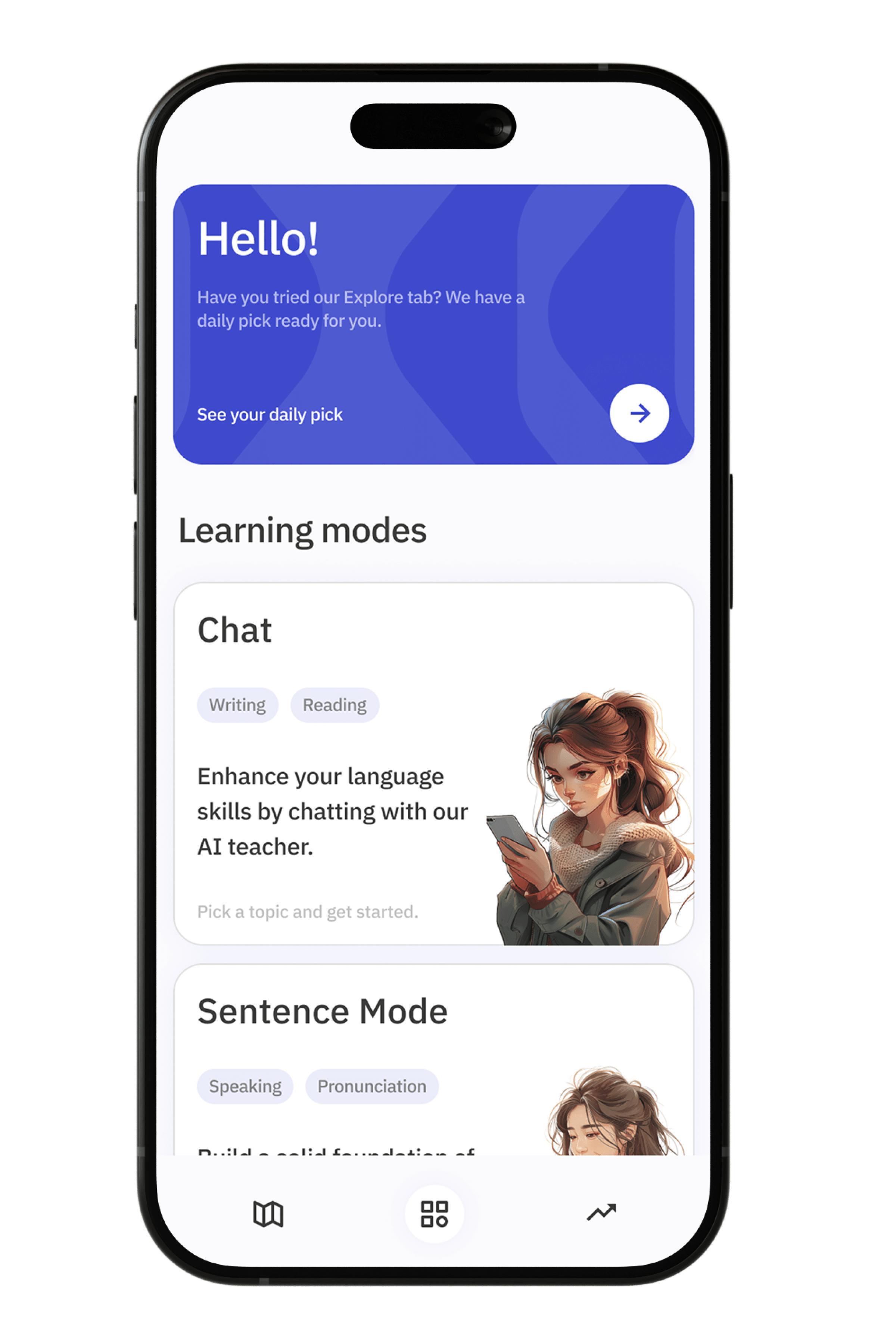
Talkpal is AI-powered language tutor. Master 50+ languages with personalized lessons and cutting-edge technology.