
Pick a language and start learning!






Futuro perfetto per azioni completate prima di un tempo futuro Esercizi in lingua inglese

Il futuro perfetto in inglese (Future Perfect) è un tempo verbale che si utilizza per indicare azioni che saranno completate prima di un momento specifico nel futuro. Questo aspetto temporale è particolarmente utile per creare una sequenza logica di eventi e per esprimere con precisione quando un'azione sarà già conclusa. Ad esempio, nella frase "By the time you arrive, I will have finished my homework" (Quando arriverai, avrò finito i compiti), l'uso del futuro perfetto sottolinea che l'azione di finire i compiti sarà completata prima dell'arrivo della persona.
Per padroneggiare il futuro perfetto, è essenziale comprendere la sua struttura e le sue particolarità. La forma del futuro perfetto si costruisce con il futuro semplice del verbo "to have" (will have) seguito dal participio passato del verbo principale. Le nostre esercitazioni interattive ti aiuteranno a familiarizzare con questa costruzione e a usarla correttamente in diversi contesti. Attraverso una serie di esercizi, potrai praticare la formazione di frasi e migliorare la tua capacità di esprimere chiaramente azioni completate prima di un momento futuro specifico.
Exercise 1
<p>1. By this time next year, she *will have finished* her degree (completare).</p>
<p>2. We *will have moved* into our new house by the end of the month (traslocare).</p>
<p>3. They *will have written* the report before the deadline (scrivere).</p>
<p>4. He *will have learned* to play the guitar by the time he turns 18 (imparare).</p>
<p>5. By tomorrow morning, I *will have cleaned* the entire house (pulire).</p>
<p>6. The team *will have completed* the project before the meeting (completare).</p>
<p>7. She *will have traveled* to three different countries by the end of this year (viaggiare).</p>
<p>8. We *will have finished* the book by the time the class ends (finire).</p>
<p>9. He *will have saved* enough money to buy a car by next summer (risparmiare).</p>
<p>10. By the time the train arrives, they *will have waited* for two hours (aspettare).</p>
Exercise 2
<p>1. By next Friday, they *will have finished* the project (completare il progetto).</p>
<p>2. By the time you arrive, we *will have already eaten* dinner (già mangiato la cena).</p>
<p>3. She *will have graduated* by next year (laurearsi).</p>
<p>4. They *will have moved* to a new house by the end of the month (trasferirsi).</p>
<p>5. By the time he gets home, we *will have cleaned* the entire house (pulire tutta la casa).</p>
<p>6. By tomorrow morning, the sun *will have risen* (sorgere).</p>
<p>7. By the time you read this, I *will have left* the city (partire dalla città).</p>
<p>8. He *will have saved* enough money by the end of the year (risparmiare abbastanza soldi).</p>
<p>9. By next summer, they *will have visited* all the museums in the city (visitare tutti i musei).</p>
<p>10. By the time we meet again, she *will have learned* how to drive (imparare a guidare).</p>
Exercise 3
<p>1. By the time you arrive, we *will have finished* the meeting (completare il meeting).</p>
<p>2. She *will have written* the report by tomorrow morning (scrivere il rapporto).</p>
<p>3. They *will have left* for the airport before you get home (partire per l'aeroporto).</p>
<p>4. By next year, he *will have completed* his degree (completare la laurea).</p>
<p>5. We *will have eaten* dinner by the time you call (mangiare la cena).</p>
<p>6. You *will have read* the book by the end of the week (leggere il libro).</p>
<p>7. By the time the movie starts, I *will have arrived* at the theater (arrivare al cinema).</p>
<p>8. The builders *will have finished* the house by December (finire la casa).</p>
<p>9. She *will have learned* to drive by the end of the summer (imparare a guidare).</p>
<p>10. He *will have solved* the problem before the deadline (risolvere il problema).</p>
Learn a Language 5x Faster with AI
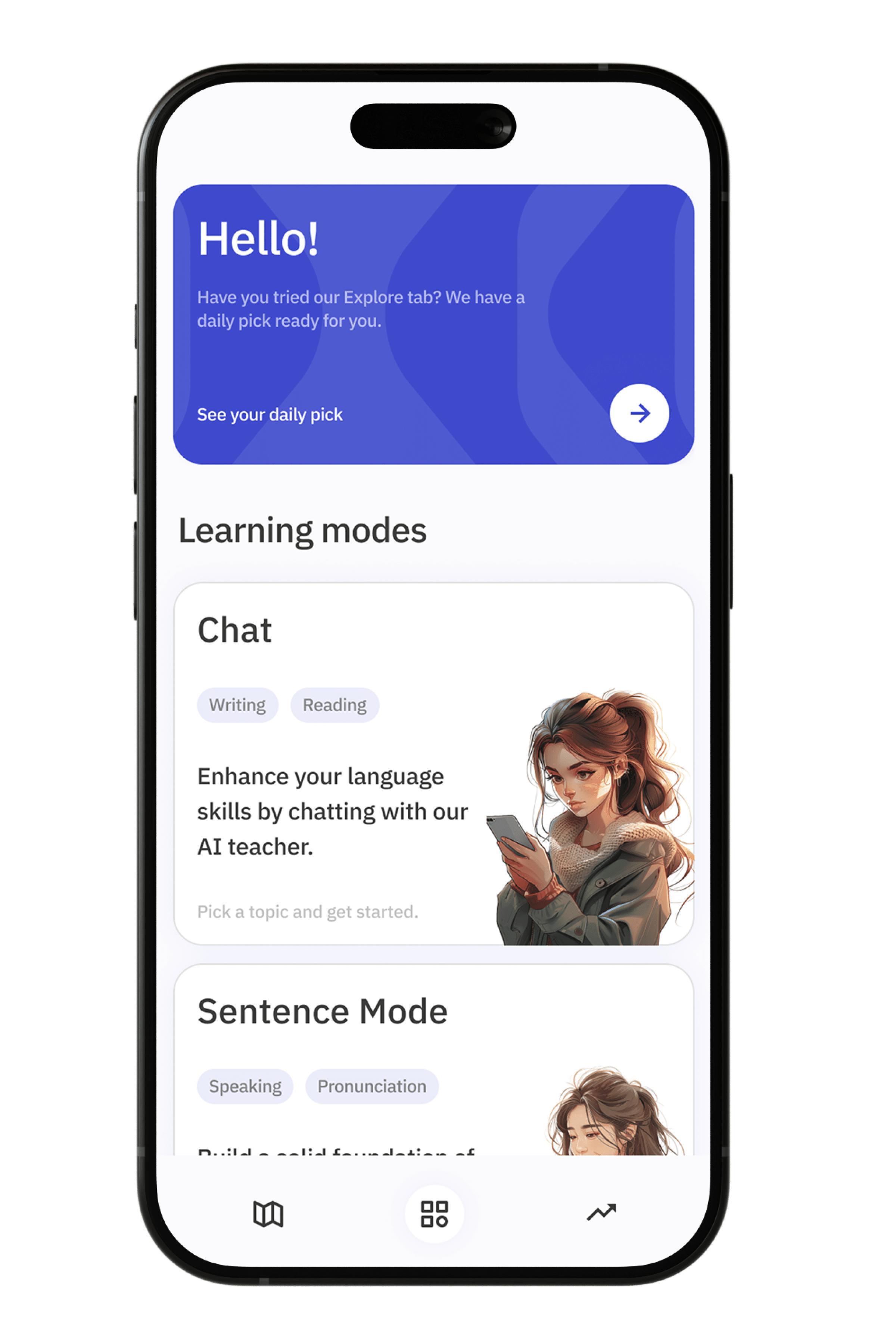
Talkpal is AI-powered language tutor. Master 50+ languages with personalized lessons and cutting-edge technology.