
Pick a language and start learning!






Presente perfetto continuo per azioni che avvengono fino ad ora Esercizi in lingua inglese

Il presente perfetto continuo è una forma verbale essenziale per esprimere azioni che sono iniziate nel passato e che continuano fino al presente. In inglese, viene spesso utilizzato per descrivere attività che hanno una durata significativa e che sono ancora rilevanti o in corso nel momento attuale. Ad esempio, "I have been studying English for three years" indica che l'azione di studiare è iniziata tre anni fa e continua ancora oggi. Questo tempo verbale si forma combinando il presente perfetto del verbo "to have" (have/has) con il participio presente del verbo principale (forma -ing).
L'uso corretto del presente perfetto continuo può migliorare notevolmente la vostra abilità di comunicazione in inglese, permettendovi di esprimere in modo chiaro e preciso le vostre esperienze e attività recenti. In questa sezione, troverete una serie di esercizi progettati per aiutarvi a padroneggiare questa forma verbale. Gli esercizi vi guideranno attraverso diversi scenari e contesti, fornendo esempi pratici e opportunità di pratica per consolidare la vostra comprensione e utilizzo del presente perfetto continuo.
Exercise 1
<p>1. Maria *has been studying* for her exams all week (studiare).</p>
<p>2. John *has been working* on his project since Monday (lavorare).</p>
<p>3. They *have been living* in that house for ten years (vivere).</p>
<p>4. We *have been waiting* for the bus for an hour (aspettare).</p>
<p>5. She *has been practicing* the piano every day (praticare).</p>
<p>6. The children *have been playing* outside since this morning (giocare).</p>
<p>7. He *has been reading* that book for a month (leggere).</p>
<p>8. You *have been learning* Italian for three years (imparare).</p>
<p>9. The dog *has been barking* for the past two hours (abbaiare).</p>
<p>10. I *have been cooking* dinner since 5 PM (cucinare).</p>
Exercise 2
<p>1. She *has been studying* for her exams all day (studiare per gli esami).</p>
<p>2. They *have been working* on this project since morning (lavorare su un progetto).</p>
<p>3. He *has been running* every morning to stay fit (correre per mantenersi in forma).</p>
<p>4. We *have been waiting* for the bus for over an hour (aspettare l'autobus).</p>
<p>5. You *have been reading* that book for weeks now (leggere un libro).</p>
<p>6. The children *have been playing* in the park since noon (giocare nel parco).</p>
<p>7. I *have been writing* emails all day long (scrivere email).</p>
<p>8. She *has been cooking* dinner for the last two hours (cucinare la cena).</p>
<p>9. They *have been practicing* the piano for three hours (praticare il pianoforte).</p>
<p>10. He *has been painting* the house since the morning (dipingere la casa).</p>
Exercise 3
<p>1. She has *been studying* for her exams all week (studiare).</p>
<p>2. They have *been waiting* for the bus for over an hour (aspettare).</p>
<p>3. John has *been working* on his project since this morning (lavorare).</p>
<p>4. We have *been living* in this city for five years (vivere).</p>
<p>5. I have *been reading* this book for the past two days (leggere).</p>
<p>6. The children have *been playing* outside since noon (giocare).</p>
<p>7. She has *been learning* Spanish for three months (imparare).</p>
<p>8. They have *been discussing* the issue for hours (discutere).</p>
<p>9. He has *been cooking* dinner since 5 PM (cucinare).</p>
<p>10. I have *been feeling* sick all day (sentirsi).</p>
Learn a Language 5x Faster with AI
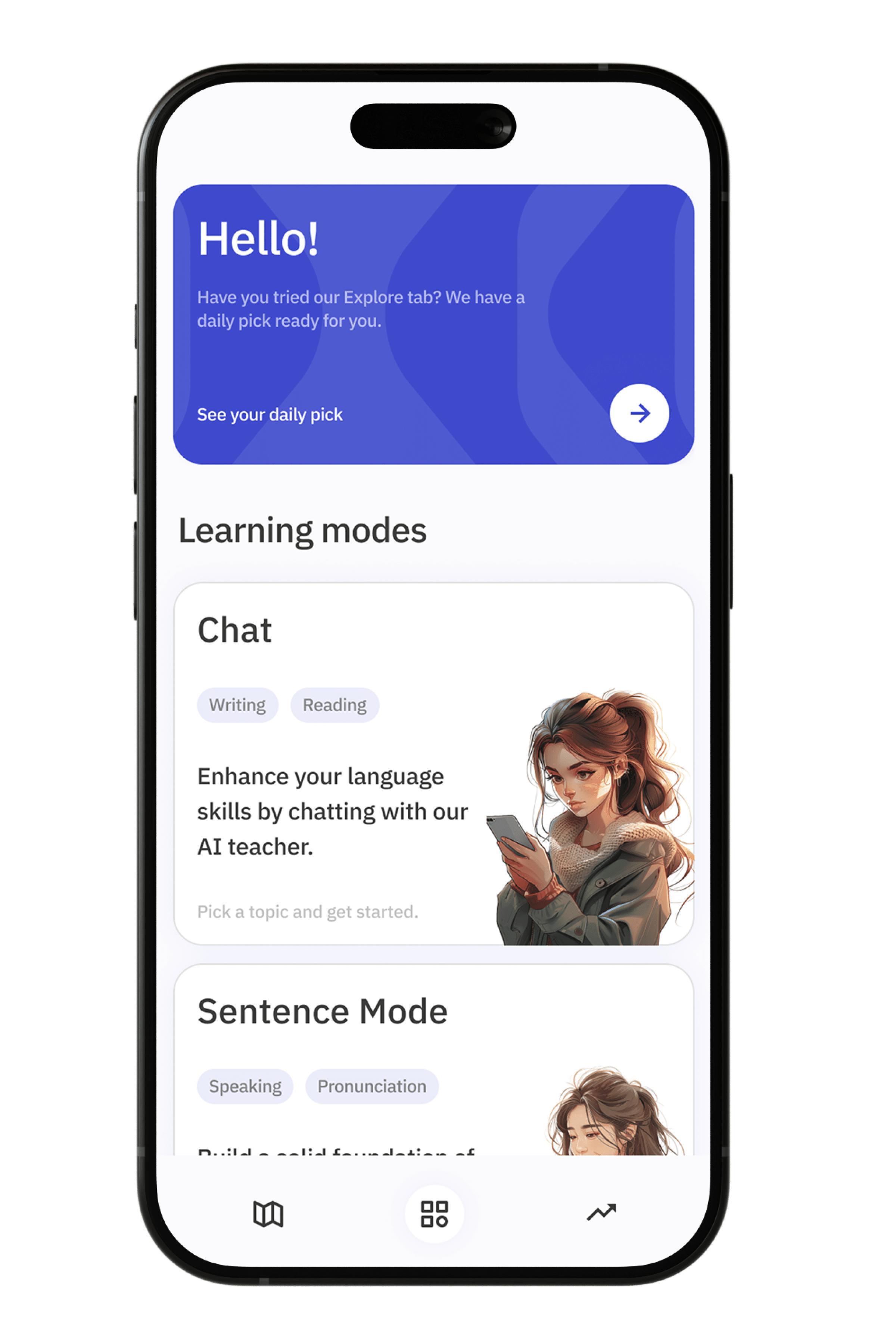
Talkpal is AI-powered language tutor. Master 50+ languages with personalized lessons and cutting-edge technology.